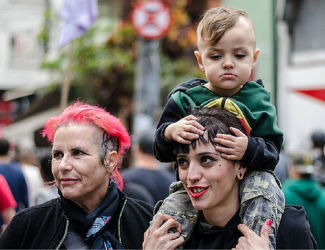
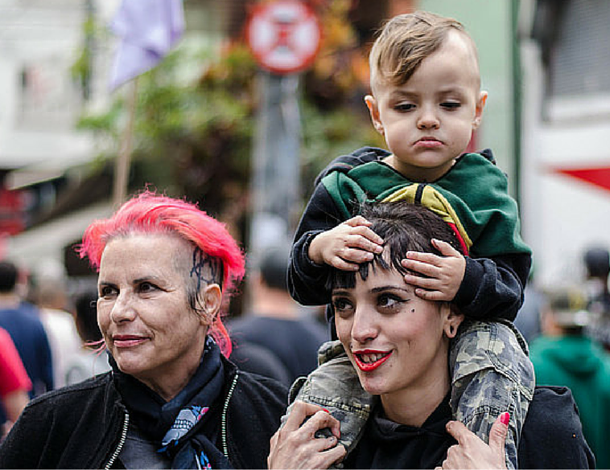
Flickr/Leonardo Veras (CC BY 2.0)

Protection of the Family

The Issue

Over the past few years, a troubling new trend at the international human rights level is being observed, where discourses on ‘protecting the family’ are being employed to defend violations committed against family members, to bolster and justify impunity, and to restrict equal rights within and to family life.

The campaign to "Protect the Family" is driven by ultra-conservative efforts to impose "traditional" and patriarchal interpretations of the family, and to move rights out of the hands of family members and into the institution of ‘the family’.

“Protection of the Family” efforts stem from:

  • rising traditionalism,
  • rising cultural, social and religious conservatism and
  • sentiment hostile to women’s human rights, sexual rights, child rights and the rights of persons with non-normative gender identities and sexual orientations.

Since 2014, a group of states have been operating as a bloc in human rights spaces under the name “Group of Friends of the Family”, and resolutions on “Protection of the Family” have been successfully passed every year since 2014.

This agenda has spread beyond the Human Rights Council. We have seen regressive language on “the family” being introduced at the Commission on the Status of Women, and attempts made to introduce it in negotiations on the Sustainable Development Goals.


Our Approach

AWID works with partners and allies to jointly resist “Protection of the Family” and other regressive agendas, and to uphold the universality of human rights.

In response to the increased influence of regressive actors in human rights spaces, AWID joined allies to form the Observatory on the Universality of Rights (OURs).  OURs is a collaborative project that monitors, analyzes, and shares information on anti-rights initiatives like  “Protection of the Family”.

Rights at Risk, the first OURs report, charts a map of the actors making up the global anti-rights lobby, identifies their key discourses and strategies, and the effect they are having on our human rights.   

The report outlines “Protection of the Family” as an agenda that has fostered collaboration across a broad range of regressive actors at the UN.  It describes it as: “a strategic framework that houses “multiple patriarchal and anti-rights positions, where the framework, in turn, aims to justify and institutionalize these positions.”


Related Content

WITM - Refreshed INFOGRAPHIC 1 EN

Ever wondered what budgets for feminist organizations look like?

In 2023, feminist and women's rights organizations had a median annual budget of USD 22,000. Behind that median lies disparity and inequality: while a few groups access large-scale resources, the vast majority survive on shoestring budgets. 
A closer look at actual budgets reveals major income diversity and inequality.

Explore the data on the size of feminist budgets 

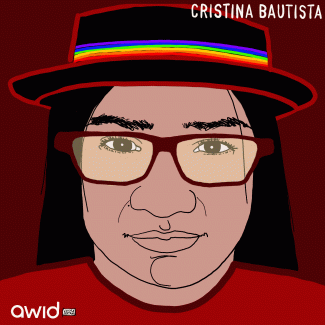
Cristina Bautista

“If we stay quiet they kill us and if we talk [they kill us] too. So, let’s talk.” -  Cristina Bautista, 2019

Cristina Bautista was a member of the Nasa Indigenous people’s community whose home is situated in the region of Northern Cauca, Colombia. She was part of their resistance as a leader, land rights defender, social worker, and governor of the Nasa Tacueyó Indigenous reserve. 

A tireless defender of the rights of Nasa people, Cristina spoke strongly and loudly against the violence directed at her community. In a speech before the United Nations, she called for the protection of Indigenous women’s lives and their involvement in different spheres of life. In 2017, Cristina was a UN Human Rights Office Indigenous fellow and she was awarded a grant from the UN Voluntary Fund for Indigenous Peoples in 2019. 

“I would like to bring to light the current situation of the Indigenous people in Colombia, the killing of Indigenous leaders, the repression of social protest. Instead of helping, the peace deal has increased war and the exploitation of sacred territories in Colombia… In the current situation, in almost all Indigenous nations as women we have been working to find a better future for our families. I don’t want more women from the countryside to continue living under these circumstances. We need opportunities for Indigenous women to participate in politics, in the economy, in society and in culture. Today gives me true strength, to see all these women here and that I am not alone.” - Cristina Bautista, 2019

On 29 October 2019, Cristina was murdered along with four unarmed Indigenous guards in an attack which was allegedly carried out by armed members of “Dagoberto Ramos”, a FARC dissident group. 

According to Global Witness, “the murder of community and social leaders has risen dramatically in Colombia in recent years.” 

“The Nasa community has repeatedly raised the alarm with the authorities about threats to their safety. Despite efforts by successive Colombian Governments, indigenous peoples continue to face great risks, especially religious or community leaders like Cristina Bautista.” - UN press briefing, 1 November 2019


Watch a speech by Cristina Bautista in August 2019 in which she denounced previous murders of Indigenous guards (Spanish only)
Salir del clóset en el momento culminante de mi vida: El Foro de Feminismos Negros

Portada para Salir del clóset en el momento culminante de mi vida: El Foro de Feminismos Negros


Muchxs participantes experimentan los Foros de AWID como un singular espacio de libertad, donde son acogidxs y celebradxs tal como son. En un mundo donde incluso lxs feministas más privilegiadxs a menudo encuentran que no encajan del todo, para aquellas personas cuyas identidades son criminalizadas o de alguna manera condenadas en sus contextos cotidianos esta experiencia de libertad y celebración puede ser profundamente transformadora (y reparadora). La historia de cómo OluTimehin Kukoyi (que participaba por primera vez) vivió el Foro de Feminismos Negros y el Foro de AWID de Bahía (2016) ilustra esto con mucha potencia.

Descarga esta historia


En su propia voz: mira la entrevista con OluTimehin


Conoce todas las historias Descarga el reporte completo

Je suis un bailleur de fonds ou un donateur individuel. Comment puis-je soutenir le Forum de l'AWID ?

Nous vous invitons à prendre contact avec nous pour trouver des moyens d’apporter un soutien significatif au Forum.

Snippet Kohl - Panel: Pleasure Across Borders

Panel Pleasure Across Borders

with Lindiwe Rasekoala, Lizzie Kiama, Jovana Drodevic, and Malaka Grant.

YOUTUBE | SOUNDCLOUD

Snippet - COP30 Intro - ES

Súmate al movimiento feminista abocado a recuperar la acción por el clima del control corporativo

Con 1773 cabilderos de los combustibles fósiles presentes en la COP29 del año pasado, nos dirigimos, junto con otres feministas a Belém (Brasil) del 10 al 21 de noviembre de 2025. Allí continuaremos denunciando las soluciones falsas, llamando la atención sobre la captura corporativa, y exigiendo que los Estados cumplan sus compromisos bajo las Responsabilidades Comunes pero Diferenciadas y las Capacidades Respectivas (en inglés) para impulsar las alternativas económicas feministas.

USD 2,7 billones para gasto militar. USD 300.000 millones para la justicia climática. Estamos aquí para dar vuelta el relato.

Acciones Nodos Herramientas

Sigue la campaña

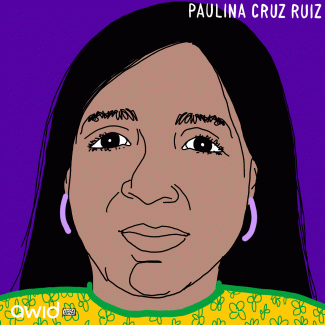
Paulina Cruz Ruiz

Paulina Cruz Ruiz, de la región de Rabinal, Baja Verapaz, en Guatemala, fue una autoridad ancestral Maya Achí (Indígena) y una defensora de los derechos humanos. Paulina se involucró activamente en la organización comunitaria y la resistencia, lo cual incluyó la adopción de medidas legales contra los proyectos mineros en territorios Indígenas, proyectos que afectarían y perjudicarían severamente el tejido socio ambiental. 

"El modelo de industria extractiva promovido por el gobierno guatemalteco y la construcción de proyectos de desarrollo a gran escala en tierras indígenas, sin el consentimiento de la comunidad afectada, ha sido una fuente de disputas permanentes con los movimientos de resistencia". - Minority Rights Group International

Paulina también formó parte de la Marcha por la Dignidad, la Vida y la Justicia, del 1º de mayo de 2019, en la cual miles de guatemaltecxs iniciaron una marcha de ocho días contra la corrupción y la impunidad en la persecución y el asesinato de dirigentes de derechos humanos, líderes campesinxs e indígenas y defensorxs de la tierra. 

Paulina fue asesinada el 14 de septiembre de 2019 cerca de su casa en la aldea de Xococ.

Según el Grupo Internacional de Derechos de las Minorías: "actualmente, uno de los principales problemas que afectan a las comunidades mayas es la creciente actividad de la industria minera".


Para leer más sobre la comunidad Maya en Guatemala

Para leer más sobre la Marcha por la Dignidad, la Vida y la Justicia

Donation Success


Thank you for taking a step further to change the world!

Your generous contribution will help us support feminist movements across the globe working to achieve gender justice and women’s human rights worldwide.

You can also support our work as an AWID Member. Find out how here.

CFA 2023 - Hybrid like never before: in person - ES

Híbrido como nunca antes

Por primera vez, el Foro de AWID ofrece tres modos de participación:

Participación presencial

Lxs participantes se reunirán en Bangkok, Tailandia. ¡No podemos esperar!

Crear | Résister | Transform:  un recorrido por el Festival - smaller snippet

Ghiwa-Sayegh - un recorrido por el festival

Crear | Résister | Transform: 
un recorrido por el Festival

Mientras el capitalismo heteropatriarcal continúa forzándonos al consumismo y el acatamiento, observamos que nuestras luchas están siendo compartimentadas y separadas por fronteras tanto físicas como virtuales.

Leer más

Snippet - COP30 - International Eco-Socialist Encounter - ES

Encuentro Ecosocialista Internacional

Paneles, talleres, plenarias y espacios de intercambio entre colectivos, activistas y organizaciones que luchamos para recorrer de forma colectiva el camino hacia una agenda y un programa de lucha por el ecosocialismo.

📅 8 - 11 de noviembre de 2025
📍 Buenos Aires, Argentina

Regístrate aquí

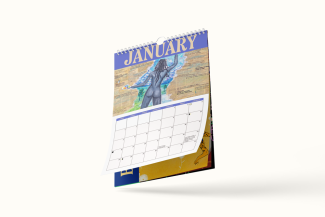
Calendario Feminista AWID 2026

Considera este calendario como un obsequio, que te llega a ti y a 9500 afiliades de nuestra comunidad feminista mundial. Un obsequio de esperanza, conexiones renovadas, acción y comunidad en un momento de inmensas injusticias y violencias.

Que estas historias te recuerden que a través de las fronteras y a lo largo de las luchas, somos muches, somos fuertes y, en conjunto, construimos los mundos que merecemos.

Descárgalo aquí, en tu idioma preferido.

Español
Français
English
Português
عربي
Русский

CFA 2023 - Call for Activities is live- ES

¡Comienza la Convocatoria para Actividades!

La fecha límite para proponer actividades se extiende hasta el 1ero de Febrero de 2024.


En el espíritu del tema del Foro, invitamos a proponer una diversidad de tópicos y formatos para actividades que: 

  • Faciliten la conexión e interacción genuina entre lxs participantes;
  • Promuevan la sanación y regeneración de distintas formas, como personas individuales, comunidades y movimientos;
  • Nos inspiren y desafíen para florecer juntxs como comunidades y movimientos.

#1 - Sexting like a feminist Tweets Snippet ES

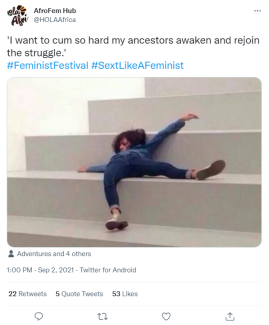
Y mi número 1: porque sabes que la cosa va en serio cuando se invoca a los poderes superiores

Image of a tweet with a woman fainted on a set of stairs. Text says: I want to cum so hard my ancestors awaken and rejoin the struggle.

‘Quiero acabar/venirme/correrme tan fuerte que despierte a mis ancestrxs y haga que vuelvan a sumarse a la lucha’

AWID en 2014: Fortaleciendo la organización de las mujeres por sus derechos en todo el mundo

Snippet - COP30 - Resistance Hubs Section Column 2 - FR

Les partenaires suivantes organisent les pôles de la COP30 :

  1. Caribbean Feminist Climate Justice Movement, Barbade
  2. Gender Interactive Alliance (GIA)*, Pakistan
  3. Women’s Initiative for Sustainable Environment (WISE)*, Nigéria
  4. Réseau des Acteurs du Développement Durable (RADD), Cameroun
  5. MASIPAG*, Philippines

*Sites web en anglais

Advancing Universal Rights and Justice

Uprooting Fascisms and Fundamentalisms

Across the globe, feminist, women’s rights and gender justice defenders are challenging the agendas of fascist and fundamentalist actors. These oppressive forces target women, persons who are non-conforming in their gender identity, expression and/or sexual orientation, and other oppressed communities.


Discriminatory ideologies are undermining and co-opting our human rights systems and standards,  with the aim of making rights the preserve of only certain groups. In the face of this, the Advancing Universal Rights and Justice (AURJ) initiative promotes the universality of rights - the foundational principle that human rights belong to everyone, no matter who they are, without exception.

We create space for feminist, women’s rights and gender justice movements and allies to recognize, strategize and take collective action to counter the influence and impact of anti-rights actors. We also seek to advance women’s rights and feminist frameworks, norms and proposals, and to protect and promote the universality of rights.


Our actions

Through this initiative, we:

  • Build knowledge: We support feminist, women’s rights and gender justice movements by disseminating and popularizing knowledge and key messages about anti-rights actors, their strategies, and impact in the international human rights systems through AWID’s leadership role in the collaborative platform, the Observatory on the Universality of Rights (OURs)*.
  • Advance feminist agendas: We ally ourselves with partners in international human rights spaces including, the Human Rights Council, the Commission on Population and Development, the Commission on the Status of Women and the UN General Assembly.
  • Create and amplify alternatives: We engage with our members to ensure that international commitments, resolutions and norms reflect and are fed back into organizing in other spaces locally, nationally and regionally.
  • Mobilize solidarity action: We take action alongside women human rights defenders (WHRDs) including trans and intersex defenders and young feminists, working to challenge fundamentalisms and fascisms and call attention to situations of risk.  


Related Content