Análisis Especiales

AWID es un organización feminista internacional de membresía, que brinda apoyo a los movimientos que trabajan para lograr la justicia de género y los derechos de las mujeres en todo el mundo.

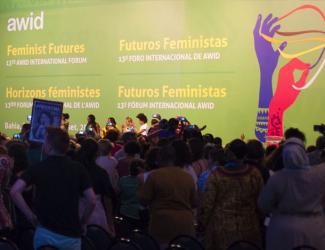
Foro de AWID: Co-creando futuros feministas

En septiembre de 2016, 1800 feministas y activistas por los derechos de las mujeres de todos los rincones de nuestros movimientos se congregaron en las costas de Bahia, en el 13º Foro Internacional de AWID.

En esta sección se destacan los logros, los aprendizajes y los recursos que surgieron de las ricas conversaciones mantenidas. Te invitamos a analizar, compartir y comentar.


¿Qué ha pasado desde 2016?

Uno de los aportes más importantes del Foro fue la necesidad de ampliar y profundizar nuestro trabajo entre movimientos, frente a la confluencia de los fascismos en auge, fundamentalismos, codicia corporativa y cambio climático.

Con esto en mente, AWID, en asociación con múltiples aliadxs, ha estado trabajando para que estas semillas de resistencia:

AWID se ha comprometido, mediante su próximo plan estratégico y su proceso del Foro, a continuar y profundizar las relaciones, las lecciones y los procesos iniciados en el Foro 2016 y basándonos en el momento actual.

¿Que pasa ahora?

El mundo es un lugar muy diferente de lo que era un año atrás, y seguirá cambiando en los próximos años.

El próximo Foro de AWID se realizará en la región del Pacífico Asiático (el lugar y la fecha exactos serán anunciados en 2018). Esperamos que te unas a nosotrxs.

Sobre el Foro de AWID

Los Foros de AWID comenzaron en 1983 en Washington DC. Desde entonces, el evento ha crecido hasta convertirse en muchas cosas para muchas personas: un proceso iterativo para darle forma a nuestros análisis, objetivos y acciones; un hito crucial que fortalece los feminismos de lxs participantes e infunde energías a sus procesos de organización; un hogar político donde lxs defensoras de derechos humanos encuentran un santuario y solidaridad.

Más información sobre los Foros anteriores

Contenido relacionado

Snippet - WITM FAQ - ES

Preguntas frecuentes

Mars 2015: publication de la version zéro du document final

Publication de la version zéro du document final, mars 2015

  • La version zéro du document final (en anglais – datée du 16 mars), préparée par les co-facilitateurs, a été soumise à discussion pendant la seconde session de rédaction qui s’est tenue du 13 au 17 avril 2015.
  • Pendant la session inaugurale, le WWG a insisté sur la nécessité de mentionner, dans la version zéro, les ressources qui seraient spécifiquement consacrées à l’égalité des genres et à l’autonomisation des femmes, comme cela avait été prévu dans le Consensus de Monterrey et la Déclaration de Doha.

Snippet FEA A Caring Economy (EN)

A CARING

ECONOMY

Feminists Centering Care in the Economy:
A Cross-Movement Dialogue

What if we reimagined ways of caring for our communities?

What if the economy was not about someone else’s profit but about care for our individual and collective wellbeing? These stories are about building communities of care with and for people who are historically and presently excluded, disenfranchised and dehumanized by both state and society. These are the stories of feminists centering care in the economy.

Marielle Franco

Marielle was a Brazilian politician, feminist, lesbian and human rights activist.

Marielle was an outspoken critic of police brutality and extrajudicial killings. Her openly feminist, Black and favela-centered politics were a source of hope for marginalized groups in Rio de Janeiro, currently governed by a conservative city government and an evangelical mayor.

On March 14, 2018, after delivering a speech in Rio de Janeiro, Franco and her driver were shot multiple times and killed. Following news of her death crowds took to the streets shouting "Marielle presente!" (Marielle is here!) and demanding justice be done.

Read more about Marielle and the situation in Brazil
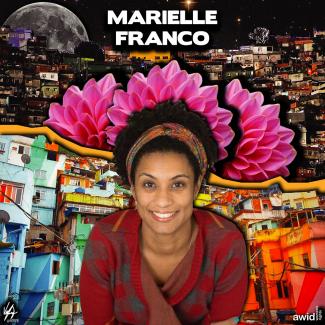


Marielle Franco, Brasil

Snippet - WITM to claim - RU

Чтобы заявить о себе как об эксперте по вопросам ресурсного обеспечения феминистских движений

What is at stake for women’s rights?

Development financing has specific threats and opportunities for women's and all people’s human rights. Transformative development financing and policies can make an important contribution to the systemic changes that are needed to ensure the respect, protection and fulfillment of women’s human rights.

2015 is an important year for the FfD process. The Third International Conference on FfD took place from 13-16 July 2015 in Addis Ababa, Ethiopia and governments are finalising the post-2015 development agenda including agreements on how the new Sustainable Development Goals will be financed. 

The current stage of the FfD process is an important opportunity to establish a financing framework that will ensure effective financing for the implementation of the post 2015 agenda and the Sustainable Development Goals (SDGs). It is also an opportunity to address the structural conditions, and systemic changes needed, for the full implementation of other agendas and commitments such as Human Rights Conventions, and the Beijing Platform for Action.

Over the last 13 years, women’s rights and feminist organizations have actively engaged in the FfD process.

Snippet FEA Carmen Silva (ES)

Ocupação 9 de Julho

Cuando lleguen al centro de São Paulo, verán el edificio de la Ocupação 9 de Julho, un sitio prominente en la lucha por la vivienda social y un importante espacio cultural. Este es el trabajo del Movimiento de Trabajadores Sin Hogar (Movimento dos Sem-Teto do Centro, MSTC), un movimiento de más de 2000 personas que actúa en el centro de la ciudad y convierte espacios abandonados en viviendas para trabajadorxs de bajos ingresos, niñxs, mujeres, adultos, ancianxs, migrantes y refugiadxs. En este edificio en particular, brindan comida y albergue a 122 familias.

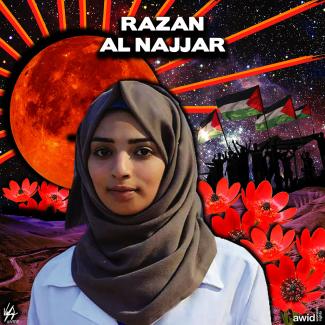
Razan Al-Najar

Razan era una médica voluntaria de 21 años en Palestina.

Le dispararon cuando corría hacia un muro fronterizo fortificado, en un intento por llegar hasta una persona herida en el este de la ciudad de Khan Younis, en el sur de Gaza.

En su última publicación en Facebook, Razan dijo: «Estoy volviendo y no retirándome», y añadió: «Denme con sus balas, no tengo miedo».


Razan Al-Najjar, Palestine

Snippet - WITM Why now_col 2 - RU

Обеспечение ресурсами феминистских движений имеет основополагающее значение для обеспечения более справедливого и мирного настоящего и свободного будущего.

За последнее десятилетие спонсоры выделили значительно больше средств на обеспечение гендерного равенства, однако лишь 1% средств, выделенных на благотворительность и развитие был направлен непосредственно на поддержку социальных изменений, проводимых под руководством феминисток.
В солидарности с движениями, которые по-прежнему остаются невидимыми, маргинализированными и не имеют доступа к основному, долгосрочному, гибкому и основанному на доверии финансированию, данный опрос освещает фактическое состояние ресурсного обеспечения, выявляет ошибочные решения и указывает на то, как необходимо изменить модели финансирования, чтобы движения процветали и решали сложные задачи современного мира.

什麼時候/如何提交會議場次提案?

論壇活動提案現已截止。

我們於2019年11月19日開放論壇活動提案,提案的截止日期是2020年2月14日。

認識其他參與論壇的方法 (In English)

Snippet FEA NORTH CAUCA Left (FR)

CAUCA DU NORD, COLOMBIE

Asociación de Mujeres Afrodescendientes del Norte del Cauca (ASOM)


NOUS MÉRITONS

PLUS!

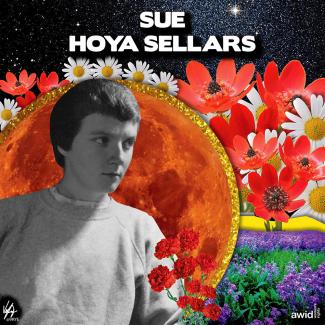
Sue Hoya Sellars

Née en 1936 dans le Maryland aux États-Unis, Sue était artiste, activiste et enseignante.

Son art était destiné aux femmes et parlait des femmes. En tant que féministe lesbienne, pendant un temps séparatiste, elle s'est engagée à créer des espaces réservés aux femmes. En 1976, elle a acheté un terrain qui est toujours géré par des femmes qui y séjournent pour créer de l'art. Sue a pris une position farouche sur la question de la protection des femmes et des filles.

Avec son approche révolutionnaire, futuriste et anthropologique, elle remplissait chaque pièce dans laquelle elle entrait avec une intelligence et une excentricité authentiques, ainsi qu’un humour et un esprit impitoyable. Ses idées sur la conscience et la créativité continuent à inspirer beaucoup de gens.


Sue Hoya Sellars, USA

Snippet - WITM Acknowledgements - RU

Слова благодарности

AWID выражает признательность всем тем, чьи идеи, аналитические работы и вклад в развитие легли в основу исследования «Где деньги?» и его дальнейшей адвокации.

Прежде всего, мы выражаем глубочайшую благодарность членам AWID и активисткам(-там), которые участвовали в консультациях, и провели этот опрос вместе с нами, щедро поделившись своим временем, аналитикой и теплом.

Мы выражаем признательность феминистским движениям, союзницам(-кам) и феминистским фондам, включая (но не ограничиваясь ими) Black Feminist Fund, Pacific Feminist Fund, ASTRAEA Lesbian Foundation for Justice, FRIDA Young Feminist Fund, Purposeful, Kosovo Women’s Network, Human Rights Funders Network, Dalan Fund and PROSPERA International Network of Women's Funds , за ваше тщательное исследование состояния ресурсного обеспечения, вдумчивый анализ и постоянную адвокацию для достижения более объемного и эффективного финансирования для феминистских организаций и движений за гендерную справедливость во всех контекстах.

Присоединяйтесь к глобальному феминистскому сообществу, которое освещает состояние ресурсного обеспечения, требуя большего финансирования и влияния для феминисток(-ов) во всем мире

Snippet FEA ASOM’s activists in encounters (EN)

 
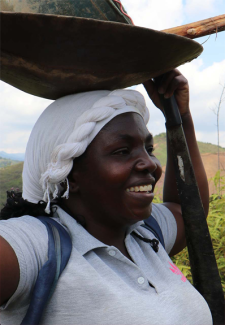
Black woman in a white headscarf and gray t-shirt, she is smiling and is holding a vessel above her head
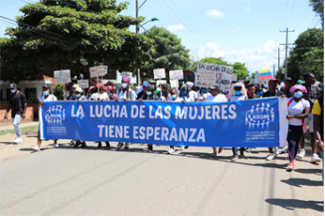
People demonstrating and holding a long blue poster
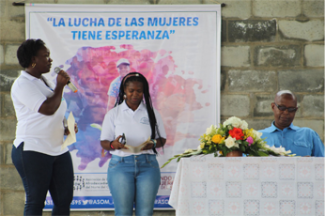
Black woman speaking in a mic, there is a black girl standing next to her and a man sitting at the table
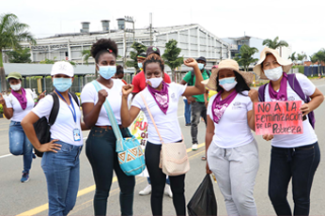
Photo of five black women in the front on a demonstration, wearing facemasks and holding posters
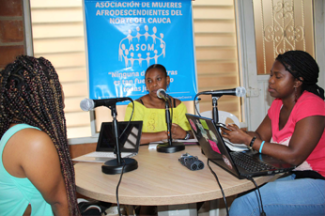
Photo of three women sitting around the table and talking in mics.

ASOM’s activists in encounters, parades and events

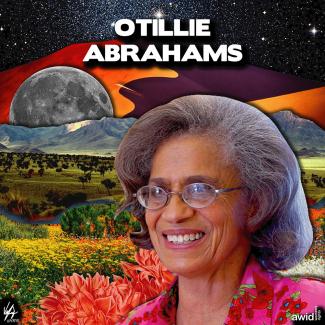
Ottilie Abrahams

Ottilie was a Namibian feminist activist, educator and politician.

Ottilie was one of the founders of the South West African People's Organisation (SWAPO), the Yu Chi Chan Club (an armed revolutionary group); and the South West African National Liberation Front (SWANLIF). She was also a founder of the Namibian Women’s Association and Girl Child Project.

Throughout her life, Ottilie argued for the right to argue, think, contest, and demand. She mobilized women, organized students and teachers and criticized other comrades for their elitism and their corruption.

Ottilie worked ferociously to dismantle patriarchy, and to create a concrete transformative, liberatory, feminist participatory democracy.

Ottilie often said: “I will rest the day I die.”


Ottilie Abrahams, Namibia