UN Women / Flickr (CC BY-NC-ND 2.0)
Guatemala - Rural Women Diversify Incomes and Build Resilience
Left
Half
Left

Priority Areas

Supporting feminist, women’s rights and gender justice movements to thrive, to be a driving force in challenging systems of oppression, and to co-create feminist realities.

Building Feminist Economies

Building Feminist Economies is about creating a world with clean air to breath and water to drink, with meaningful labour and care for ourselves and our communities, where we can all enjoy our economic, sexual and political autonomy.


In the world we live in today, the economy continues to rely on women’s unpaid and undervalued care work for the profit of others. The pursuit of “growth” only expands extractivism - a model of development based on massive extraction and exploitation of natural resources that keeps destroying people and planet while concentrating wealth in the hands of global elites. Meanwhile, access to healthcare, education, a decent wage and social security is becoming a privilege to few. This economic model sits upon white supremacy, colonialism and patriarchy.

Adopting solely a “women’s economic empowerment approach” is merely to integrate women deeper into this system. It may be a temporary means of survival. We need to plant the seeds to make another world possible while we tear down the walls of the existing one.


We believe in the ability of feminist movements to work for change with broad alliances across social movements. By amplifying feminist proposals and visions, we aim to build new paradigms of just economies.

Our approach must be interconnected and intersectional, because sexual and bodily autonomy will not be possible until each and every one of us enjoys economic rights and independence. We aim to work with those who resist and counter the global rise of the conservative right and religious fundamentalisms as no just economy is possible until we shake the foundations of the current system.


Our Actions

Our work challenges the system from within and exposes its fundamental injustices:

  • Advance feminist agendas: We counter corporate power and impunity for human rights abuses by working with allies to ensure that we put forward feminist, women’s rights and gender justice perspectives in policy spaces. For example, learn more about our work on the future international legally binding instrument on “transnational corporations and other business enterprises with respect to human rights” at the United Nations Human Rights Council.

  • Mobilize solidarity actions: We work to strengthen the links between feminist and tax justice movements, including reclaiming the public resources lost through illicit financial flows (IFFs) to ensure social and gender justice.

  • Build knowledge: We provide women human rights defenders (WHRDs) with strategic information vital to challenge corporate power and extractivism. We will contribute to build the knowledge about local and global financing and investment mechanisms fuelling extractivism.

  • Create and amplify alternatives: We engage and mobilize our members and movements in visioning feminist economies and sharing feminist knowledges, practices and agendas for economic justice.


“The corporate revolution will collapse if we refuse to buy what they are selling – their ideas, their version of history, their wars, their weapons, their notion of inevitability. Another world is not only possible, she is on her way. On a quiet day, I can hear her breathing”.

Arundhati Roy, War Talk

Related Content

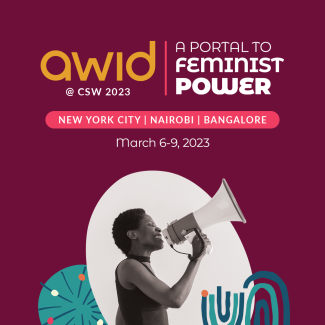
AWID at CSW67: a Portal to Feminist Power

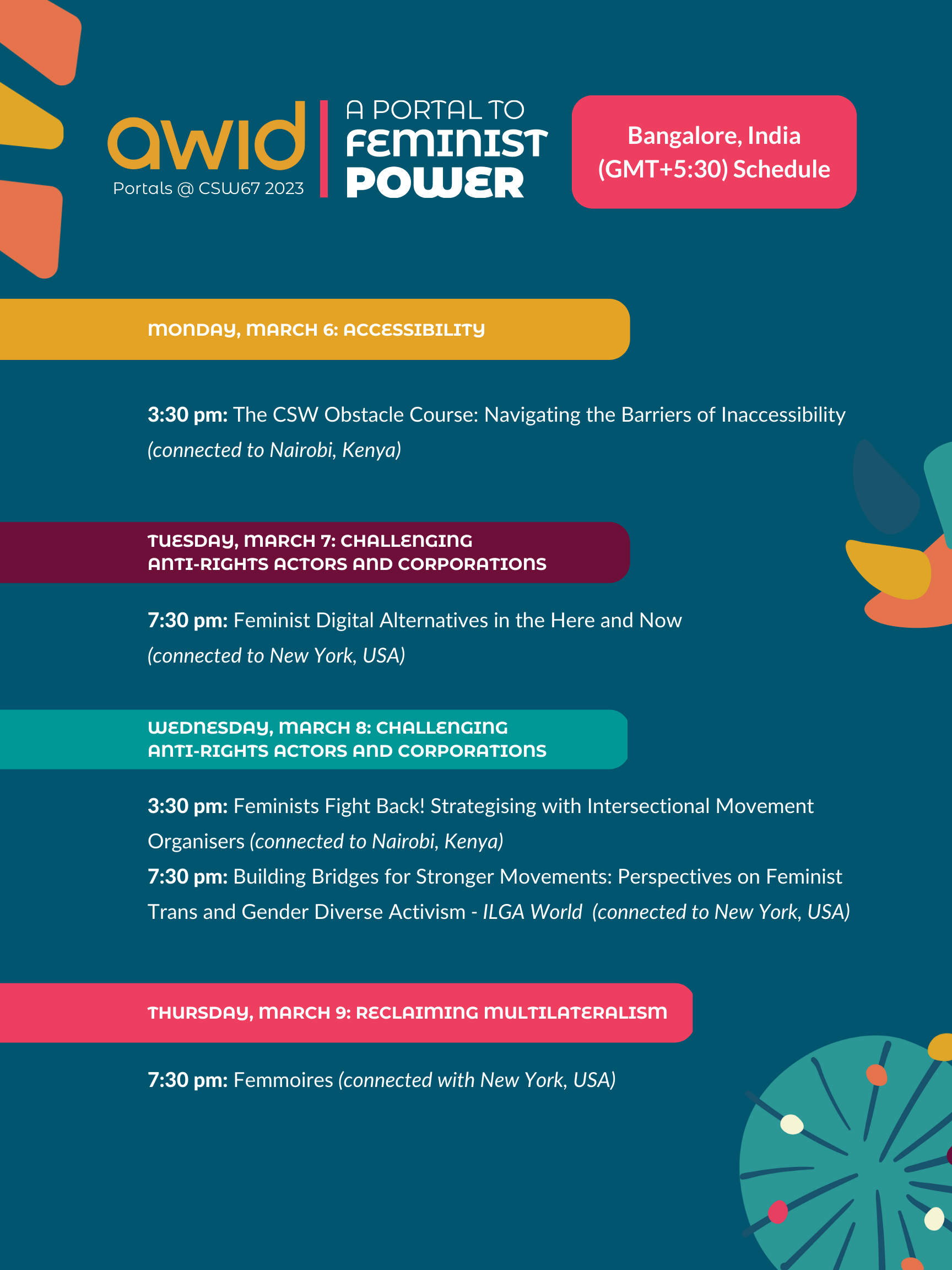
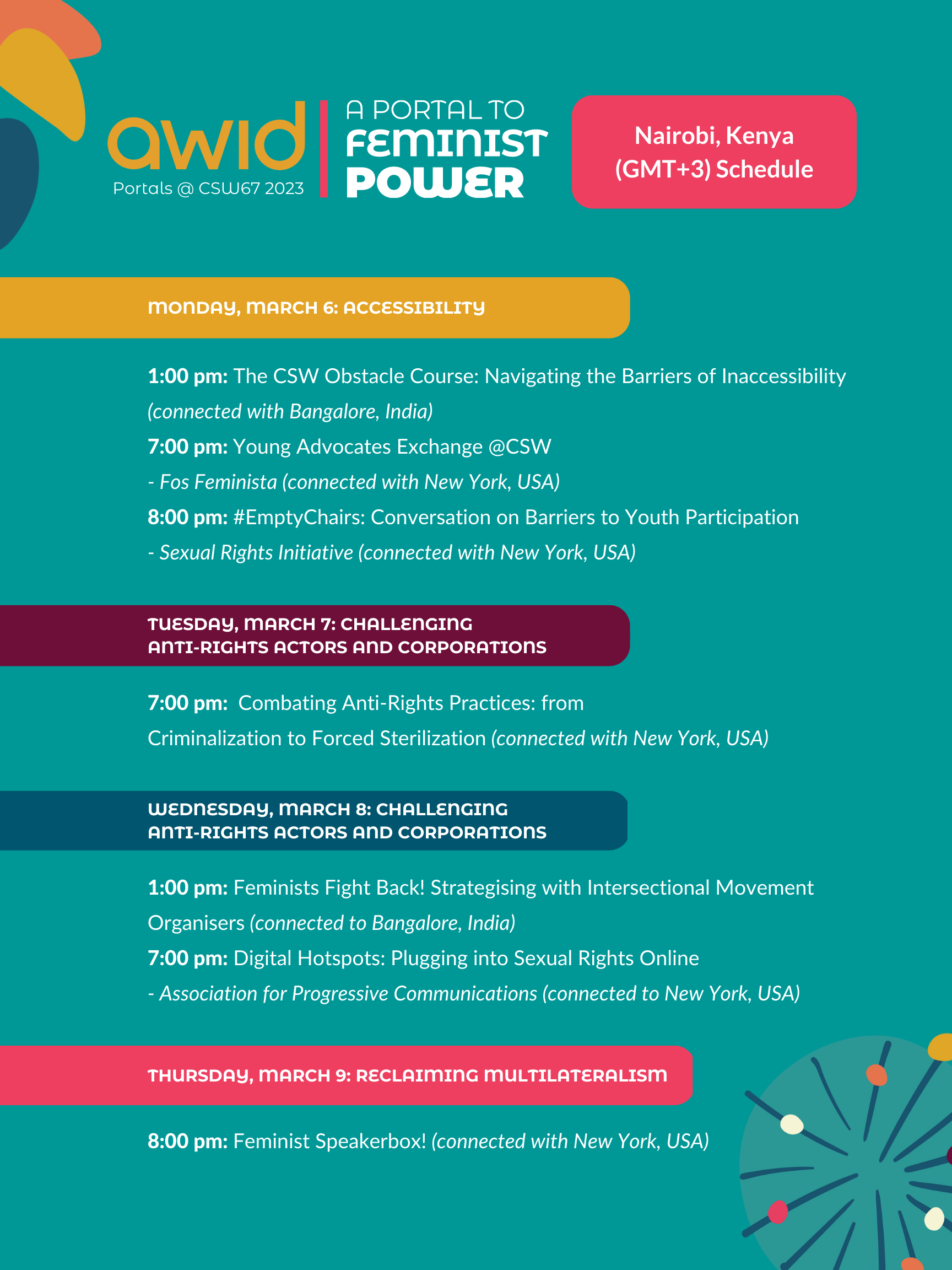
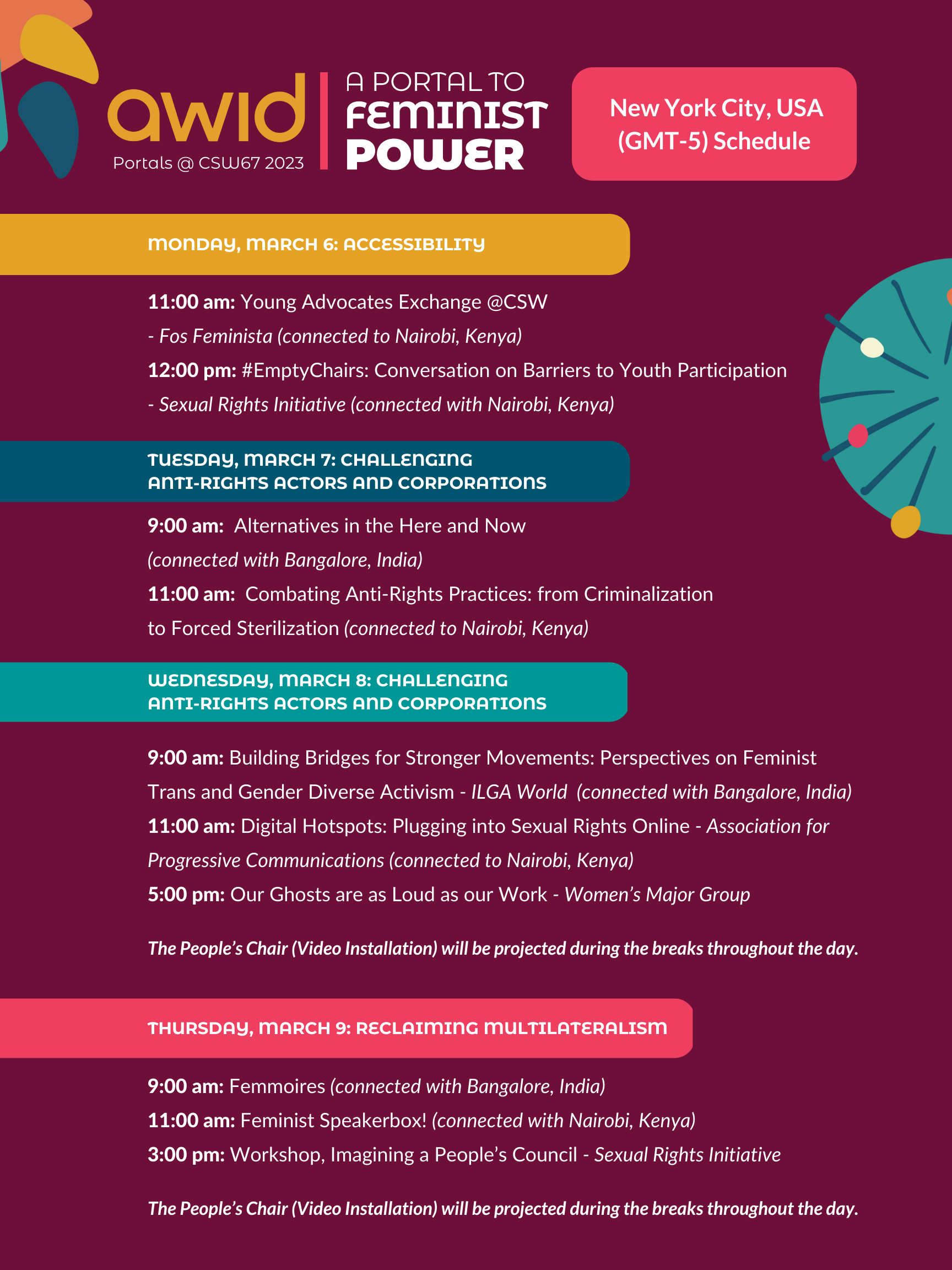
Imagine opening a door which takes you into a conversation with feminist activists in other continents. This portal will transcend the barriers of UN CSW by pushing beyond language barriers, unaffordable travel, unequal protection from COVID19, and racist visa regimes.

This week, we’re putting a virtual spin on CSW by connecting and amplifying feminist activists' voices, to challenge the discriminatory barriers that limit participation and influence. By setting up connecting “portals” in New York City, Nairobi & Bangalore, we'll host a physical-virtual hybrid space for feminists to connect their struggles and build collective power.


Follow us to join the livestreams:

YouTube Facebook

And stay updated following us over:
Instagram Twitter


Graphic for the Announcement of AWID's participation in CSW 2023 with Portals

What are we covering? 

Day 1: March 6 - Accessibility

Day 2: March 7- Challenging Anti-Rights Actors And Corporations

Day 3: March 8 - Challenging Anti-Rights Actors And Corporations

Day 4: March 9- Reclaiming Multilateralism


Find the program for this week's activities here: 

Download full program here (PDF)

Bangalore Schedule (PNG)  Nairobi Schedule (PNG) New York City Schedule (PNG)

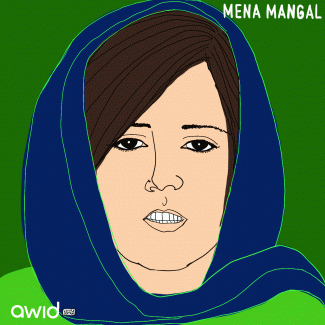
Mena Mangal

Mena Mangal was a prominent TV journalist, women’s rights advocate and cultural adviser to Wolesi Jirga, the lower house of Afghanistan's national parliament. 

For more than a decade, she worked for Ariana TV, Tolo TV's Pashto-language channel Lamar, and the private Afghan national television broadcaster Shamshad TV. As a presenter, Mena focused on women’s rights and cultural talk shows. 

"Women's rights activist Wazhma Frogh said Mangal "had a loud voice" and actively spoke out as an advocate for her people."

Off-screen, she also ran popular social media pages that advocated for the rights of Afghan girls and women to education and work. In terms of her private life, Mena wrote extensively about being forced into an arranged marriage in 2017 and the process she had to go through to finally obtain a divorce. 

In a Facebook post, Mena wrote she was receiving death threats from unknown sources but would continue to carry out her work.

On 11 May 2019, she was attacked by unknown gunmen and shot dead in broad daylight in a public space in Southeast Kabul. 

"We are concerned about the situation because it has a direct impact on women who work outside their homes...Female journalists are changing their professions due to the increasing risks they are facing." - Robina Hamdard, Kabul-based women’s rights activist.
มีมาตราการอย่างไรในการปกป้องด้านสาธารณสุขและควบคุมการระบาดของโรคโควิด19

เราจับตาดูเรื่องนี้และความเสี่ยงอื่นๆอย่างระมัดระวัง และจะนำเสนอข้อมูลด้านสุขภาพและความปลอดภัยที่คลอบคลุมเมื่อมีการเปิดให้ลงทะเบียน เพื่อให้คุณสามารถตัดสินใจได้อย่างมีข้อมูล มากกว่านั้นการจัดประชุมแบบสองรูปแบบ(ออนไลน์และกายภาพ)ถูกออกแบบให้ให้เกิดการมีส่วนร่วมอย่างมีความหมายสำหรับผู้เข้าร่วมที่เลือกจะไม่เดินทาง หรือผู้เข้าร่วมที่ไม่สามารถเดินทางได้

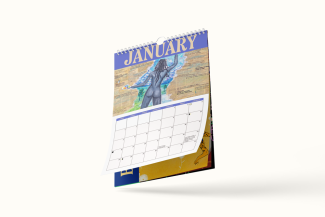
The 2026 AWID Feminist Calendar

Consider this calendar a gift, one that goes out to you and 9,500 members of our global feminist community. A gift of hope, renewed connection, action and community in a time of immense injustice and violence. 

 Let its stories remind you that across borders and struggles, we are many, we are powerful, and together we are building the worlds we deserve. 

Download it here, in your preferred language.

English
Français
Español
Português
عربي
Русский

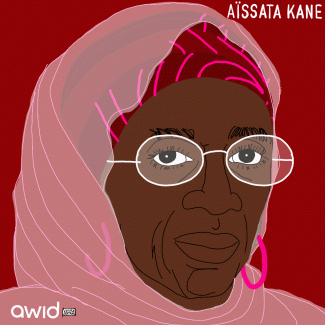
Aïssata Kane

Aïssata Kane, also fondly known as “Yaye Kadia” (Mother Kadia), was a feminist with a lifelong committment in advocating for African and especially Mauritanian women’s rights.

In her career as a politician, she was appointed Minister of Family Protection and Social Affairs in 1975, the first time a woman held such a position and in which Aïssata fervently worked to improve the status of women in her country.  

This work included advancing girls’ and women’s education, fighting against the practice of force-feeding of young women, lobbying for an inclusion of a marital rights provision, and advocating for a female representation quota to be created in the Parliament. 

“[Aïssata] realized all her passions with humility, courage and determination. She didn’t want to disturb anyone by her fight on all these fronts at the same time.” Ball Halimata Dem, Aïssata’s niece

She founded the National Union of Women of Mauritania (UNFM), co-creating and publishing Marienou for them, a magazine dedicated to the emancipation of Mauritanian women. Aïssata also directed several sub-regional and local organizations, including as the President of the International Association of Francophone Women (AIFF) and as a resolute ecologist, she was President of the Association for the Protection of the Environment in Mauritania (APEM). 

In 2018 she received the Pioneer Woman Award. It honors her work in advancing Mauritania’s women’s status and recognizes her strong leadership and sense of innovation.

Aïssata passed away on 10 August 2019. 

Snippet CSW68 - AWID at CSW Logo

AWID at CSW68

Snippet - Centers activists - EN

Centers activists’ voices and experiences to analyze how money moves and who it is reaching

Snippet - WITM Provide members - EN

Provide AWID members, movement partners and funders with an updated, powerful, evidence-based, and action-oriented analysis of the resourcing realities of feminist movements and current state of the feminist funding ecosystem.

Identify and demonstrate opportunities to shift more and better funding for feminist organizing, expose false solutions and disrupt trends that make funding miss and/or move against gender justice and intersectional feminist agendas.

Articulate feminist visions, proposals and agendas for resourcing justice.

START THE SURVEY

Can I fill the survey outside KOBO and share my responses with you via email?

Unless there are accessibility issues and/or you are filling the survey in other languages, we strongly encourage you to use KOBO for WITM standardized data collection and analysis.

The resourcing realities and state of funding for feminist movements change quickly, is this survey a one-off?

No, it's not. This survey builds on AWID’s 20-year history of mobilizing more and better funding for feminist-led social change and is the third iteration of our Where is the money for feminist organizing? research. Our aim is to repeat the WITM survey every 3 years.

Snippet - WITM To share - AR

لمشاركة تجاربكم/ن المعاشة بما يتعلق بتمويل منظمتكم/ن

Snippet - WITM Start the survey 1 - AR


Globe

الاستطلاع متاح باللغات العربية، الإنجليزية، الفرنسية، البرتغالية، الروسية والاسبانية!

Snippet - WITM Our objectives - RU

Задачи исследования «Где деньги?»:

1

Предоставить членам AWID, партнерам и донорам обновленный, мощный, основанный на фактических данных и ориентированный на конкретные действия анализ ресурсных реалий феминистских движений, а также текущего состояния экосистемы финансирования феминистских инициатив.

2

Выявить и продемонстрировать возможности для увеличения и улучшения финансирования феминистских организаций, выявить ошибочные решения и препятствовать тенденциям, приводящим к нехватке финансирования и/или противоречащим гендерной справедливости и межсекторальным феминистским повесткам.

3

Сформулировать феминистское видение, предложения и программы по обеспечению ресурсами.

Пройти опрос!

لماذا عليّ أن أفكر بتعبئة الاستطلاع؟

هنالك العديد من الأسباب لتعبئة الاستطلاع منها أنه لديك الفرصة لمشاركة تجربتك المعاشة المتعلقة بحشد الموارد لدعم تنظيمك، أن تعمل/ين من منطلق قوة كخبير/ة بما يتعلق بالأموال ولأين تتحرك ولأين تصل وبذلك المشاركة بالجهد المشترك والمناصرة لتحريك التمويلات الأكبر والأفضل. لقد أثبت استطلاع "أين المال" في العشرين عام الأخيرة أنه مصدر أساسي للشركاء/ الشريكات وكذلك للممولين/ات. ندعوك من كل قلبنا للمشاركة بالنسخة الثالثة لتسليط الضوء على الوضع الفعلي للموارد، وتحد الحلول الخاطئة، والإشارة إلى كيفية تغيير التمويل حتى تزدهر الحركات وتواجه التحديات المعقدة في عصرنا.

Наша группа, организация и/или движение не получали и не мобилизовывали финансирование от внешних спонсоров – можем ли мы принять участие в опросе?

Да! Мы признаем и ценим различные причины, по которым феминистки(-ты), работающие в различных контекстах, не имеют внешнего финансирования. Эти причины могут разниться: от невозможности подавать заявки на гранты из-за несоответствия требованиями и/или невозможности получения денег из-за рубежа, до использования генерируемых автономно ресурсов, в качестве самостоятельной политической стратегии. Мы хотим услышать ваше мнение, независимо от наличия или отсутствия у вас опыта работы с внешним финансированием.

Quais são os idiomas oficiais do inquérito WITM?

Por enquanto, o inquérito no KOBO está disponível em árabe, inglês, francês, português, russo e espanhol. Terá a oportunidade de selecionar um dos idiomas no início do inquérito.

هل عليّ القيام بأي تجهيزات قبل تعبئة الاستطلاع؟

يركّز استطلاع "أين المال" على وقائع التمويل للتنظيمات النسوية، تسأل أغلبية الأسئلة عن تمويل مجموعتكم/ن بين الأعوام 2021-2023. سوف تحتاجون أن تكون لديكم/ن معلومات معيّنة عند تعبئة الاستطلاع مثل ميزانيتكم/ن السنوية ومصادر التمويل الأساسية.

Вы просите указать название группы/организации и/или движения и контактную информацию – почему?

Мы запрашиваем эти данные, чтобы облегчить просмотр ответов, избежать дублирования и иметь возможность связаться с вашей организацией в случае, если вы не смогли завершить опрос и/или если у вас возникли сомнения или дополнительные вопросы. Здесь вы можете узнать больше о том, как мы используем личную информацию, которую собираем в ходе нашей работы.

Become a member - English (homepage block)

Join Us

By joining AWID, you are becoming part of worldwide feminist organizing, a collective power that is rooted in working across movements and is based on solidarity.

Become a Member

O questionário está disponível durante quanto tempo?

O questionário está disponível até o final de julho de 2024. Queira preencher o mesmo dentro deste prazo para garantir que as suas respostas são incluídas na análise.