Sabriya Simon
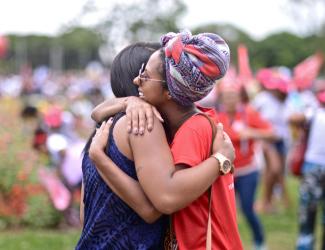
Marcha da Mulheres Negras 2016

Priority Areas

Supporting feminist, women’s rights and gender justice movements to thrive, to be a driving force in challenging systems of oppression, and to co-create feminist realities.

Co-Creating Feminist Realities

While we dream of a feminist world, there are those who are already building and living it. These are our Feminist Realities!

What are Feminist Realities?

Feminist Realities are the living, breathing examples of the just world we are co-creating. They exist now, in the many ways we live, struggle and build our lives.

Feminist Realities go beyond resisting oppressive systems to show us what a world without domination, exploitation and supremacy look like.

These are the narratives we want to unearth, share and amplify throughout this Feminist Realities journey.

Transforming Visions into Lived Experiences

Through this initiative, we:

  • Create and amplify alternatives: We co-create art and creative expressions that center and celebrate the hope, optimism, healing and radical imagination that feminist realities inspire.

  • Build knowledge: We document, demonstrate & disseminate methodologies that will help identify the feminist realities in our diverse communities.

  • Advance feminist agendas: We expand and deepen our collective thinking and organizing to advance just solutions and systems that embody feminist values and visions.

  • Mobilize solidarity actions: We engage feminist, women’s rights and gender justice movements and allies in sharing, exchanging and jointly creating feminist realities, narratives and proposals at the 14th AWID International Forum.


The AWID International Forum

As much as we emphasize the process leading up to, and beyond, the four-day Forum, the event itself is an important part of where the magic happens, thanks to the unique energy and opportunity that comes with bringing people together.

We expect the next Forum to:

  • Build the power of Feminist Realities, by naming, celebrating, amplifying and contributing to build momentum around experiences and propositions that shine light on what is possible and feed our collective imaginations

  • Replenish wells of hope and energy as much needed fuel for rights and justice activism and resilience

  • Strengthen connectivity, reciprocity and solidarity across the diversity of feminist movements and with other rights and justice-oriented movements

Learn more about the Forum process

We are sorry to announce that the 14th AWID International Forum is cancelled

Given the current world situation, our Board of Directors has taken the difficult decision to cancel Forum scheduled in 2021 in Taipei. 

Read the full announcement

Find out more!

Related Content

Snippet - Blog post Quote_EN

"We believe that this is the time for us to continue to organize from a place of solidarity, hope and radical imaginations."

- Beijing+30 & CSW: Feminist meaning-making at a time of polycrisis

Read here

Snippet Kohl - Panel | Liberated Land & Territories | AR

Speech bubble: Panel liberated land and territories

حلقة نقاش | الأرض والمناطق المُحرَّرة: محادثة عموم أفريقية 
مع لوام كيدان ومريامة سونكو ويانيا صوفيا غرسون ڤالنسيا ونوسمة سيزاني

YOUTUBE| SOUNDCLOUD

Snippet - CSW69 - Transfeminist Alliances - EN

Transfeminist Alliances Against Fascism

✉️ By registration only. Register here

📅 Thursday, March 13, 2025
🕒 09.30-11.30am EST

🏢 Outright International Office, 17th Floor, 216 E 45th Street, New York

🎙️AWID speaker: Inna Michaeli, Co-Executive Director

Organizer: Outright International

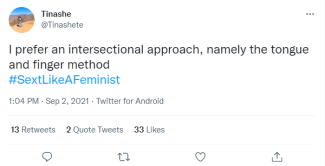
#5 - Sexting like a feminist Tweets Snippet AR

تقديم تحليل كفء للأجساد البحثيّة، يستوجب بالضرورة تسخيرًا شاملا لكافّة الأدوات الحميميّة…

Image of a tweet. Text says: I prefer an intersectional approach, namely the tongue and finger method.

أفضّل المقاربة التقاطعيّة لما تشتمل عليه من مداعبة ممنهجة باللسان والأصابع

Snippet - WCFM smart filtering - EN

With smart filtering for both databases, you can connect with funders based on:

  Nature of funding:
Due to global funding cuts and freezes
Recipient type:
Filter for organizations or individual funding opportunities
Preferred languages: 
Boil them down to communications language preferences
  Funding type:
Be it rapid response, grantmaking, seed, direct aid and more
Movement and Struggle:
Connect with funders that speak to your movement

Snippet2 - WCFM type of funder - EN

Grid icon

Type of funder:

Filter your search by funders from different sectors i.e., philanthropic foundations, multilateral funders, women’s and feminist funds

Snippet - COP30 Intro

Join the feminist movement reclaiming climate action from corporate capture

With 1,773 fossil fuel lobbyists at last year's COP29, we're heading alongside other feminists to Belém, Brazil for COP30, from 10 November – 21 November 2025, where we will continue to denounce false solutions, call out corporate capture, demand that States uphold their commitments under the Common but Differentiated Responsibilities and Respective Capabilities and push for feminist economic alternatives.

$2.7 trillion for the military. $300 billion for climate justice. We're here to flip the script.

Actions Hubs Tools

Follow the campaign

Snippet - COP30 - Our Tools title - EN

Toolbox for COP30 Organizing

Snippet 7 - What's happening at HRC61 Intro


AWID IN 2015: Building Collective Impact

In 2015 AWID grew and diversified.

We ramped up preparations for the 13th AWID international Forum, focused a lot of energy on the Post 2015 Development Agenda and Financing for Development processes, and continued the core work of our priority areas:


A sneak peak inside the report

The context

  • We continue witnessing the rapid breakdown in democracy and democratic institutions, with spaces for dissent shrinking.
  • Multiple and concurrent systemic crises (energy, food, finance and climate) continue to deepen inequalities and pose major challenges.
  • Corporations are a leading power in determining the development agenda.
  • Violence against WHRDs remains an urgent problem.
  • Religious fundamentalisms are pervasive and increasingly powerful.
  • New forms of online gender-based violence have emerged.

In response, we are moving out of our silos.

Increasingly, women’s rights and other movements worldwide are articulating the systemic and intersectional nature of these and other problems. We are making better connections with the agendas of other social and environmental movements for solidarity, alliance building and collective responses. We are also seeing greater visibility of these movements fighting for justice on the ground.


Our Impact

  • For effective strategizing and advocacy, we need facts
  • To exchange knowledge and join hands in solidarity, we need  a strong online community
  • To build our collective power, we need to work together
  • To influence international processes,  we need to increase our access and voice
  • To reposition power we need to give visibility and emphasize  the important role that feminist and women’s rights movements  are already playing
     

Our Members

As at 31st December, 2015 we had:


Read the full report


Snippet - WD2026 - Georgia Hub - EN

📍 Hub in Georgia: Puspussy x FemDef & Eurasian Women's Network on AIDS 

📅 25 - 30 April 

The program is a 4-part workshop series for local activists and feminists to learn about psychosocial support, harm reduction and self-defense, centering the lived realities of feminists from marginalized communities in Georgia; in order to prevent interpersonal violence and ultimately create inclusive, respectful and equal spaces for all.

Ritu

Biography

Ritu is a feminist technologist who brings her experience in the non-profit sector, driven by a passion for utilizing innovative approaches to finding feminist technological solutions. Holding a Master's in Technology in Computer Applications from the Indian Institute of Technology, her role at AWID encompasses a diverse range of responsibilities. From overseeing digital security and server management to database administration, capacity building, technology evaluation, software implementation and cloud solutions, Ritu ensures that AWID's IT infrastructure is resilient and effective. Prior to joining AWID, she played a pivotal role in advancing technological initiatives in the Health Promotion and Environment sectors, fueled by her dedication to leveraging technology for social good.

Position
IT Manager
Add to stories
Off

Young Feminist Activism

Organizing creatively, facing an increasing threat

Young feminist activists play a critical role in women’s rights organizations and movements worldwide by bringing up new issues that feminists face today. Their strength, creativity and adaptability are vital to the sustainability of feminist organizing.

At the same time, they face specific impediments to their activism such as limited access to funding and support, lack of capacity-building opportunities, and a significant increase of attacks on young women human rights defenders. This creates a lack of visibility that makes more difficult their inclusion and effective participation within women’s rights movements.

A multigenerational approach

AWID’s young feminist activism program was created to make sure the voices of young women are heard and reflected in feminist discourse. We want to ensure that young feminists have better access to funding, capacity-building opportunities and international processes. In addition to supporting young feminists directly, we are also working with women’s rights activists of all ages on practical models and strategies for effective multigenerational organizing.

Our Actions

We want young feminist activists to play a role in decision-making affecting their rights by:

  • Fostering community and sharing information through the Young Feminist Wire. Recognizing the importance of online media for the work of young feminists, our team launched the Young Feminist Wire in May 2010 to share information, build capacity through online webinars and e-discussions, and encourage community building.

  • Researching and building knowledge on young feminist activism, to increase the visibility and impact of young feminist activism within and across women’s rights movements and other key actors such as donors.

  • Promoting more effective multigenerational organizing, exploring better ways to work together.

  • Supporting young feminists to engage in global development processes such as those within the United Nations

  • Collaboration across all of AWID’s priority areas, including the Forum, to ensure young feminists’ key contributions, perspectives, needs and activism are reflected in debates, policies and programs affecting them.

Related Content

Sustaining Ourselves, Our Activism, Our Movements

Sustaining Ourselves, Our Activism, Our Movements

Ahead of the 2016 International Day of Action for Women's Health, on May 28th, we spotlight Sacred Women International, an AWID member based in Toronto, Canada. The organisation focuses on “creating a balance” and building the well-being of African, Caribbean, and Black Women across the diaspora. They shared with AWID on the importance of sustaining activists in order to continue social activism, uphold our communities and movements. #BlackLivesMatter

“We absolutely need passion for the work that we are doing or we won’t be able to do it. And to shift anything we need passion. But let’s not replace passion with anger. And let’s not carry the history of pain so much on our back that we bring it into our work, that we bring it into our lives.” – Aina-Nia Ayo-Dele, Sacred Women International

Watch the video to find out more about Sacred Women International 


Region
North America
Source
AWID

Transiciones: La historia de Tangarr

Transiciones: La historia de Tangarr

Después de que Rusia le quitara Crimea a Ucrania y la anexara en marzo de 2014, las comunidades de personas lesbianas, gay, bisexuales, trans, queer e intersex (LGBTQI) de la península y sus derechos quedaron sujetos a una ley discriminatoria y represiva conocida como ley de «propaganda anti-gay». 


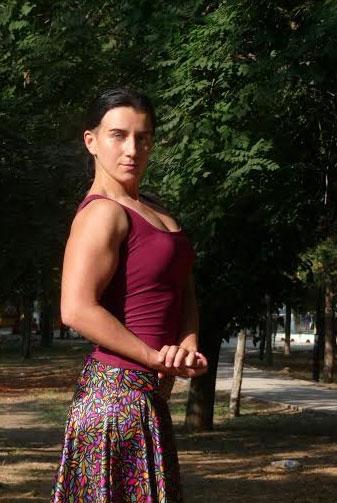
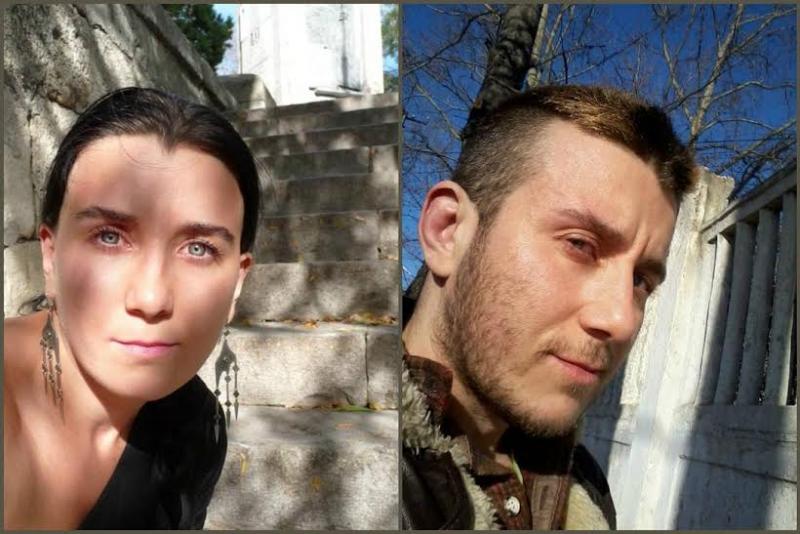
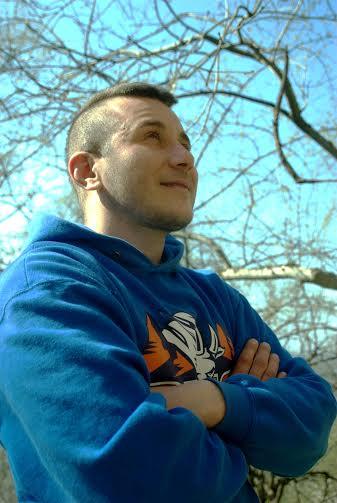
Tangarr nació en Sebastopol, una ciudad sobre el Mar Negro. Como hombre trans y gay con firmes convicciones y principios que apoyan el feminismo, los derechos LGBTQI y los derechos humanos en general, considera que Crimea se ha tornado un lugar peligroso y por eso huyó con su pareja a la parte continental de Ucrania. 

Sobre la identidad 

A diferencia de la mayoría de las personas trans, Tangarr descubrió relativamente tarde que su identidad de género no coincidía con el sexo que le habían asignado al nacer. Nos contó que su infancia fue relativamente feliz y que su madre y su padre tenían una visión bastante liberal de cómo se supone que lxs niñxs deben comportarse. Los trataban a él y a su hermano de igual manera y nunca intentaron persuadir a Tangarr de que «actuara como una niña normal» o que hiciera cosas que la sociedad tradicionalmente considera como femeninas. 

«Jugaba a indios y vaqueros, escalaba montañas con mis padres y mi hermano, íbamos de mochileros. Practicaba judo. No tenía ningún problema en ser yo mismo.»


Pero la llegada de la pubertad implicó desafíos para él. No estaba contento con nada lo que su madre valoraba, sobre todo la idea a menudo idealizada de que ese es el momento en que «las chicas se convierten en bellas mujeres».

Sus sentimientos en relación a esos cambios tenían que ver más con la preocupación y la frustración, y recuerda lo «difícil que es darse cuenta que tu cuerpo se desarrolla de una forma que contradice a tu alma».

La sociedad no lo trataba de la forma en que él quería ser tratado; la gente veía en él a una joven y lo único que él sentía era que algo no estaba bien. Su confusión estaba relacionada con el hecho de que la percepción que la gente tenía de él lo decepcionaba. 

«Pensé que era lesbiana (porque, como ya saben, el estereotipo las muestra como mujeres masculinas), pero prefería a los hombres. Es uno de los momentos en los que te das cuenta de lo importante que es entender las cuestiones del género y la orientación sexual». 

Tangarr relata que como carecía de información acerca de las personas transgénero, pensó que el problema principal era su cuerpo. Hizo ejercicio y logró «volverse más musculoso y atlético, pero definitivamente algo estaba faltando». Sin embargo, la sensación persistente de que algo no estaba bien se veía atenuada por un entorno bastante liberal en el que contaba con la comprensión y el apoyo de sus amigxs.

Fue una persona (que él conocía) quien cambió su vida cuando intentó insultarle diciendo «No importa cuánto ejercicio hagas, nunca serás un hombre». En ese momento Tangarr se dio cuenta de algo que nunca se le había ocurrido antes... 

«Pensé que estaba solx. Una chica que se sentía como un chico — lo que es más, un chico gay».

Cambios legales y desafíos 

Antes de su cambio de sexo legal, Tangarr encontró información en línea y habló con gente que le ayudó y le guió mientras aprendía todo lo que necesitaba saber acerca de este proceso en Ucrania. Leyó historias, artículos médicos, básicamente todo lo relacionado con los cambios en la apariencia y la terapia de reemplazo hormonal. 

Tangarr comenzó la terapia y se hizo una mastectomía (extirpación de los senos) en Moscú, Rusia, ya que «no hay cirujanos en Ucrania que sean conocidos por su pericia en este tema». Para él, esta situación también refleja el estado general de «ignorancia sobre los temas trans que existe entre la población, incluso entre lxs trabajadorxs de la salud». 

«Por todo aquello que atesoramos, es impensable negarse a enfrentar el desafío.» 

Sin embargo, en Ucrania, para completar el cambio de sexo legal es obligatoria la esterilización irreversible. Tangarr protestó contra eso porque «las razones por las que la esterilización forzada es discriminatoria son demasiadas para ser enumeradas». Con el apoyo de una persona amiga pudo cambiar sus documentos legalmente, sin someterse a una histerectomía (extracción del útero). Tangarr es una de las pocas personas que lo ha hecho en Ucrania.

Discriminación/Prejuicios/Violencia y la afiliación al/los movimiento(s)  

«Siempre me pareció raro que nadie hiciera nada para evitar que eso sucediera... Pero luego entendí que ese nadie era yo.» 

Las experiencias de Tangarr durante su vida (como mujer) le llevaron a unirse al movimiento feminista, «ya que el proceso adicional de socialización masculina puso de relieve todos los desafíos que las niñas y mujeres deben superar día a día». Desde entonces es activista en la «Amenaza Violeta», un grupo cuyas principales áreas de interés son la teoría queer, el feminismo y los derechos trans y miembro activo de la Trans* Coalition [Coalición Trans*], grupo que une a las personas trans y sus aliadxs en los países de la antigua Unión Soviética. 

En diciembre de 2015 Tangarr comenzó su trabajo como activista participando en un coloquio entre representantes de la comunidad trans de los países de Europa Oriental y Asia Central (EECA, por sus siglas en inglés) y la Eurasian Coalition on Male Health (ECOM) [Coalición Euroasiática sobre Salud Masculina], para discutir sobre prevención y tratamiento de VIH y SIDA entre las personas trans como grupo socialmente vulnerable. Allí hizo una presentación sobre los «Los sesgos cognitivos como razones por las cuales los hombres trans corren un alto riesgo de infección por VIH, métodos de prevención y cómo mejorar la situación».

Tangarr ha colaborado en la creación de un folleto informativo sobre género, ha escrito artículos sobre temas trans, ha trabajado en un video que apoya al grupo Odessa Pride [Orgullo Odesa] y ha hablado en un programa de televisión acerca de los desafíos que enfrentan las personas trans cuando intentan hacer un cambio de sexo legalmente. 

En el Centro de Lucha contra el VIH y el SIDA de Kirovogrado (Ucrania central), Tangarr ha sido invitado a dar una conferencia para periodistas, activistas de derechos humanos, trabajadorxs de la salud y policías sobre temas trans. 

Tangarr cree firmemente que «la educación es una panacea contra los prejuicios y conceptos erróneos, la discriminación y la xenofobia». Su lema es: «Ríndete a la verdad tan rápido como puedas».

«Cuanto más sepamos sobre identidad de género y orientación sexual, menos prejuicios tendremos. El prejuicio trae aparejado sufrimiento, por eso barrer con la ignorancia es reducir el dolor que ella causa».

Source
AWID

Transitions : l’histoire de Tangarr

Transitions : l’histoire de Tangarr

Depuis l’annexion de la Crimée à la Russie en mars 2014, les droits et les communautés des personnes lesbiennes, gaies, bisexuelles, trans*, queers et intersexes (LGBT*QI) de la péninsule sont soumis à la loi discriminatoire et répressive de « propagande anti-gays » (lien en anglais). 


Tangarr est né à Sébastopol, une ville située au bord de la Mer Noire. Mais cet homme trans* aux convictions et aux principes bien ancrés, soutenant le féminisme, les droits LGBT*QI et les droits humains en général, estime que la Crimée est aujourd’hui un lieu dangereux (lien en anglais) et a fui avec son partenaire en Ukraine continentale. 

De l’identité 

Contrairement à la plupart des personnes trans*, Tangarr a découvert un peu plus tard que son identité de genre n’était pas en accord avec le sexe qui lui avait été assigné à la naissance. Il nous a raconté que son enfance avait été relativement heureuse, que ses parents avaient une vision plutôt libérale du comportement que l’on attend d’un enfant. Son frère et lui ont été traités de la même façon, et on ne demandait pas à Tangarr « d’avoir le comportement d’une fille normale » ou de faire des choses que la société considère féminines. 

« Je jouais aux cowboys et aux indiens, j’escaladais des montagnes avec mes parents et mon frère, on voyageait en sac à dos. Je faisais du judo. J’étais moi-même et je me sentais bien. »

Mais avec la puberté, il a vu surgir les difficultés. Il vivait mal les aspirations de sa mère, en particulier l’idée selon laquelle la puberté était la période qui « transforme les filles en de belles femmes », une idée qui est souvent enjolivée. 

Cette métamorphose suscitait en lui des sentiments de frustration et du tourment. Il se souvient : « C’est dur de réaliser que le développement de votre corps prend une direction opposée à celle de votre psyché ». 

La société ne l’a pas toujours traité comme il l’aurait souhaité, les gens voyaient en lui une jeune fille. Cela ne lui inspirait qu’une confusion et une impression d’incongruité, toutes deux liées au fait que leur perception le décevait.

« J’ai cru que j’étais lesbienne (parce que, vous savez, elles sont stéréotypées comme étant des femmes masculines), mais je préférais les hommes. C’est là qu’on se rend compte à quel point il est important d’éclairer les gens sur les questions d’orientation de genre et sexuelle. » 

Tangarr décrit qu’il a cruellement manqué d’informations concernant les personnes trans*, ce qui l’a amené à croire que le plus gros problème venait de son corps. Il s’est mis à s’entraîner, « [est] devenu plus musclé et athlétique, mais quelque chose manquait clairement ». Bien qu’atténuée par un environnement assez libéral et par la compréhension et le soutien de ses ami-e-s, cette impression d’incongruité a continué de persister.

Sa vie a changé lorsque quelqu’un (qu’il connaissait) a cherché à l’insulter en lui disant : « Tu peux t’entraîner autant que tu veux, tu ne seras jamais un homme ». À cet instant, Tangarr a réalisé une chose à laquelle il dit n’avoir jamais pensé auparavant… 

« Je me suis dit que j’étais seul. Une fille qui se sent comme un mec — un mec gay, qui plus est. »

Changements juridiques et obstacles 

Avant de changer légalement de sexe, les renseignements que Tangarr a trouvés sur le net et les gens avec lesquels il a échangé l’ont aidé à s’orienter afin d’obtenir toutes les informations nécessaires au sujet de ce processus en Ukraine. Il a lu des témoignages, des articles médicaux, essentiellement tout ce qu’il pouvait sur les changements au niveau de l’apparence et sur le traitement hormonal de substitution. 

Il a entamé sa thérapie et subi une mastectomie (ablation des seins) à Moscou, en Russie, puisqu’il « n’existe en Ukraine aucun chirurgien de qualité réputé dans ce domaine ». Pour lui, cela reflète aussi « l’ignorance générale de la population sur les questions trans*, et cela même parmi le corps médical ». 

« Au nom de tout ce qui nous tient à cœur, il est impensable de refuser de relever ce défi. » 

Mais l’Ukraine exige qu’une stérilisation irréversible soit pratiquée afin d’effectuer le changement de sexe. Tangarr s’est insurgé contre cette condition, car « la stérilisation forcée est discriminatoire pour mille et une raisons ». Avec l’aide d’un ami, il est parvenu à modifier ses documents légalement, sans avoir à subir d’hystérectomie (ablation de l’utérus). Il est l’une des très rares personnes à avoir procédé ainsi en Ukraine. 

Discrimination/préjugés/violence et adhérer à des mouvements 

 « J’ai toujours trouvé bizarre que personne ne fasse rien pour empêcher que cela n’arrive… Et puis j’ai compris que ‘personne’, c’était moi ». 

Les expériences que Tangarr a faites au cours de sa vie (de femme) l’ont amené à rejoindre le mouvement féministe, « dans la mesure où sa socialisation en tant qu’homme a mis en évidence tous les obstacles que les filles et les femmes ont à surmonter jour après jour ». C’est un activiste de Lavender Menace, un groupe dont les principaux domaines d’intérêt sont la théorie queer, le féminisme et les droits trans*. Il est aussi membre actif de la Trans* Coalition, qui rassemble les personnes trans* et leurs allié-e-s des pays de l’ex Union soviétique. 

En décembre 2015, Tangarr a entamé son travail activiste et participé à un dialogue entre représentant-e-s de la communauté trans* des pays de l'Europe de l'Est et d'Asie centrale (EEAC, en anglais) et de l’Eurasian Coalition on Male Health ou ECOM (Coalition eurasienne sur la santé des hommes), afin de parler des stratégies de prévention et des traitements du VIH et du SIDA au sein de la communauté trans* en tant que groupe socialement vulnérable. Il a présenté un exposé sur « les préjugés cognitifs comme causes de la forte exposition des hommes trans* à l’infection du VIH, les méthodes de prévention et l’amélioration de la situation ».

Il a participé à la création d’un ouvrage d’information sur le genre, rédigé des articles sur le thème trans*, travaillé à une vidéo de soutien à Odessa Pride et s’est exprimé lors d’une émission télévisée au sujet des obstacles juridiques auxquels les personnes trans* sont confrontées lorsqu’elles tentent de changer de sexe. 

Le Centre de la lutte contre le VIH et le SIDA de Kirovohrad (au centre de l'Ukraine) a invité Tangarr à donner une conférence sur les questions trans* à des journalistes, des activistes œuvrant en faveur des droits humains, des travailleur-euse-s de la santé et à la police. 

Tangarr est fermement convaincu que « l’éducation est une panacée capable d’éliminer les préjugés et les idées erronées, la discrimination et la xénophobie ». Il a pour devise : « Optez pour la vérité le plus rapidement possible ». 

« Plus nous savons de choses sur ce qui a trait à l’identité de genre et l’orientation sexuelle, moins nous nourrissons de préjugés. Les idées reçues engendrent de la souffrance. En abolissant l’ignorance, on diminue la détresse qu’elle provoque. » 

Source
AWID

Transitions: Tangarr’s Story

Transitions: Tangarr’s Story

After Russia annexed Crimea from Ukraine in March 2014, Lesbian, Gay, Bisexual, Transgender, Queer and Intersex (LGBTQI) rights and communities on the peninsula became subject to the discriminatory and repressive ‘anti-gay propaganda’ law. 


Tangarr was born in Sevastopol, a city on the Black Sea. But as a gay transman, with strong views and principles supporting feminism, LGBTQI rights and human rights in general, he now considers Crimea a dangerous place and has fled with his partner to the continental part of Ukraine.

About Identity

Unlike most transgender people, Tangarr discovered somewhat later in life that his gender identity didn't match his sex assigned at birth. He told us about his childhood being relatively happy and his parents holding fairly liberal views on how a child is supposed to behave. He and his brother were treated equally, and Tangarr wasn’t persuaded to 'act like a normal girl' or do things traditionally considered feminine by society.

"I was playing Cowboys and Indians, climbing mountains with my parents and my brother, we went backpacking. I practiced Judo. I had no problem with being myself."

The coming of puberty, though, brought challenges for him. He wasn’t happy about everything his mother cherished, particularly the notion that this was the time that ‘turns girls into beautiful women’, an idea often romanticized.

His feelings about those changes were based on worry and frustration, he remembers, “it's hard to realize that your body develops in a way contradictory to your psyche”. 

Society didn’t treat him the way he wanted to be treated, people saw in him a young girl, and all he felt was a sense of wrongness and confusion related to the fact that their perception disappointed him.

“I thought I was lesbian (because they're, you know, stereotypically portrayed as masculine women), but I preferred men. It’s one of the moments when you realize how important enlightenment on issues of gender and sexual orientation is.”

Tangarr describes how he lacked information about transgender people, so he thought that the main problem was his body. He worked out, “became more muscular and athletic, yet something was definitely missing”. The sense of wrongness still persisted even if it was diminished by a quite liberal environment, including the understanding and support of friends.

His life was changed by someone (he used to know) attempting to insult him by saying “no matter how hard you work out, you’ll never be a man”. At this point, Tangarr realized something he said he never thought about before...

“I thought I was alone. A girl who feels like a guy — moreover, a gay guy.”

Legal changes and challenges

Prior to his legal sex change, the information Tangarr found online and the people he talked to helped guide him to learn all he needed to know about this process in Ukraine. He read stories, medical articles, basically everything about appearance changes and hormone replacement therapy.

He started the therapy and went through mastectomy (removal of breasts) procedure in Moscow, Russia as there “are no surgeons in Ukraine who are famed for quality in this matter”. For him this also reflects general “ignorance among the population on transgender issues, even among medical workers”. 

“For everything we hold dear, it’s unthinkable to refuse facing the challenge.”

However, to complete the legal sex change in Ukraine, irreversible sterilization is mandatory. Tangarr protested against this because, “forced sterilization is discriminatory for too many reasons to count”. With support of a friend, he was able to change documents legally, without undergoing hysterectomy (removal of the uterus). He is one of the very few people who has done so in Ukraine. 

Discrimination/Bias/Violence and joining movement(s)

 “I always found it weird that nobody does anything to stop it from happening… But then I understood that this nobody is me”

Tangarr’s experiences during his life (as a woman) moved him to join the feminist movement, “as further male socialization highlighted all the challenges girls and women must overcome on a daily basis”. He is an activist in "Lavender Menace", a group whose main fields of interest are queer theory, feminism and transgender rights, and is an active member of the Trans* Coalition, which unites transgender people and their allies in countries of the former Soviet Union. 

In December 2015, Tangarr began his work as an activist by participating in a dialogue between representatives of the transgender community from countries of Eastern  Europe and Central Asia (EECA) and the Eurasian Coalition on Male Health (ECOM), to discuss  prevention and treatment of HIV and AIDS among transgender people as a socially vulnerable group. He made a presentation on "Cognitive biases as reasons for transmen being at a high risk of HIV infection, methods of prevention and improvement of the situation".

He has participated in creating an information booklet about gender, has authored articles on transgender issues, has worked on a video to support Odessa Pride, and has spoken on a television show about challenges transgender people face when trying to change legal sex.

In the Kirovograd (central Ukraine) Centre for Fight against HIV and AIDS, Tangarr has been invited to lecture journalists, human rights activists, medical workers and the police on transgender issues.

Tangarr firmly believes that “education is a panacea for biases and misconceptions, discrimination and xenophobia”. His motto: “surrender to the truth as fast as you can”.

“The more we know about gender identity and sexual orientation issues, the less biased we become. With prejudice comes suffering, and to dispel ignorance is to diminish distress caused by it.”
Topics
LGBTQI Rights
Source
AWID

Sanyu Awori

Biography

Sanyu is a Pan-African feminist based in Nairobi, Kenya. She has spent the last decade supporting labour, feminist and human rights movements advocating for corporate accountability, economic justice and gender justice. She has worked with the Business & Human Rights Resource Centre, IWRAW Asia Pacific and the Commonwealth Human Rights Initiative. She has a Master’s of Laws in Human Rights Law and a Bachelor’s of Laws from the University of Nottingham. Her writing has been published in the Business and Human Rights Journal, Human Rights Law Review, Open Global Rights, Open Democracy and more. In her free time, she loves walking in the forest and chasing butterflies.

Position
Manager, Building Feminist Economies
Add to stories
Off

Brenda Salas Neves

Biography

Brenda Salas Neves is a feminist queer strategist born and raised in the southern Andes. They organize to shift narratives and mobilize resources to support racial and climate justice movements around the world. They have produced media projects to uplift migrant power and rise against U.S. military intervention across Latin America, with Deep Dish TV and the Portland Central America Solidarity Committee. They are a proud member of the Audre Lorde Project and a graduate of the United World Colleges (UWC) movement.

Position
Secretary
Add to stories
Off

Can men be members of AWID?

Yes, AWID membership is open to anyone who shares our values.

A number of men who share our commitment to feminism and women’s human rights are members of AWID.

2008: The Doha International Conference takes place with limited achievements

Follow-up International Conference on Financing for Development, Doha, Qatar