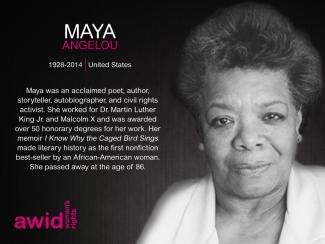
Anit-Racism Movement (ARM) / Flickr (CC BY-NC-ND 2.0)

Priority Areas

Supporting feminist, women’s rights and gender justice movements to thrive, to be a driving force in challenging systems of oppression, and to co-create feminist realities.

Resourcing Feminist Movements

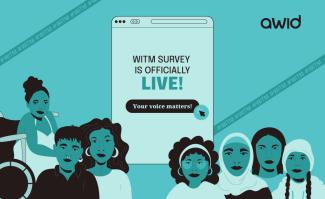
Banner image announcing that WITM Survey is live.


The “Where is the Money?” #WITM survey is now live! Dive in and share your experience with funding your organizing with feminists around the world.

Learn more and take the survey


Around the world, feminist, women’s rights, and allied movements are confronting power and reimagining a politics of liberation. The contributions that fuel this work come in many forms, from financial and political resources to daily acts of resistance and survival.


AWID’s Resourcing Feminist Movements (RFM) Initiative shines a light on the current funding ecosystem, which range from self-generated models of resourcing to more formal funding streams.

Through our research and analysis, we examine how funding practices can better serve our movements. We critically explore the contradictions in “funding” social transformation, especially in the face of increasing political repression, anti-rights agendas, and rising corporate power. Above all, we build collective strategies that support thriving, robust, and resilient movements.


Our Actions

Recognizing the richness of our movements and responding to the current moment, we:

  • Create and amplify alternatives: We amplify funding practices that center activists’ own priorities and engage a diverse range of funders and activists in crafting new, dynamic models  for resourcing feminist movements, particularly in the context of closing civil society space.

  • Build knowledge: We explore, exchange, and strengthen knowledge about how movements are attracting, organizing, and using the resources they need to accomplish meaningful change.

  • Advocate: We work in partnerships, such as the Count Me In! Consortium, to influence funding agendas and open space for feminist movements to be in direct dialogue to shift power and money.

Related Content

Mexican WHRDs

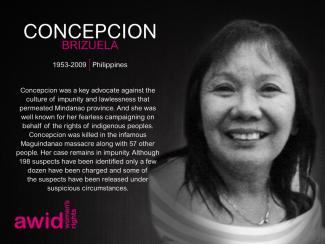
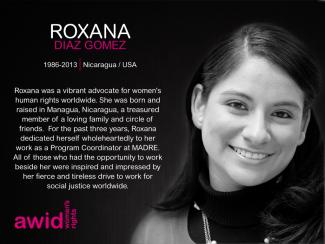
The data from our tribute indicate that Mexico is a particularly dangerous country for defenders. Out of the 12 Mexican Women Human Rights Defenders (WHRDs) we commemorate in this years’ Tribute, 11 were murdered. They were journalists, women’s rights advocates, trans* rights and social activists. Join us in remembering and honoring these WHRDs, their work and legacy by sharing the memes below and tweeting by using the hashtags #WHRDTribute and #16Days. 


Please click on each image below to see a larger version and download as a file


Body

Snippet - COP30 Key Messages - EN

Our COP30 Key Messages for Climate Justice Activists

We encourage you to use the material in support of your advocacy!

Download here

7. Synthesize your research findings

Now that you have analyzed all your data – from your survey, interviews, desk research and potentially other sources – you can create your final product.

In this section:

Create your final product

Your final product will be the document that will summarize, analyze and criticize your data. That will be the piece that you will share with your community to present and explain your research to your audience.

At AWID, we often write a comprehensive written report that analyzes each set of data and synthesizes all of our findings, then later create smaller products, such as infographics and summaries (explained in the subsequent section “Finalize and format”).

1. Write clearly

  • Organize your data as you would like to tell a story. You can follow the order of your survey. Or you can regroup some questions to lead to your conclusion in a smooth and progressive way.
  • Adapt your language to your audience. Use universal language and avoid jargon or too technical terms.

Importance of the editor

An editor will proofread, ensure concise writing, conduct fact-checking, point out inconsistencies that need to be resolved, arrange the flow of the document and possibly suggest titles.

Your editor should preferably be someone who understands and knows your WITM work but who was not directly involved in the research. This will bring in a fresh perspective.

2. Make it pretty

  • Use the data collected to create graphs and tables. These type of visuals are a compelling way to highlight the main findings of your research and validate your analysis.

  • Source relevant images that can illustrate your report.

  • Highlight key-numbers and/or powerful testimonials.

Remember: The more accessible your product is, the more people will want to read (and share!) it.

Back to top


Gather review & inputs

At this point, you have collected all your data, analyzed it and transformed it into your final product, likely in a long report.

1. Polish your results

Before moving on to the next steps – you should share your final research product with your advisor organizations, activists, and donors.

This is a great moment to check the following points:

  • Are there any key points missing in your analysis of the present funding landscape and trends?
  • Are there any key points missing in your conclusions?
  • Are there any inaccuracies in the data that need to be corrected?
  • General suggestions on strengthening the report to achieve your goals as listed in your research framing.

Once you have inputted all feedback from your advisors, be sure to run it by your editor once more.

This will now be the final, completed version of your report.  If you intend to publish the final report in other languages, now is the time to send it for translation.

2. Facilitate the feedback

  • Your advisors are likely busy with their regular responsibilities. Be sure to request feedback within a reasonable deadline.
  • Keep your request for feedback brief and specific, so it is easy for them to respond. If you like, you can simply copy and paste the bullet points we have provided.
  • If you are publishing in multiple languages, ensure you have advisors who can also review the final translated versions of your product(s).

This is a significant contribution from your advisors. Consider offering them some form of recognition.

Back to top


Previous step

6. Conduct desk research

Next step

8. Finalize and format


Estimated time:

• 2 - 5 months

People needed:

• 1 or more research person(s)
• 1 Editor (or web-editor if you create an online product)
• Translator(s), if done in more than one language

Resource needed:

• List of advisor organizations, activists, and donors.
• Concept note (from “Frame your research” section)
• Survey topline results
• Prepared interview questions
• Interview results
• Desk research data
• All other data used in report


Previous step

6. Conduct desk research

Next step

8. Finalize and format


Ready to Go? Worksheet

Download the toolkit in PDF

Snippet - WD2026 - Resourcing Hub_EN

Resourcing Hub at Women Deliver

Hosted by the Alliance for Feminist Movements with AWID, Prospera and Walking the Talk Consortium

🎧 Wordly interpretation will be available. Please remember to bring your headphones!

🏢

Resourcing Hub (Exhibition Hall).

Session 1: Resourcing Solidarity in Transition Times
📅 Tuesday, April 28 | 3.30-4.30pm 

Session 2: Autonomous Resourcing: How Feminist Movements Sustain Themselves 
📅 Wednesday, April 29 | 9.30-11.00am AM 

Session 3: Funding Feminist Futures: A Talk-Show on What’s Next for Resourcing Movements
📅 Thursday, April 30 | 10.30-11.30am 

More details here!

Protection of the Family - Opposition Views

New conservative alliance:

Conservative organizing and policy

State supporters

Confronting Extractivism & Corporate Power

Women human rights defenders (WHRDs) worldwide defend their lands, livelihoods and communities from extractive industries and corporate power. They stand against powerful economic and political interests driving land theft, displacement of communities, loss of livelihoods, and environmental degradation.


Why resist extractive industries?

Extractivism is an economic and political model of development that commodifies nature and prioritizes profit over human rights and the environment. Rooted in colonial history, it reinforces social and economic inequalities locally and globally. Often, Black, rural and Indigenous women are the most affected by extractivism, and are largely excluded from decision-making. Defying these patriarchal and neo-colonial forces, women rise in defense of rights, lands, people and nature.

Critical risks and gender-specific violence

WHRDs confronting extractive industries experience a range of risks, threats and violations, including criminalization, stigmatization, violence and intimidation.  Their stories reveal a strong aspect of gendered and sexualized violence. Perpetrators include state and local authorities, corporations, police, military, paramilitary and private security forces, and at times their own communities.

Acting together

AWID and the Women Human Rights Defenders International Coalition (WHRD-IC) are pleased to announce “Women Human Rights Defenders Confronting Extractivism and Corporate Power”; a cross-regional research project documenting the lived experiences of WHRDs from Asia, Africa and Latin America.

We encourage activists, members of social movements, organized civil society, donors and policy makers to read and use these products for advocacy, education and inspiration.

Share your experience and questions!

Tell us how you are using the resources on WHRDs Confronting extractivism and corporate power.

◾️ How can these resources support your activism and advocacy?

◾️ What additional information or knowledge do you need to make the best use of these resources?

Share your feedback


Thank you!

AWID acknowledges with gratitude the invaluable input of every Woman Human Rights Defender who participated in this project. This project was made possible thanks to your willingness to generously and openly share your experiences and learnings. Your courage, creativity and resilience is an inspiration for us all. Thank you!

Related Content

«Ahora sé que somos simplemente hijas e hijos del universo».

«Ahora sé que somos simplemente hijas e hijos del universo».

El camino de Menke Meijer a menudo fue escabroso. «Tenía muchísimos palos en la rueda, gente que intentaba detenerme, pero todo eso me sirvió para poner más empeño y llegar cada vez más lejos», afirma. La suya es una historia de fortaleza, dedicación, visión, paciencia, liberación y superación de múltiples obstáculos.


«Diría que doy batalla en dos frentes: el primero es la lucha por la igualdad de género y el segundo la lucha contra una historia de colonización y racismo».
Menke en la Gran Muralla China

Como mujer métis de un «entorno muy pobre», Menke enfrentó numerosos obstáculos; para ella,  el principal desafío fue «tan solo ser mujer, y en ciertos casos ser mujer indígena». Debió hacer frente al sexismo y al racismo. El estigma y los peligros que se derivan del racismo incidieron en su forma de encontrar su lugar y su identidad como mujer originaria. «Mi familia era bastante renuente a hablar de nuestros orígenes», pero finalmente gracias al esfuerzo de Menke, «comenzó a abrirse al tema». Durante sus estudios de pregrado y de grado, Menke tomó todos los cursos que pudo sobre los Pueblos Originarios de Canadá para aprender más sobre sus raíces.

«He trabajado profundamente para descolonizarme y ayudar a mi familia a reivindicar nuestras identidades».

Parte de ese trabajo fueron las decisiones que tomó, y la más grande e importante fue la de «estudiar». Sabía que eso «constituía una apuesta peligrosa, porque implicaba asumir una deuda abultada», pero también se dio cuenta de que, en comparación con su experiencia anterior de trabajar por un salario mínimo, con el estudio se le abría un camino más promisorio.

«Escogí seguir mis pasiones sin importar las dificultades. Eso cambió para bien no solo la persona que soy, sino mi vida entera».

Menke obtuvo una licenciatura en Historia en la Universidad de Concordia (Montreal), con una Beca/Distinción por mérito Gordon Ritchie. Sin embargo, mientras estudiaba la esclavitud, las guerras y los genocidios se sintió frustrada y quiso «entrar en acción» más allá de los libros. Por eso, decidió hacer una maestría en Estudios sobre Paz y Resolución de Conflictos en la Universidad de Waterloo, enfocando su trabajo de tesis en género, conflictos y consolidación de la paz; género y ayuda humanitaria; y sobre todo en las mujeres de China. 

«En las dos ramas de mi familia, soy la primera mujer en obtener una licenciatura y una maestría. Estoy rompiendo barreras de género y raciales. Nunca me había sentido tan viva y realizada. Me siento liberada». 
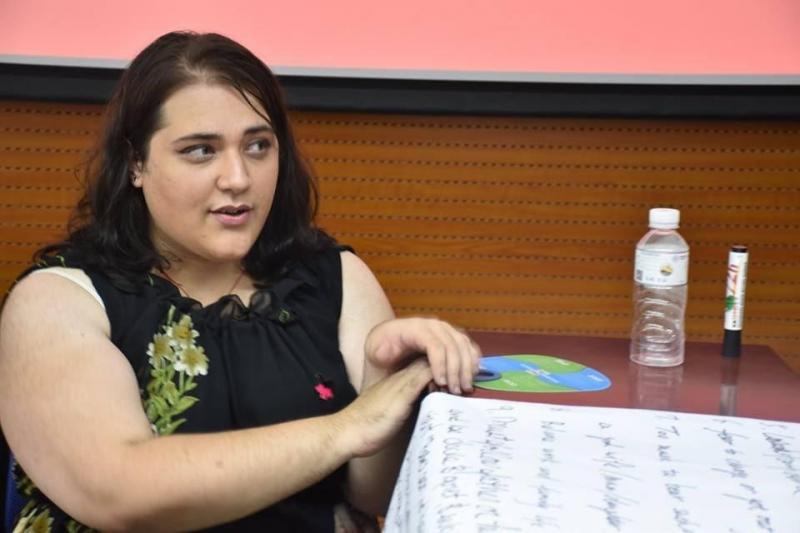
En China, Menke realizó un pasantía de cinco meses de duración con ONU Mujeres, que en su opinión fue «una experiencia extraordinaria en lugares extraordinarios». Durante ese tiempo, fue convocada por la Universidad de Tsinghua en Beijing como oradora invitada para el evento Lean In MBA donde, a través de su propia historia, habló (disponible en inglés) de la superación de las barreras con las que tropiezan las mujeres cuando quieren estudiar. Contó que «Fui criada en la pobreza por una madre soltera y tuve que hacer frente a muchos desafíos para avanzar en mi educación».

La motivación de Menke para superar diversos desafíos y luchar por el cambio fue, en buena parte, la ira que le despertaron los obstáculos que se le presentaban en el camino. «La ira puede ser destructiva, pero también puede ser creativa. Los desafíos me enfadan, pero también me empujan a luchar por algo mejor».

Luchar por algo mejor significa también tener muchos sueños «para todas las mujeres, sin importar si son blancas, negras, asiáticas o de cualquier otro color, credo o condición social». Menke desea que «el mundo valide a las mujeres», pues «nada es más movilizador como que te digan que eres un ser humano como cualquier otro».


Algunos datos más sobre Menke

Tuvo oportunidad de formar parte del equipo que ayudó a crear el Global Peace Centre Canada [GPCC, Centro Mundial para la Paz de Canadá] en Waterloo, fundado por el director de la Maestría en Estudios sobre Paz y Resolución de Conflictos, Ziauddin Yousafzai (padre de Malala Yousafzai). La visión y el objetivo del GPCC son lograr la paz y la educación para todos los niños y las niñas.

Menke nació en la Columbia Británica, creció en Quebec y actualmente reside en Ontario, Canadá. 

Lee un cuento escrito por Menke

Menke escribió un cuento titulado «Feeding Wolves», (disponible en inglés) basado en su vida como mujer métis y en las experiencias de los pueblos originarios en Canadá. Sobre el cuento, Menke expresó que «Solo tres de sus personajes son mujeres ... Eso lo hice a propósito no solo para poner en evidencia el tema del patriarcado que está muy presente en la sociedad de los colonos incluso hasta hoy, sino también para mostrar de qué manera las mujeres están ausentes de la narrativa...».
Source
AWID

« Je sais maintenant que nous sommes toutes et tous simplement des enfants de l’univers. »

« Je sais maintenant que nous sommes toutes et tous simplement des enfants de l’univers. »

Le parcours de Menke Meijer a été semé d’embûches. « On m’a mis une quantité inimaginable de bâtons dans les roues,  de nombreuses personnes ont tenté de m’arrêter. Mais ils ont seulement réussi à me faire déployer davantage d’énergie pour aller encore plus loin », déclare-t-elle. Son existence a été faite de force, de dévouement, de vision, de patience, de libération et, pour cela, elle a dû surmonter de multiples obstacles.


« Je dirais que je me bats sur deux fronts : le premier étant la lutte pour l’égalité de genre et le second, la lutte contre toute une histoire de colonisation et de racisme. »

Menke sur la Grande Muraille de Chine

Femme de la nation métis (lien en anglais) et « d’origine très pauvre », Menke a été confrontée à de nombreux obstacles, le défi le plus grand qu’elle ait eu à relever étant « le simple fait d’être une femme et, dans certains cas, d’être une femme aborigène ». Elle a souffert du sexisme et du racisme. La stigmatisation et les dangers qui prennent leur source dans le racisme ont pavé le chemin qui lui a permis de se positionner et de définir son identité de femme aborigène. « Les membres de ma famille étaient réticent-e-s à parler de nos origines » mais finalement, grâce aux efforts déployés par Menke, ils/elles ont « commencé à s’ouvrir sur ce sujet ». Pendant ses études universitaires de premier cycle et des cycles supérieurs, Menke a choisi de suivre tous les cours existants sur le thème des peuples des Premières Nations du Canada, dans le but d’en apprendre davantage sur ses origines.

« J’ai travaillé dur pour me décoloniser par moi-même et pour aider ma famille à se réapproprier son identité. »

Pour accomplir ce travail, Menke a notamment dû prendre des décisions, parmi lesquelles la plus grande et la plus importante a été « la décision de poursuivre (s)es études ». Elle était consciente du fait que ce choix « étaient un pari risqué, parce que les prêts étudiants créent un lourd endettement ». Mais elle savait aussi que, en comparaison avec les emplois au salaire minimum qu’elle avait occupés, le chemin qui s’ouvrait devant elle serait beaucoup plus gratifiant.

« J’ai fait le choix de vivre mes passions, quel qu’en soit le prix. Cela m’a changée dans le sens positif du terme, et cela a changé ma vie. »

Menke a obtenu une licence en histoire à l’Université Concordia de Montréal, et a remporté la bourse Gordon Ritchie, une récompense fondée sur le mérite. Mais, en étudiant l’esclavage, les guerres et les génocides, elle s’est sentie frustrée. En plus de se plonger dans les livres, elle voulait « agir ». Elle a donc décidé de préparer un master en études de la paix et des conflits à l’Université de Waterloo, son mémoire de master portant principalement sur les thèmes suivants : le genre dans les conflits et la consolidation de la paix, le genre dans l’aide humanitaire et, plus particulièrement, les femmes en Chine.

« Je suis la première femme des deux branches de ma famille à être titulaire d’une licence universitaire et d’un master. J’ai brisé les barrières du genre et de la race. Je ne me suis jamais sentie aussi vivante et aussi accomplie. Je me sens libérée. »

En Chine, Menke a effectué un stage de cinq mois au sein de l’ONU Femmes, « une expérience extraordinaire dans un environnement extraordinaire », déclare-t-elle. Pendant cette période, elle a été invitée par la Tsinghua University de Beijing à s’exprimer lors d’un événement Lean In destiné aux étudiant-e-s de MBA. Par le biais de sa propre histoire, elle a évoqué les moyens de forcer les « barrages » qui empêchent les femmes de poursuivre leurs études. Elle a notamment partagé sa propre histoire en ces mots : « j’ai été élevée dans la pauvreté par une mère célibataire. J’ai dû surmonter de nombreux obstacles pour parfaire ma formation. »

Dans son travail sur les moyens de surmonter des difficultés multiples et de tendre vers le changement, Menke a été motivée par la colère, celle qu’elle a ressentie face aux difficultés qu’elle a elle-même dû surmonter. « Le peur peut détruire, mais elle peut aussi être source de création. Les défis auxquels j’ai été confrontée m’ont mise en colère, mais ils m’ont aussi poussée à tendre vers le meilleur. »

C’est précisément parce qu’elle tend vers le meilleur que Menke a de nombreux rêves « pour toutes les femmes, qu’elles soient blanches, noires, asiatiques ou de n’importe quelle couleur, peu importent leurs convictions religieuses et leur chemin de vie. » Menke veut que « le monde reconnaisse les femmes », car « rien n’est plus touchant que de s’entendre dire qu’on est juste un être humain ».


Quelques éléments complémentaires au sujet de Menke

Elle a eu la possibilité de faire partie de l’équipe qui a contribué à la création du Global Peace Centre Canada (GPCC) de Waterloo, un projet mené à l’initiative du directeur du programme de master en études de la paix et des conflits, Ziauddin Yousafzai (le père de Malala Yousafzai). La vision et la finalité du GPCC sont la paix et l’éducation pour tous les garçons et toutes les filles.

Menke est née en Colombie-Britannique, a grandi à Québec et vit maintenant dans l’Ontario, au Canada. 

Lisez la nouvelle écrite par Menke

Menke a écrit une nouvelle intitulée « Feeding Wolves » (Nourrir les loups). Elle est basée sur sa vie de femme de la nation métis et sur le vécu des peuples aborigènes du Canada. À ce sujet, Menke a déclaré : « seuls trois des personnages sont des femmes… il s’agit d’un parti pris volontaire car je voulais aller plus loin que de simplement traiter du patriarcat, un thème encore très présent dans la société coloniale. Je voulais montrer que les femmes sont absentes du récit. »

Source
AWID

“Now I know we are all simply children of the universe.”

“Now I know we are all simply children of the universe.”

Menke Meijer’s path was often rocky. “I had mountains of sticks put in my wheels, people trying to stop me, but it has only helped me push harder and further”, she says. Her story is one of strength, dedication, vision, patience, liberation, and one of breaking down multiple barriers. 


“I would have to say I’m fighting two fronts: the first being the fight for gender equality and the second being the fight against a history of colonization and racism.”

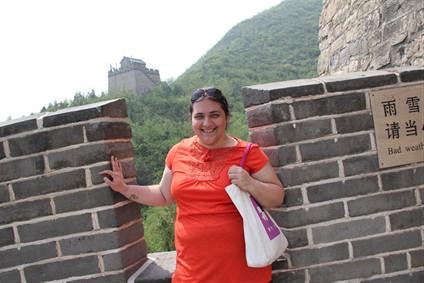
Menke at the Great Wall of China

As a Métis woman from a “very poor background”, Menke faced numerous obstacles, seeing her biggest challenge as “simply being a woman, and in certain cases being an aboriginal woman”. She has been confronted with sexism and racism. The stigma and dangers rooted in racism have influenced her way in finding her position and identity as an aboriginal woman. “My family was quite reluctant to speak about our origins” but eventually through Menke’s efforts they “started to open up on the subject.” During her undergraduate and graduate studies, Menke took all the courses she could on the subject of First Peoples in Canada in order to learn more about her origins.

“I’ve been working hard on decolonizing myself and helping my family in reclaiming our identities.”

Part of this work were decisions Menke took, and the biggest and most important being her “decision to pursue education”. She was aware that this “meant a dangerous gamble with hefty student debt” but she also realized that, in comparison to her previous experience in minimum wage work, this was a much more rewarding journey for her.

“I picked to pursue my passions no matter the hardship. It has changed who I am positively, as well as my life.”

Menke obtained a Bachelor’s degree in History from Concordia University in Montreal, winning a merit-based Gordon Ritchie Award/Scholarship. Yet, while studying about slavery, war, and genocide she felt frustrated and in addition to books, she wanted to “take action”. Menke decided to pursue a Master’s degree in Peace and Conflict Studies at the University of Waterloo, focusing her Master’s work on gender in conflict and peacebuilding, gender in humanitarian aid, and especially on women in China.

“I’m the first woman to hold a Bachelor’s and a Master’s degree on both sides of my family. I’m breaking down gender and racial barriers. I’ve never felt so alive and accomplished. I feel liberated.” 

In China, Menke completed a five-month internship with UN Women, for her “an extraordinary experience in extraordinary settings.” During this time, she was invited as a guest speaker at Tsinghua University in Beijing for the Lean In MBA event where, through her own story, she spoke about overcoming ‘roadblocks’ women face in seeking education. As part of her story she shared, “I was raised by a single mother in poverty and had to face many challenges to further my education”.

Much of Menke’s work towards overcoming multiple challenges and striving for change has been pushed by anger, coming from obstacles that were in her way. “Anger can be destructive, but it can also be creative. My challenges anger me, but they also push me to strive for better.”

Striving for better also means having many dreams “for all women, no matter they be white, black, Asian, or any colour, creed or walk of life”. Menke wants “the world to validate women” as “nothing is more moving than being told that you are just a human”.


A bit more about Menke

She had the opportunity to be part of a team that helped establish the Global Peace Centre Canada (GPCC) in Waterloo, initiated by the director of the Master’s of Peace and Conflict Studies program Ziauddin Yousafzai (and Malala Yousafzai’s father). The vision and goal of the GPCC are peace and education for all boys and girls.

Menke was born in British-Columbia, grew up in Quebec and is currently living in Ontario, Canada.

Read Menke’s short story

She wrote a short story entitled “Feeding Wolves”, based on her life as a Métis woman and aboriginal peoples’ experiences in Canada. About the story Menke said that “only three characters are female…I did this on purpose to not only expose a theme of patriarchy that is strongly present in settler society even to this day, but to show how the women are missing from the narrative...”

Region
North America
Source
AWID

Justicia legal para todxs

Justicia legal para todxs

El acceso a la justicia, entendido como un derecho fundamental de todas las personas, se encuentra consagrado en el artículo 8 sobre el «Derecho a un recurso judicial efectivo» de la Declaración Universal de Derechos Humanos. La triste realidad sin embargo muestra que en numerosos países de todo el mundo no es posible acceder con facilidad al sistema jurídico.


A menudo, las poblaciones marginadas y las personas que viven en la pobreza se enfrentan a muchos obstáculos para acceder a la justicia, como por ejemplo los costos elevados de los trámites legales, la discriminación y la falta de información en general. Por esto, el acceso a la justicia se ha convertido en una mercancía de las personas acaudaladas e influyentes más que en un derecho de toda la ciudadanía. En este sentido «como sociedad global no hemos avanzado verdaderamente después del feudalismo», afirma la Global Alliance for Legal Aid (GALA, la Alianza Mundial por la Asistencia Letrada).

Para cambiar algunas de las desigualdades imperantes en el acceso a la justicia, GALA — una asociación de juristas — presta asistencia jurídica gratuita y promueve los litigios de interés público para quienes más lo necesitan, en especial en los países del sur global.

«GALA: donde no hay activistas que sean islas».

Iniciativas mundiales en curso

En general, para determinados grupos e individuos resulta difícil encontrar asistencia letrada gratuita. Esto incluye a víctimas de la apropiación de tierras, de la contaminación ambiental o a quienes que padecen otros daños físicos producto de comportamientos ilegales gubernamentales o corporativos; a mujeres maltratadas que buscan presentar una demanda de divorcio; o a quienes han sido víctimas de estafa por prestadores de servicios financieros no regulados. Por ejemplo, como resultado de un esquema piramidal en Uganda, miles de personas han perdido millones de dólares. GALA actualmente representa a 3000 de las víctimas de ese esquema. Para ello trabaja con su contraparte local, la máxima autoridad de la Facultad de Comercio/Derecho de la Universidad de Makerere en Kampala.

«Las temáticas de las que se ocupa GALA cubren desde los litigios de interés público a favor de las víctimas de fraude financiero, hasta la prevención y la defensa contra la apropiación de tierras, la protección ambiental, la reforma penitenciaria, los derechos de las mujeres y las viudas, los derechos de las personas migrantes y la asistencia jurídica para personas pobres.»

GALA nos cuenta que en Uganda, como consecuencia del fraude cometido por falsas entidades de microfinanzas , «se suicidaron varias víctimas» y que «los delincuentes están viviendo en libertad, disfrutando de los frutos de su estafa y el Estado no los ha procesado». Esto se debe a que «han pagado a jueces y políticos, pero las personas pobres no pueden pagar para tener justicia». Además de trabajar en Uganda, GALA ha forjado una nueva alianza en Kuwait y tiene iniciativas en marcha en Granada.

Planes para establecer centros de asistencia letrada  

Además de las iniciativas actuales de GALA, la asociación planea extenderse a la India y a Grecia, la ‘cuna de la democracia’. Para GALA, que los tribunales griegos «exijan a las personas que desean hacer cumplir sus derechos que paguen un arancel en función del valor potencial del caso que interpongan» es sencillamente «antidemocrático e inconstitucional». Se trata sin dudas de un obstáculo para que las franjas más marginadas y pobres de la sociedad puedan realizar sus derechos. Por eso, uno de los proyectos que GALA está pensando desarrollar en Grecia consiste en la creación de centros de asistencia letrada.

«Lo que hemos encontrado hasta ahora es que en aquellos lugares en los que GALA está trabajando no existen clínicas ni profesionales que brinden asistencia letrada (gratuita)».

Esto requiere desde luego no solo mucha planificación sino además financiamiento. GALA está trabajando ahora en un estudio de viabilidad en Kampala y otro en Granada para comenzar a prestar asistencia jurídica y establecer sus propios centros. Es difícil de imaginar pero GALA nos dijo que en Granada (con una población de 100 000 habitantes) «no se presta ningún tipo de asistencia jurídica: existen únicamente 12 penalistas que defienden a personas acusadas» y ninguna Facultad de Derecho.

«La única universidad ‘local’ es en realidad una escuela de medicina de los Estados Unidos». GAL

Representante de derechos humanos (en Granada) Milton Coy y Jami Solli, Directora Ejecutiva de GALA

Frente a situaciones y contextos tan difíciles como los que describió GALA, la asociación comenzará desde cero pero con la determinación de brindar asistencia e información letradas “«tanto a las personas acusadas y que se encuentran cumpliendo prisión preventiva es espera del juicio, como a las víctimas de delitos». La asociación está considerando buscar el apoyo de estudiantes de derecho de otros países quienes trabajarían bajo la supervisión de un abogado o abogada local y de la Grenada Human Rights Association [Asociación de Derechos Humanos de Granada], afiliada a GALA.

En Uganda, GALA prevé que en 2016 podría comenzar a brindar asistencia jurídica a través de estudiantes de derecho bajo la supervisión de un profesor o profesora o profesional en ejercicio y a través de la contraparte local de GALA, la máxima autoridad de la Facultad de Comercio/Derecho de la Universidad de Makerere. ¡Mantente en contacto para conocer las novedades!

«El sabor de la justicia»

Para apoyar su misión, las iniciativas en curso y las planificadas, GALA vende productos basados en el principio de comercio justo y en este momento está ofreciendo café de Uganda a través de una alianza con Thanksgiving Coffee. GALA tiene pensado vender y distribuir otros productos elaborados a partir de ese mismo principio provenientes de cada uno de los países donde brinda asistencia letrada o presta apoyo para litigios de interés público. Aquí puedes visitar la tienda de café en línea de GALA. (en inglés)


Formas de contacto:

Source
AWID

Administrative Office

For administrative purposes you can contact our office at:

  • +1 416 594 3773
  • 192 Spadina Avenue, Suite 300 | Toronto, ON, M5T 2C2 | Canada

Вместе под Зонтом: Феминизм и Права Секс-Работниц/ков

Ассоциация «Права женщин в развитии» и Фонд «Красный зонт» приглашают Вас принять участие  в диспуте-семинаре на тему феминизма и секс-работы.


Вместе под Зонтом: Феминизм и Права Секс-Работниц/ков

10 ноября 2020г. в 14:00 по UTC (сверьтесь с вашим местным временем)

В рамках данной сессии, сотрудницы (-ки) Ассоциации «Права женщин в развитии» будут делиться своими знаниями и опытом работы в условиях виртуального общения. Мы поговорим об основных сложностях и интерсекциональности в работе секс-работниц (-ков) и феминисток (-ов).

Подумайте над своими вопросами!

Для участниц (-ков) будет предоставлен перевод на испанский, французский и русский языки.


Спикеры

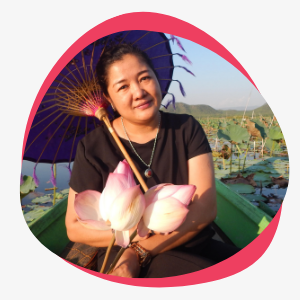
Кей Тхи Вин 

Кей Тхи является секс-работницей и с 2007 года лоббирует вопросы здоровья и прав секс-работниц (-ков). За последние девять лет она участвовала в программе по предупреждению ВИЧ среди женщин, работающих в секс-индустрии, и мужчин, имеющих половые связи с мужчинами, в Мьянме. В настоящее время Кей Тхи является региональной координаторкой  Азиатско-Тихоокеанской сети секс-работниц (-ков) (АТССР) и работает с партнерами по всему Азиатско-Тихоокеанскому региону.

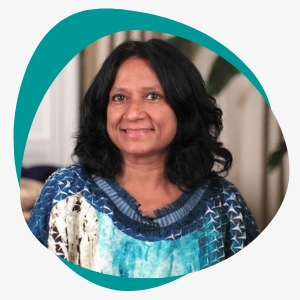
Гитанджали Мишра 

Гитанджали является соосновательницей и исполнительной директоркой организации CREA (Нью-Дели). Она феминистка и любительница кино, работала по вопросам сексуальности, репродуктивного здоровья, гендера, прав человека и насилия в отношении женщин на различных уровнях - в качестве активистки, грантодательницы и на директивном уровне.

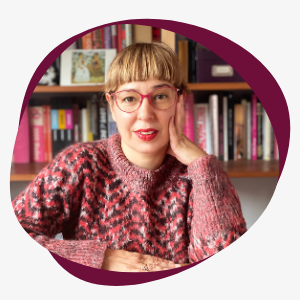
Вера Родригез

Вера присоединилась к фонду «Красный зонт» в августе 2017 года в качестве сотрудницы по программам. Вера родилась в Испании, где окончила факультет журналистики Университета Сан Пабло в Валенсии. Последние 7 лет она является активной участницей организации «X-talk», очень вовлечена в работу Коллектива Стриптизерш (-ров) Восточного Лондона, а также является участницей съемочной группы «Опера секс-работниц (-ков)».

Заинтересованы в том, чтобы вскоре стать частью этого диспут-семинарa и других обучения?!

Присоединяйтесь сейчас как участница/участник!

Ika Vantiani

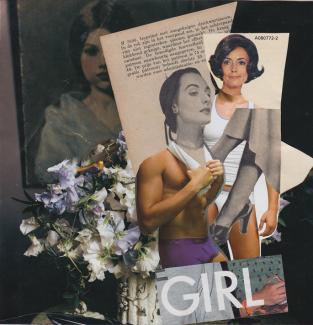
Bunga-Transgirl are girl, Analog collage, 2020

Bunga or flower in English is something that is often associated with women in Indonesia. Meaning, a flower can also be associated with transgender women. Because transgender women are women. As beautiful, as strong, and they both lived not only waiting to be 'picked' but instead grew and bloom and died as they pleased. This work is a tribute to my transgender women friends on The International Transgender Day of Visibility. 

About Ika Vantiani 

Ika Vantiani portrait

Ika Vantiani is an Indonesian artist, curator and crafter based in Jakarta. Her works explores the idea of being a woman in today’s society with the intertwined between media and consumption. Ika uses the discipline of collage and expands it into workshop, installation, and street art. Ika is the member of artist collectives including Micro Galleries, The Collage Club and It’s In Your Hands Collective.  

Join our mailing lists

* indicates required
Send me information about


كلمة العدد

ترجمة رولا علاء الدين

كلمة العدد

فقدان الكلام  

Ghiwa Sayegh
Chinelo Onwualu

غوى صايغ

تشينيلو أونوالو


«لمّا نكون مُستَقتِلين للتغيير، لِكوننا في حالة مرضٍ وتمرّدٍ في آنٍ واحد، تخلو لغتنا من التعقيد وتنصقل لتعكس أبسط ركائزها. (...) لكن، ومع استمرار المرض والثورة، تصبح اللغة المُصاغة في هذه الحالة وعنها أكثرَ عمقاً وأكثرَ تعبيراً عن الفوارق الدقيقة، وتكون منغمسة انغماساً شديداً في التجربة الإنسانية التي يواجه فيها المرءُ حدودَه عند نهاية العالم».
  - جوانا هيدفا 


بدأنا التخطيط لعدد المجلّة هذا مع نانا داركوا قُبيل مهرجان «ابدعي، قاومي، غيٍّري: مهرجان للحراكات النسوية» لجمعية «حقوق المرأة في التنمية» AWID، وانطلقنا وقتها من سؤالٍ هو بالأحرى ملاحظة حول حالة العالم، ورغبة في تغيير الاعتقادات السائدة: لماذا لا تزال جنسانيّاتنا وملذّاتنا تخضع للترويض والتجريم مع أنّه يتمّ تذكيرنا مراراً وتكراراً بأنّها لا تأتي بأيّ قيمة أو تطوّر؟ واستنتجنا أنّ جنسانيّاتنا، لمّا تتجسّد، فيها ما يتعارض مع النظام العالمي الذي ما زال يتجلّى من خلال ضوابط الحدود، والتمييز العنصري في توزيع اللقاح، والاستعمار الاستيطاني، والتطهير العرقي، والرأسمالية المُستشرية. هل يمكننا إذاً القول إنّ لجنسانيّاتنا قدرةٌ تعطيليّة؟ وهل يصحّ هذا القول عندما ننظر إلى واقع حركاتنا التي يتمّ الاستيلاء عليها ومأسستها في سعيها للتزوّد بالموارد؟

عندما يصبح عملنا المتجسّد مادةً ربحية في أيدي الأنظمة التي نسعى إلى إزالتها فلا عجب أنّ جنسانيّاتنا وملذّاتنا توضَع جانباً من جديد، لا سيّما أنّها ليست مُربِحة بما فيه الكفاية. لقد تساءلنا، في مواقف عدّة خلال إنتاج هذا العدد، ما الذي سيحدث إذا رفضنا مراعاة خدمات الرأسمالية الأساسية؟ لكن هل نجرؤ على هذا التساؤل وقد أنهكنا العالم؟ ربما يتمّ تجاهل جنسانيّاتنا بهذه السهولة لأنها لا تُعتَبَر أشكالاً من أشكال الرعاية. ربما ما نحتاجه هو أن نعيد تصوّر الملذّة كشكلٍ من أشكال الرعاية الجذرية، تكون أيضاً مناهضة للرأسمالية وللمؤسساتية.

بدأنا العام الثاني على التوالي لحالة الجائحة العالمية وكان لا بدّ أن تركّز مقاربتنا للتجسيدات العابرة للحدود القومية على ملاحظة سياسيّة واحدة: أنّ الرعاية هي شكل من أشكال التجسيد. وبما أنّ جزءاً كبيراً من عملنا يتمّ حالياً من دون أيّ اعتبار للحدود بيننا وفينا فنحن جميعاً متجسّدون بشكلٍ عابرٍ للحدود القومية، ونحن جميعاً نفشل. نحن نفشل في رعاية ذاتنا، والأهمّ أننا نفشل في رعاية الآخرين. 

هذا الفشل ليس من صنع أيدينا.

إنّ الكثير من أهالينا اعتبروا العملَ مقايضةً، أي أنّه شيءٌ يُعطى مقابل أجرٍ وضمانة بالحصول على الرعاية. صحيحٌ أنّه تمّ الإخلال بهذه المقايضة أحياناً، لكنّ أهالينا ما كانوا يأملون أنّ عملهم سيوفّر لهم الرِضا الذاتي، وكانوا يعتمدون لهذا الغرض على نشاطهم الترفيهي وهواياتهم ومجتمعاتهم. أمّا اليوم، فنحن، أولادهم الذين تمّت تهيأتنا لنعتبر العمل متشابكاً مع الشغف، توقّعاتنا مختلفة تماماً. نحن لا نفرّق بين العمل والترفيه ونعتبرهما عنصراً واحداً، وبالنسبة للكثيرين بيننا، العمل بات يجسّد الذات بكاملها.

إنّ الرأسمالية القائمة على الأبويّة والمغايَرة الجنسية لا ترى لنا أيّ قيمة، ناهيك عن عملنا وجنسانيّاتنا. إنّه نظامٌ سيستمر في طلب المزيد والمزيد منك إلى يوم مماتك، وبعدها سيستبدلك بشخصٍ آخر. يُنتَظَر منّا أن نكون على اتصال بالإنترنت في كلّ الأوقات، ما يعني أنّه لا يمكننا الانصراف عن العمل حتى لو شئنا ذلك. إنّ هذا التَتْجير للعمل وفصله تماماً عن الشخص قد تسلّل إلى كلّ ناحية من نواحي حياتنا، ويتمّ ترسيخ هذا التَتْجير حتى في الأوساط الأكثر نسويّة والأكثر تمرّداً وتشدّداً.

لطالما حمَلَت تطلّعات الرأسمالية ضرراً كبيراً بالأجساد التي لا تتوافق مع النموذج المثالي، وأولئك الذين يسعون إلى ترسيخ سلطتهم استغّلوا الجائحة كفرصة لاستهداف النساء والأقلّيات الجنسية وكلّ مَن يعتبرونه دون المستوى.

تمّ إعداد هذا العدد الخاص بفعل هذا الواقع، وطبعاً، رغماً عن هذا الواقع.

لقد قدّم المساهمون/ المساهمات والعاملون/ العاملات كلّهم تقريباً مجهوداً يفوق طاقاتهم، وكلٌّ من الأعمال الواردة هنا هو نتاجُ سعيٍ شغوف ولكن أيضاً نتاج حالة إنهاكٍ شديد. 

يشكّل هذا العدد، بطريقة غايةً في الواقعية، تجسيداً للعمل العابر للحدود القومية، علماً أنّ أيّ عمل في عصرنا الرقمي أصبحَ عابراً لتلك الحدود. وفيما فُرِضَ علينا تقبّل حدود جديدة، وهي حدود لا تخالف النظام القائم سابقاً بل تعزّزه، اختبرنا مباشرةً، إلى جانب مساهمينا، كيف تستنزف الرأسمالية طاقاتنا القصوى – كيف يصبح من الصعب بناء الحجج المتماسكة لا سيّما حينما تكون خاضعة لموعد التسليم. إننا نعاني بشكلٍ جَماعي من فقدان الكلام لأننا أساساً نعاني من فقدان العوالم.

الشعور بالضياع والوحدة في عالم الرأسمالية القائمة على الأبوية والمغايَرة الجنسية هو بالتحديد ما يجعل من الضروري أن نعيد تقييم أنظمة الرعاية التي نتّبعها وأن نُعيد النظر فيها. لقد حوّلنا هذا العدد بوسائل عدّة إلى مهمّة لإيجاد الملذّة في الرعاية. فبما أنّه بات من الصعب بناء الحجج المتماسكة، برزت الوسائط البصرية والمبتكرة وقد لجأ كثرٌ ممن اعتادوا الكتابة إلى هذه الوسائط كطرقٍ لإنتاج المعرفة واختراق الضباب الفكريّ الذي أحاط بنا. لقد ضمّينا في هذا العدد أصواتاً أخرى، بالإضافة إلى أصواتٍ عدّة استمعتم إليها في المهرجان، كوسيلة لإطلاق حوارات جديدة وتوسيع آفاقنا.

بما أنّ كلماتنا قد سُرِقَت منّا، يقضي واجبنا السياسي بأن نستمر في إيجاد الوسائل للحفاظ على أنفسنا والآخرين والاهتمام بأنفسنا وبالآخرين. بالتالي، يصبح تجسّدنا نوعاً من المقاومة إذ هو بداية إيجادنا لسبيل الخروج من الذات ودخولها.


Cover image for Communicating Desire
 
Explore Transnational Embodiments

This journal edition in partnership with Kohl: a Journal for Body and Gender Research, will explore feminist solutions, proposals and realities for transforming our current world, our bodies and our sexualities.

Explore

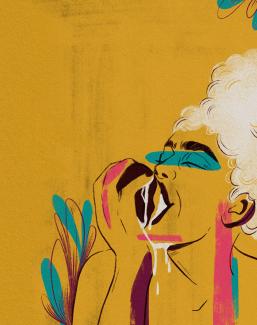
Cover image, woman biting a fruit
 

التجسيدات العابرة للحدود

نصدر النسخة هذه من المجلة بالشراكة مع «كحل: مجلة لأبحاث الجسد والجندر»، وسنستكشف عبرها الحلول والاقتراحات وأنواع الواقع النسوية لتغيير عالمنا الحالي وكذلك أجسادنا وجنسانياتنا.

استكشف المجلة

Love letter to Feminist Movements #5

Sudanese Feminists: "A Revolution within the Revolution"

"I have been subjected to sexual violence, physical injuries and other forms of violence while protesting at the frontlines. But I will never stop until we achieve complete civilian rule in Sudan. We must stop militarization of the state. Our bodies should not be treated as battlegrounds any longer."

Said Amal*, a 23 years old woman protester.** 

During the last 4 years women led the revolution in Sudan. Their leadership wasn't just on streets, but they were the power driving the consistent resistance at all levels. Women and young feminists became the alerted consciousness of the Sudanese change and democratization movement. Since the first protest against the former regime in Aldmazein town in the conflict area of Blue Nile on December 13th, 2018, young school girls were the voices demanding the end of the rule of the 30 years dictatorship of military and Muslim Brotherhood. 

Love letter to feminist movements from Your dramatically cloaked jungle nymph.

The feminist movement led by young women aging 16 to 35, has established a revolution within the revolution in Sudan in the last 4 years of non stop revolution. The strong voices of young women occupying spaces on streets, social media, civil society and political organizations were high enough to reshape the public opinion and challenge social norms. Discussions of sexual and gender based violence and taboos of domestic violence and male dominant decisions making process became mainstream debates for the first time in Sudan history. Women Football teams appointed spokeswomen for resistance committees, and women led professional unions are part of the manifestation of the new wave of feminist movement in Sudan. Young women identifying as feminist proudly and publicly is the most important achievement in a country ruled by fundamentalist Islam for 3 decades. Young men supporting feminist activism, and identifying as feminist is another progress worth noting. 

This progress is not cost free, it is also not perfect. Feminist activists, groups and activists face the same challenges we expect in a conservative, and conflict affected contexts. But the impact of the young feminists movement in Sudan is worth of looking up to. Overcoming internal boundaries of diverse cultures, religions, and conflicts history is a challenge, but young feminists in Sudan seems to work hard to bridge the gaps. Creation of feminist schools in Darfur and Kordofan is something that makes the work of young feminists in Sudan a unique journey worth to learn from. 

The young women leading these efforts and the women groups working on the ground cannot be mentioned here due to several security concerns under the current military coup. But their resilience, strength and courage is one for the history books. The audacious young women leading resistance on streets, behind screens, and working in different professions and activism fields are shaping the future of Sudan. The young feminists in Sudan are creating new spaces for a feminist narratives and discourses to restructure the distribution of power at political, economical and social aspects.

Despite the immense violence, reemergence of fundamentalist Islam, militarization and shrinking civic spaces, feminist activists in Sudan remain rooted in their sisterhood. They remain a great inspiration for the feminist movements globally. 


Nazik Awad


* Amal is a pseudonym used to protect the young activist quoted. 
** Sudan is living under constant revolution since 2018. A new wave started after the military coup on October 25th 2021. 

The world came to my home: Tidinha’s story

Cover image for story 2: The world came to my home: Tidinha’s story

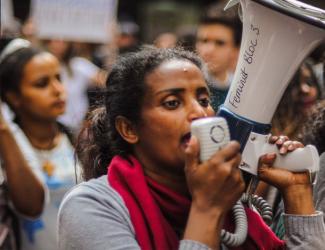
How do you react when the world seemingly descends upon you? For Tidinha, it is one where she found herself being able to be heard as she questions the choice of location, while also discovering shared visions and dreams and realizing that she is not alone.

Download this story


In her own voice: watch the interview with Tidinha


View all stories Download Full Report