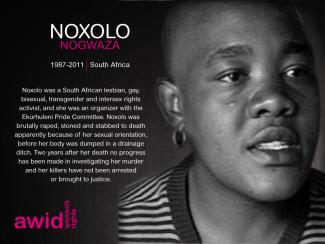
Noxolo Nogwaza
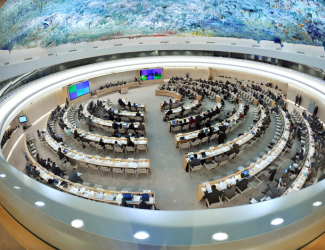
The Human Rights Council (HRC) is the key intergovernmental body within the United Nations system responsible for the promotion and protection of all human rights around the globe. It holds three regular sessions a year: in March, June and September. The Office of the UN High Commissioner for Human Rights (OHCHR) is the secretariat for the HRC.
Debating and passing resolutions on global human rights issues and human rights situations in particular countries
Examining complaints from victims of human rights violations or activist organizations on behalf of victims of human rights violations
Appointing independent experts (known as “Special Procedures”) to review human rights violations in specific countries and examine and further global human rights issues
Engaging in discussions with experts and governments on human rights issues
Assessing the human rights records of all UN Member States every four and a half years through the Universal Periodic Review
AWID works with feminist, progressive and human rights partners to share key knowledge, convene civil society dialogues and events, and influence negotiations and outcomes of the session.
“It’s the indigenous knowledge and the practices that have always supported food sovereignty and this knowhow is in the hands of the women … Ecofeminism for me is the respect for all that we have around us.”
Mariama Sonko
Interview to The Guardian
As the WITM survey is focused on resourcing realities for feminist organizations, most questions ask about your group’s funding between 2021–2023. You will need to have this information with you to fill out the survey (e.g., your annual budgets and key sources of funding).
Un lugar de trabajo no tiene que operar sobre la base de la competencia y las ganancias. No tiene que explotar a la gente en beneficio de unx dueñx o pequeña élite.
Las comunidades vulnerabilizadas al margen de las economías formales han ido construyendo modelos cooperativos alternativos basados en la autonomía, la cooperación, la corresponsabilidad, la autogestión y la solidaridad.
Las cooperativas y lugares de trabajo autogestionados por lxs trabajadorxs siempre han ofrecido formas alternativas de generar oportunidades de empleo, ingresos, seguridad social y ahorros y, al mismo tiempo, distribuir los ingresos de formas más comunitarias, sostenibles y seguras.
Pero es más que una oportunidad de empleo: es hacer realidad los sueños y construir economías feministas basadas en la solidaridad y el cuidado mutuo. Es crear un mundo donde nuestras vidas, nuestro trabajo y nuestras comunidades importen.
Esta es la historia de la Cooperativa Textil Nadia Echazú, la primera cooperativa creada y dirigida por y para personas travesti y trans en Argentina.
Sí, es absolutamente confidencial. Tus respuestas se borrarán al término del procesamiento y el análisis de los datos, y se utilizarán únicamente a los fines de la investigación. Los datos NUNCA se compartirán fuera de AWID y solo los procesarán el personal y consultorxs de AWID abocadxs al proyecto ¿Dónde está el dinero?
Damos prioridad a tu privacidad y anonimato. Los detalles de nuestra política de privacidad se encuentran disponibles aquí.
1 personne trans et travesti sur 3 en Argentine vit dans un ménage à faible revenu.
Notre objectif est de recueillir 2 000 réponses à l’enquête, soit près du double de la dernière enquête WITM de 2011.

Основываясь на 20-летней истории привлечения более объемного и качественного финансирования для достижения социальных изменений под руководством феминисток(-ов), AWID приглашает вас принять участие в новом опросе:
(далее – «Где деньги?»)
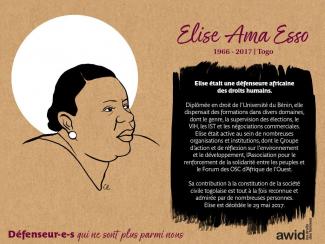
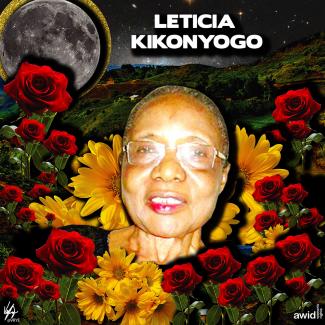
Пожалуйста выберите язык, на котором вы хотите отвечать на вопросы в правом верхнем углу страницыAvant de prendre sa retraite, elle a occupé de nombreux postes de haut niveau, notamment celui de membre de la cour d’appel et juge en chef adjointe de l’Ouganda. Elle a été la première femme ougandaise à occuper le poste de magistrat en chef entre 1973 et 1986 et la première femme à être nommée juge à la Haute Cour de justice en 1986.
Elle fut l'une des premières femmes à recevoir le titre de chevalier pontifical de l'histoire de l'Église catholique en Afrique. Elle est morte d'une crise cardiaque.

Para reivindicar o seu poder como especialista sobre o estado dos recursos de movimentos feministas;
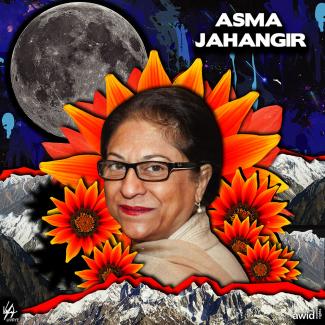
Asma was a leading Pakistani rights activist, fearless critic of the military’s interference in politics and a staunch defender of the rule of law.
She was the founding chairwoman of the Human Rights Commission of Pakistan, an independent group, and was a trustee of the International Crisis Group. She won international awards and served as the United Nations rapporteur on human rights and extrajudicial killings.
She is remembered fondly by colleagues and friends at AWID
“With her life, Asma rewrote the history that many of us were told as women. Asma changed the world. She changed it in Pakistan, and she changed it in our imaginations."