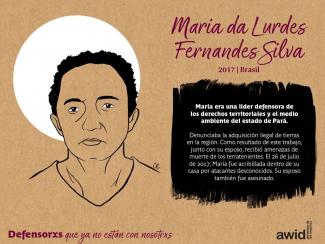
Maria da Lurdes Fernandes Silva
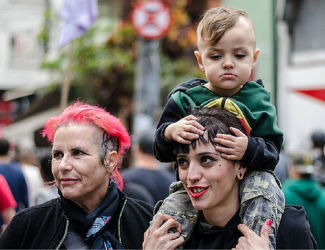
Over the past few years, a troubling new trend at the international human rights level is being observed, where discourses on ‘protecting the family’ are being employed to defend violations committed against family members, to bolster and justify impunity, and to restrict equal rights within and to family life.
The campaign to "Protect the Family" is driven by ultra-conservative efforts to impose "traditional" and patriarchal interpretations of the family, and to move rights out of the hands of family members and into the institution of ‘the family’.
Since 2014, a group of states have been operating as a bloc in human rights spaces under the name “Group of Friends of the Family”, and resolutions on “Protection of the Family” have been successfully passed every year since 2014.
This agenda has spread beyond the Human Rights Council. We have seen regressive language on “the family” being introduced at the Commission on the Status of Women, and attempts made to introduce it in negotiations on the Sustainable Development Goals.
AWID works with partners and allies to jointly resist “Protection of the Family” and other regressive agendas, and to uphold the universality of human rights.
In response to the increased influence of regressive actors in human rights spaces, AWID joined allies to form the Observatory on the Universality of Rights (OURs). OURs is a collaborative project that monitors, analyzes, and shares information on anti-rights initiatives like “Protection of the Family”.
Rights at Risk, the first OURs report, charts a map of the actors making up the global anti-rights lobby, identifies their key discourses and strategies, and the effect they are having on our human rights.
The report outlines “Protection of the Family” as an agenda that has fostered collaboration across a broad range of regressive actors at the UN. It describes it as: “a strategic framework that houses “multiple patriarchal and anti-rights positions, where the framework, in turn, aims to justify and institutionalize these positions.”
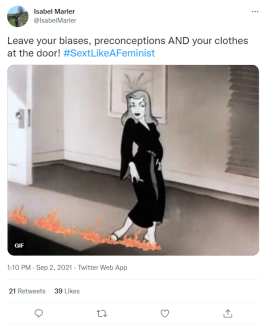
ممنوع الدخول قبل التخلّص من أي شكل من أشكال التحيّز و/أو الأحكام المُسبقة و/أو الاحتشام!
Absolutamente; esas preguntas son opcionales y valoramos tu derecho a la anonimidad. Te pedimos que respondas la encuesta independientemente de tu decisión de compartir el nombre de tu agrupación, organización o movimiento y la información de contacto con AWID.
Khaoula Ksiksi est une fervente défenseuse de la justice, de l’équité et de la libération. Dans son rôle de conseillère en matière de genre, d’égalité, de diversité et d’inclusion (GEDI), elle œuvre à faire de l’inclusion une réalité concrète, pas simplement un concept politique, au sein des programmes humanitaires et des interventions en situation de crise. Elle collabore avec diverses équipes pour combattre l’oppression structurelle en déployant des approches audacieuses et transformatrices qui s’appuient sur les expériences vécues.
Son activisme a débuté au cœur du mouvement antiraciste tunisien. Au sein de l’organisation Mnemty, elle a contribué à l’adoption de la première législation anti-discrimination du pays, obligeant la société tunisienne à reconnaître l’existence de l’injustice raciale. Par la suite, elle a co-fondé le collectif Voix des Femmes Tunisiennes Noires, une initiative visant à valoriser le leadership des femmes noires, à développer des réseaux de solidarité et à revendiquer une visibilité dans une société qui tend à les réduire au silence.
Khaoula est également l’une des fondatrices de Falgatna, un mouvement queer-féministe radical qui œuvre pour la défense des droits OSIGEGCS, tout en apportant son soutien aux communautés LGBTQI+ par des actions directes, des stratégies de cyberrésistance et un plaidoyer centré sur les survivant·es.
Auparavant, elle a dirigé des projets régionaux féministes et de justice climatique à la Fondation Rosa Luxemburg en Afrique du Nord et de l’Ouest.
Son travail est guidé par une conviction profonde : personne n’est libre tant que nous ne le sommes pas toustes. Son activisme est à la fois un combat et une lettre d’amour à son peuple, à ses communautés et au monde que nous méritons.
As part of our commitment to engage more deeply with artists and the practice of co-creating Feminist Realities, AWID collaborated with an Artist Working Group to advance and strengthen feminist agendas and realities in their communities and movements through their creative expression. Our intention here is to bring feminist creatives together in a powerful and brave space where they grow and live freely, and where they shatter toxic narratives to replace them with transformative alternatives.
This exhibition gathers the work of artists and collectives from across the globe, those who are actively creating the difference that we want to see in the world. These feminist creatives include Upasana Agarwal, Nicole Barakat, Siphumeze Khundayi, Katia Herrera, Ali Chavez Leeds, Colectivo Morivivi, Ika Vantiani, and the curators behind the #MeToo in China exhibition. Their voices stand strong in their refusal to accept the limitations imposed by patriarchy, and amplify their commitments to the communities they are working in and with. In their own way, each artwork represents daily acts of resistance, untold stories and identities, connections to land and ancestry, and most importantly, the solidarity that exists within and amongst feminist movements and struggles. These artists are both inspired by and inspire creative strategies of feminist resistance and initiatives that show us how we can all live in a more just world - a world that centers care and healing.
L’analyse des réponses nous permettra de tirer des conclusions et de définir des tendances. Les résultats seront présentés à l’occasion du 15e Forum international de l’AWID à Bangkok, et en ligne, en décembre 2024. Inscrivez-vous ici pour participer au Forum!
Cinthia a collaboré avec des ONG au Mexique, au Pérou et en Équateur sur des projets liés à la mobilité humaine, à l’environnement et au plaidoyer politique, en recourant à la narration transmédia et au développement web. Elle est titulaire d’un master en anthropologie visuelle de la FLACSO Équateur et d’un diplôme en animation et arts numériques de l’Institut technologique de Monterrey. Elle adore expérimenter avec le code et les médias visuels pour créer de nouvelles formes de narration et continuer à explorer les liens entre l’art, la technologie et le changement social.
Prior to her retirement, she held many high profile positions including member of the Court of Appeal of Uganda and Deputy Chief Justice of Uganda. She was the first Ugandan woman to hold the position of Chief Magistrate between 1973 and 1986 and the first woman to be appointed High court judge in 1986.
She was one of the first ever women papal knights in the history of the Catholic Church in Africa. She died of a heart attack.
Esta edición en alianza con Kohl: una publicación para Body and Gender Research analizará soluciones, propuestas y realidades feministas para transformar nuestro mundo actual, nuestros cuerpos y nuestras sexualidades.

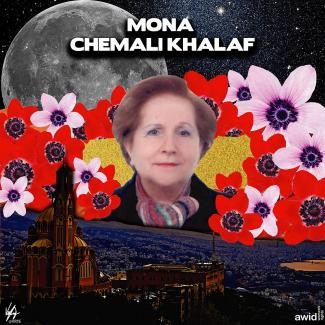
Mona fue una economista y consultora independiente sobre temas de género y desarrollo.
Fue profesora de economía y Directora del Institute for Women's Studies in the Arab World de la Lebanese American University. Falleció repentinamente el 6 de enero de 2018.
Sus amigxs y ex-colegas dicen sobre Mona: «Cuando celebramos su vida, lo mejor que podemos hacer es comprometernos a continuar con lo que ella empezó: la igualdad de género, indefectiblemente.
Merci de bien vouloir parcourir les propositions existantes avant de soumettre vos idées. Quelqu'un pourrait déjà avoir pensé à une proposition similaire! Envoyez votre proposition à contribute@awid.org.
Nous examinerons et inclurons les nouvelles propositions qui nous parviendront au fur et à mesure sur cette page Web.

لتقوية صوتنا وقوتنا الجماعية لنصل لتمويل أكبر وأفضل للتنظيمات النسائية والنسوية وحركات الميم - عين وحلفائها/يفاتها عالمياً
El enfoque principal de nuestro trabajo es mundial y trabajamos en estrecha colaboración con nuestra membresía y otras organizaciones de derechos de las mujeres y aliadxs del ámbito local, nacional y regional para que sus realidades nutran con información la labor que realizamos.