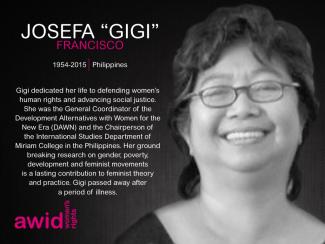
Josefa "Gigi" Francisco
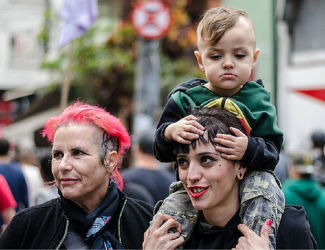
Over the past few years, a troubling new trend at the international human rights level is being observed, where discourses on ‘protecting the family’ are being employed to defend violations committed against family members, to bolster and justify impunity, and to restrict equal rights within and to family life.
The campaign to "Protect the Family" is driven by ultra-conservative efforts to impose "traditional" and patriarchal interpretations of the family, and to move rights out of the hands of family members and into the institution of ‘the family’.
Since 2014, a group of states have been operating as a bloc in human rights spaces under the name “Group of Friends of the Family”, and resolutions on “Protection of the Family” have been successfully passed every year since 2014.
This agenda has spread beyond the Human Rights Council. We have seen regressive language on “the family” being introduced at the Commission on the Status of Women, and attempts made to introduce it in negotiations on the Sustainable Development Goals.
AWID works with partners and allies to jointly resist “Protection of the Family” and other regressive agendas, and to uphold the universality of human rights.
In response to the increased influence of regressive actors in human rights spaces, AWID joined allies to form the Observatory on the Universality of Rights (OURs). OURs is a collaborative project that monitors, analyzes, and shares information on anti-rights initiatives like “Protection of the Family”.
Rights at Risk, the first OURs report, charts a map of the actors making up the global anti-rights lobby, identifies their key discourses and strategies, and the effect they are having on our human rights.
The report outlines “Protection of the Family” as an agenda that has fostered collaboration across a broad range of regressive actors at the UN. It describes it as: “a strategic framework that houses “multiple patriarchal and anti-rights positions, where the framework, in turn, aims to justify and institutionalize these positions.”
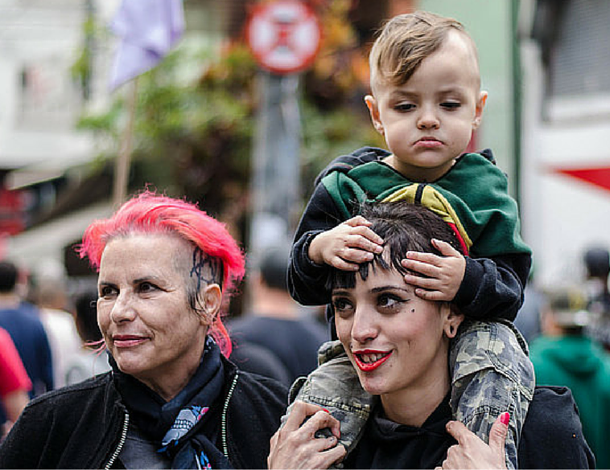
Activists reflection & solidarity circle
✉️ By registration only. Register here
📅 Friday, March 14, 2025
🕒 12.00-2.00pm EST
🏢 Blue Gallery, The Blue Building, 222 East 46th Street
🎙️Facilitated by: Gopika Bashi, AWID Director of Programs
Organizer: Count Me In! Consortium
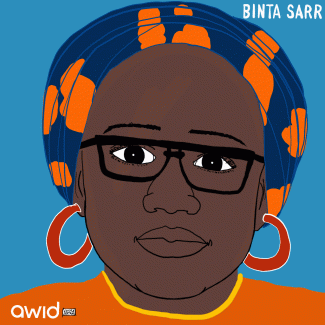
Binta Sarr was an activist for social, economic, cultural and political justice, and a hydraulic engineer in Senegal. After 13 years in civil service, she left this path to work with rural and marginalized women.
Out of this engagement grew the Association for the Advancement of Senegalese Women (APROFES), a grassroots movement and organization Binta founded in 1987. One of her main approaches was leadership training, relating not only to economic activities but also to women's rights and access to positions of decision-making.
“Grassroots populations must organize, mobilize, assume citizen control and demand democratic governance in all sectors of public space. The priority of social movements must go beyond the fight against poverty and must be focused on articulated and coherent development programs in line with human rights principles, while taking into account their needs and concerns both at the national and sub-regional levels and from a perspective of African and global integration.” - Binta Sarr
Rooted in Binta’s conviction that fundamental change in women’s status requires transformation in male attitudes, APROFES took an interdisciplinary approach, using radio, seminars and popular theatre, as well as providing innovative public education and cultural support for awareness-raising actions. Its popular theatre troupe performed original pieces on the caste system in Senegal, alcoholism, and conjugal violence. Binta and her team also looked at the crucial connection between the community and the broader world.
“For APROFES, it is a question of studying and taking into account the interactions between the micro and the macro, the local and the global and also, the different facets of development. From slavery to colonization, neocolonialism and the commodification of human development, most of the resources of Africa and the Third World (oil, gold, minerals and other natural resources) are still under the control of financial cartels and other multinationals that dominate this globalized world.” - Binta Sarr
Binta was one of the founding members of the female section of the Cultural and Sports Association Magg Daan. She received commendations from the Regional Governor and the Minister of Hydrology for her "devotion to rural people."
Born in 1954 in Guiguineo, a small rural town, Binta passed away in September 2019.
“The loss is immeasurable, the pain is heavy and deep but we will resist so as not to mourn Binta; we will not mourn Binta, we will keep the image of her broad smile in all circumstances, to resist and be inspired by her, maintain, consolidate and develop her work…” - Aprofes Facebook page, September 24, 2019
"Farewell Binta! We believe your immense heritage will be preserved." - Elimane FALL, president of ACS Magg-Daan
Les inscriptions commenceront début 2024. Nous annoncerons bientôt la date exacte et les tarifs d'inscription. L'inscription comprendra la participation au Forum, et inclura le déjeuner et les collations (le petit-déjeuner sera fourni par les hôtels), ainsi qu’un dîner sur place.
I know you are so close. You can feel it can't you? How things need to shift and you need to centre yourself.

This is a letter to tell you to do it. Choose your healing. Choose to be OK. Better than OK. Choose to be whole, to be happy. To cry tears for yourself and no one else. Choose to shut out the world and tell them that 'you will be back in 5 mins'. Or five days. Or five years.
Or never.
Choose to not take it all on. Choose to take none of it on. Because none of it is yours. It was never yours. They told you since you were born that it was yours. Your family's problems. Your lovers' problems. Your neighbours' problems. The globe's problems. The constant whisper that these problems belong to you. They are yours. Yours to hold, yours to shoulder. Yours to fix.
That was a lie.
A bamboozle
A long con.
A scam.
The problems of the universe are not yours.
The only problems that are yours are your own. Everyone else can take a hike.
Allow yourself to drop everything and sprint off into the jungle. Befriend a daisy clad nymph, start a small library in the roots of a tree. Dance naked and howl at the moonlight. Converse with Oshun at the river bed.
Or simply drink a cup of tea when you need to take a moment to breathe.
Give yourself permission to disappear into the mist and reappear three countries over as a mysterious chocolatier with a sketchy past and penchant for dramatic cloaks and cigars.
Or stop answering work calls on weekends.
Let yourself swim to deserted island with a lover and dress only in the coconut shells from coconut rum that you make and sip at sunset.
Or say no when you don't have the capacity to create space for someone.
The options for holding yourself are endless.
Whatever you do, know the world will always keep spinning. That's the beauty and the pain of it. No matter who or what you choose over yourself and your soul the world will always keep spinning.
Therefore, choose you.
In the morning when that first light hits, choose you. When it’s lunchtime and it’s time to cry on company time, choose you. In the evening, when you are warming up leftovers because you didn’t have time to cook again, choose you. When anxiety wakes you up and existence is silent at 3:45 am.
Choose you.
Because the world will always keep twirling on a tilt and you deserve to have someone always trying to make it right side up for you.
Love,
Your dramatically cloaked jungle nymph.
Una red compleja de actores anti-derechos, en constante evolución, está ejerciendo cada vez más influencia en los espacios internacionales y en las políticas nacionales. Respaldados a menudo por financiaciones poco transparentes, estos actores construyen alianzas tácticas sobre distintos temas y cruzando diferentes regiones y credos para aumentar su impacto.

Filter for funders that support initiatives in your geographical area.
Laurie Carlos fue una actriz, directora, bailarina, dramaturga y poeta estadounidense, una artista y visionaria extraordinaria que tenía un poderoso don para hacer surgir el arte en otras personas.
«Laurie entraba en una habitación (cualquier habitación/todas las habitaciones ) con clarividencia arremolinada, con genio artístico, rigor corporizado, con un realismo feroz— y con la determinación de ser libre... y de liberar a otrxs. Una hacedora de magia. Una vidente. Alguien que cambiaba de formas. Laurie me dijo una vez que entraba en los cuerpos de las personas para descubrir qué necesitaban.» - Sharon Bridgforth
Combinaba estilos de actuación tales como gestos rítmicos y texto. Laurie era mentora de nuevxs actorxs, performers y escritorxs, y ayudaba a difundir su trabajo a través de «Naked Stages», una beca para artistas emergentes. Integraba el Penumbra Theater, con el que colaboraba mediante guiones que produjeran identificaciones, a fin de «traer más voces femeninas al teatro». Laurie integraba también Urban Bush Women, una compañía de danza contemporánea prestigiosa que relata historias sobre mujeres de la diáspora africana.
En 1976, como Lady in Blue, hizo su debut en Broadway, en la producción original galardonada del drama poético de Ntozake Shange For colored girls who have considered suicide / when the rainbow is enuf. La obra de Laurie incluye White Chocolate, The Cooking Show y Organdy Falsetto.
«Cuento las historias en el movimiento (las danzas internas que surgen espontáneamente, como en la vida), la música y el texto. Si escribo una línea, no necesariamente tiene que ser una línea que es hablada; puede ser una línea que es movida. Una línea a partir de la cual se crea música. El gesto se convierte en la oración. Gran parte de quienes somos como mujeres, como personas, tiene que ver con los gestos que hacemos entre nosotrxs todo el tiempo, y en particular, durante momentos emotivos. El gesto se convierte en una oración o una declaración de hechos. Si pongo en un guión “cuatro gestos”, eso no quiere decir que no estoy diciendo nada; significa que lo he abierto para que algo sea dicho físicamente.» - Laurie Carlos
Laurie nació y creció en la ciudad de Nueva York, trabajó y vivió en Twin Cities. Falleció el 29 de diciembre de 2016 a la edad de 67 años, luego de una batalla contra el cáncer de colon.
Tributos:
«Creo que esa era exactamente la intención de Laurie. Salvarnos. De la mediocridad. Del ego. De la pereza. De la producción de arte a medias. De estar paralizadxs por el miedo. Laurie quería ayudarnos a Brillar plenamente. En nuestra producción artística. En nuestras Vidas.» - Sharon Bridgforth para Pillsbury House Theatre
«Nadie que conociera a Laurie dejaría de definirla como una persona original. Era su propia persona. Era su propia persona, su propia artista; ponía en escena el mundo tal como lo conocía, con verdadero estilo y comprensión, y vivía su arte.» - Lou Bellamy, fundador de Penumbra Theater Company, para Star Tribune
Leer un tributo completo de Sharon Bridgforth (solo en ingles)
We are acutely aware of the practical hurdles and emotional distress associated with international travel, particularly from the Global South. AWID is working with TCEB (the Thailand Convention and Exhibition Bureau) to support Forum participants with acquiring visas. More information about this visa assistance will be available upon registration, including contact information for where and how to apply.
«Mientras estaba en la primera línea de la protesta, fui sometida a violencia sexual, a lesiones físicas y a otras formas de violencia. Pero no me detendré hasta que logremos pleno gobierno civil en Sudán. Debemos impedir la militarización del Estado. Nuestros cuerpos no deben seguir siendo tratados como campos de batalla»
dijo Amal,1 una manifestante de 23 años.2
Durante los últimos cuatro años, las mujeres lideraron la revolución en Sudán. Su liderazgono fue solo callejero, sino que constituyó el poder que impulsó la resistencia constante en todos los niveles. Las mujeres y las jóvenes feministas se convirtieron en la conciencia alerta del movimiento de cambio y democratización sudanés. Desde la primera protesta del 13 de diciembre de 2018 contra el régimen anterior, en la ciudad de Aldmazein, en el área de conflicto del Nilo Azul, las jóvenes estudiantes fueron las voces que demandaron el fin de la dictadura de los militares y los Hermanos Musulmanes, que ya lleva treinta años en el poder.
El movimiento feminista, liderado por mujeres de entre 16 y 35 años, ha entablado una revolución dentro de la revolución en Sudán durante los últimos cuatro años de lucha ininterrumpida. Las potentes voces de las jóvenes que ocupan espacios en las calles, las redes sociales, la sociedad civil y las organizaciones políticas se elevaron lo suficiente como para reconfigurar la opinión pública y desafiar las normas sociales. Por primera vez en la historia de Sudán, las discusiones sobre violencia sexual y de género y sobre los tabúes de la violencia doméstica y los procesos de toma de decisiones dominados por los hombres se convirtieron en debates generalizados. Los equipos de fútbol de mujeres designaron voceras ante los comités de resistencia, y los sindicatos profesionales liderados por mujeres son parte de la expresión de la nueva ola del movimiento feminista de Sudán. El logro más importante es que las jóvenes se identifican como feministas en forma orgullosa y pública, en un país regido por el fundamentalismo islámico durante tres décadas. Los jóvenes varones que apoyan el activismo feminista -y se identifican como feministas- son otra señal de progreso notable.
Bajo el actual régimen del golpe militar, las jóvenes que lideran estas iniciativas y los grupos de mujeres que trabajan en el territorio no pueden mencionarse aquí debido a varios problemas de seguridad. Pero su resiliencia, su fuerza y su valentía serán incluidas en los libros de historia. Las audaces jóvenes que encabezan la resistencia en las calles y detrás de las pantallas, y que trabajan en diferentes profesiones y áreas de activismo están dando forma al futuro de Sudán. Las jóvenes feministas de Sudán están creando nuevos espacios para que las narrativas y los discursos feministas reestructuren la distribución del poder a nivel político, económico y social.
A pesar de la inmensa violencia, del resurgimiento del islamismo fundamentalista, de la militarización y de la reducción de los espacios cívicos, las activistas feministas de Sudán se mantienen arraigadas en su sororidad. Siguen siendo una gran inspiración para los movimientos feministas de todo el mundo.
Nazik Awad
1 «Amal» es un seudónimo utilizado para proteger a la joven activista citada.
2 Desde 2018, Sudán vive en una revolución constante. Una nueva ola opositora arrancó a partir del golpe militar del 25 de octubre de 2021.
Le tout dernier rapport de l’Observatoire sur l’universalité des droits (OURs) détricote les discours de « l’idéologie du genre », du « génocide prénatal » et de « l’impérialisme culturel ». Il creuse également la réalité de CitizenGo, de l’Alliance Defending Freedom et des flux de financement antidroits. Vous y trouverez, en outre, une analyse des systèmes régionaux des droits humains et des stratégies féministes victorieuses !
Fadila M. était une activiste “tribale” Soulaliyate d’Azrou, dans la province marocaine d’Ifrane. Elle s'est battue contre une forme spécifique de discrimination à l'égard des femmes “tribales” liée à la propriété foncière.
Dans le cadre du Mouvement en faveur des droits fonciers des femmes Soulaliyates, elle a travaillé pour la révision de la législation-cadre relative à la gestion des biens communautaires, avec l'adoption en 2019 de trois projets de lois garantissant l'égalité des femmes et des hommes.
Selon le droit coutumier en vigueur, les femmes n'avaient pas le droit de bénéficier de la terre, surtout celles qui étaient célibataires, veuves ou divorcées. Au Maroc, les droits à la terre collective se transmettaient traditionnellement entre les membres masculins de plus de 16 ans issus d’une même famille. Depuis 2007, Fadila M. faisait partie du mouvement des femmes, à savoir la première mobilisation populaire nationale de revendication de leurs droits fonciers. Parmi leurs victoires, citons le fait qu'en 2012, les femmes Soulaliyates ont pu, pour la première fois, s'inscrire sur les listes de bénéficiaires et disposer d'une indemnisation liée à la cession des terres. Le mouvement a également réussi à faire modifier le dahir de 1919 (décret du roi du Maroc) de façon à garantir aux femmes le droit à l'égalité.
Fadila M. s’est éteinte le 27 septembre 2018. Les circonstances de sa mort, survenue alors qu’elle participait à une marche de protestation sur la question des terres collectives, ne sont pas claires. Si les autorités déclarent que sa mort est accidentelle et qu'elle a fait un arrêt cardiaque sur le chemin de l'hôpital, la section locale de l'Association marocaine des droits de l'homme (AMDH), affirme quant à elle que Fadila a été étouffée par un membre des forces policières arborant un drapeau marocain. Sa famille a demandé qu’une enquête soit menée mais les résultats de l'autopsie n'ont pas été communiqués.
Apprenez-en davantage sur le Mouvement en faveur des droits fonciers des femmes Soulaliyates
Veuillez noter: Nous n'avons pu trouver aucune photo de Fadima M. C'est pourquoi cette illustration (au lieu d'un portrait) représente ce pour quoi elle s'est battue et a travaillé : la terre et le droit d'y vivre et d'avoir accès à cette terre et ce qui y pousse.
Volveremos a ponernos en contacto con contrapartes que hayan colaborado en el pasado, para asegurarnos de que se respetan los esfuerzos realizados.Si tus datos de contacto han cambiado desde el último proceso del Foro, por favor, actualízalos para que podamos contactarte.
AWID is a part of an incredible ecosystem of feminist movements working to achieve gender justice and social justice worldwide. With our 40th anniversary, we are celebrating all that we’ve built over these last 40 years. As a global feminist movement support organization we know that working with fierce feminisms is our way forward, acknowledging both the multiplicity of feminisms and the value of fierce and unapologetic drive for justice. The state of the world and of feminist movements calls for brave conversations and action. We look forward to working together with our members, partners and funders in creating the worlds we believe in, celebrating the wins and speaking truth to power in service of feminist movements globally.
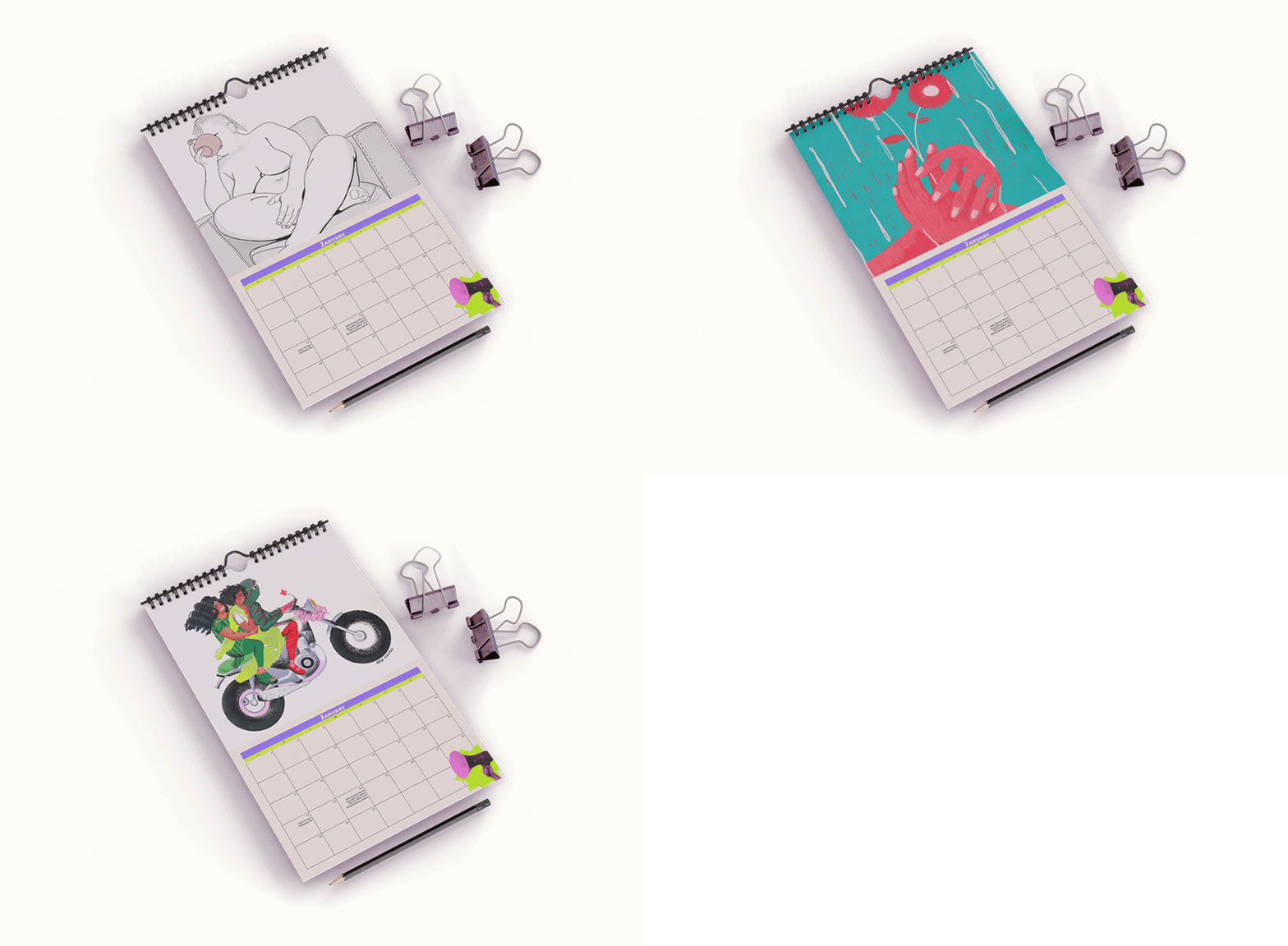
The 2023 Feminist Calendar is our gift to movements. It features the artwork of some of our amazing AWID members.
Get it in your preferred language! |
Select image quality |
| English | Print Quality | Digital Version |
| Français | Print Quality | Digital Version |
| Español | Print Quality | Digital Version |
| Português | Print Quality | Digital Version |
| عربي | Print Quality | Digital Version |
| Русский | Print Quality | Digital Version |
When our embodied labor becomes profit in the hands of the systems we seek to dismantle, it is no wonder that our sexualities and pleasures are once again relegated to the sidelines – especially when they are not profitable enough. In many instances during the production of this issue, we asked ourselves what would happen if we refused to accommodate the essential services of capitalism.
Thanks to our global feminist community! From May to August 2024, nearly 1,200 organizations working for Women's rights, gender justice, and LBTQI+ equality shared their experiences in the WITM survey. The results offer a unique picture of how feminist movements are resourced and where gaps remain.