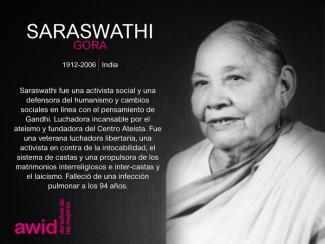
Saraswathi Gora
WHRDs are self-identified women and lesbian, bisexual, transgender, queer and intersex (LBTQI) people and others who defend rights and are subject to gender-specific risks and threats due to their human rights work and/or as a direct consequence of their gender identity or sexual orientation.
WHRDs are subject to systematic violence and discrimination due to their identities and unyielding struggles for rights, equality and justice.
The WHRD Program collaborates with international and regional partners as well as the AWID membership to raise awareness about these risks and threats, advocate for feminist and holistic measures of protection and safety, and actively promote a culture of self-care and collective well being in our movements.
WHRDs are exposed to the same types of risks that all other defenders who defend human rights, communities, and the environment face. However, they are also exposed to gender-based violence and gender-specific risks because they challenge existing gender norms within their communities and societies.
We work collaboratively with international and regional networks and our membership
We aim to contribute to a safer world for WHRDs, their families and communities. We believe that action for rights and justice should not put WHRDs at risk; it should be appreciated and celebrated.
Promoting collaboration and coordination among human rights and women’s rights organizations at the international level to strengthen responses concerning safety and wellbeing of WHRDs.
Supporting regional networks of WHRDs and their organizations, such as the Mesoamerican Initiative for WHRDs and the WHRD Middle East and North Africa Coalition, in promoting and strengthening collective action for protection - emphasizing the establishment of solidarity and protection networks, the promotion of self-care, and advocacy and mobilization for the safety of WHRDs;
Increasing the visibility and recognition of WHRDs and their struggles, as well as the risks that they encounter by documenting the attacks that they face, and researching, producing, and disseminating information on their struggles, strategies, and challenges:
Mobilizing urgent responses of international solidarity for WHRDs at risk through our international and regional networks, and our active membership.
¡Sí! Por favor lee la Convocatoria de Actividades y presenta tu propuesta aquí. La fecha límite es el 1ero de febrero de 2024.
While fundamentalisms, fascisms and other systems of oppression shapeshift and find new tactics and strategies to consolidate power and influence, feminist movements continue to persevere and celebrate gains nationally and in regional and international spaces.
We know feminists still need and deserve more and better resources! We have revised our funder database.
The Who Can Fund Me? Database is an easy-to-use, practical tool for movements looking for funders from philanthropic foundations, multilateral funders to women’s and feminist funds to support vital lifesaving efforts.
Notre objectif est de recueillir 2 000 réponses à l’enquête, soit près du double de la dernière enquête WITM de 2011.
Non, il n'est pas nécessaire d'être membre de l'AWID pour y participer, mais les membres de l'AWID bénéficient d'une réduction sur les frais d'inscription ainsi que d'un certain nombre d'autres avantages.
Una colección viva de recursos para apoyar a los movimientos feministas, a personas que diseñan políticas y a aliadxs que resisten a las tendencias fascistas, fundamentalistas y anti-derechos.
Le Forum a été un espace clé pour le Mouvement des femmes autochtones (Indigenous Women’s Movement, IWM) dans son rapport au féminisme. Aux Forums de l’AWID, elles ont appliqué la même stratégie que celle utilisée pour les Nations Unies. Au cours de ce processus, les deux mouvements ont été transformés : de nouvelles voix et questions ont émergé au sein de l’IWM, et les féministes ont commencé à changer leurs discours et leurs pratiques autour des droits fonciers et de la spiritualité, elles ont mieux compris les droits collectifs et ont inclus l’IWM dans leurs événements et leurs programmes. Mónica Alemán et María Manuela Sequeira, de l’IWM, nous ont raconté cette histoire.
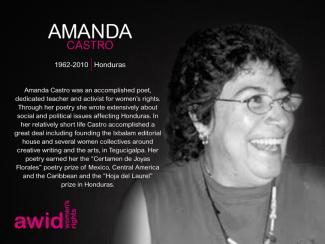
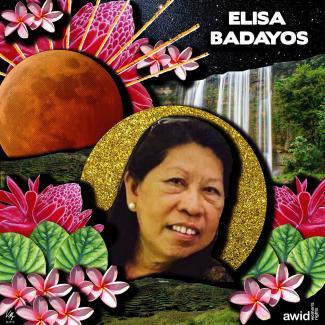
También era organizadora de comunidades urbanas empobrecidas de la Provincia de Cebú, y trabajaba con Desaparecidos, una organización de familiares de personas desaparecidas.
Elisa y dos de sus colegas fueron asesinadxs el 28 de noviembre de 2017 por dos hombres no identificados en Barangay San Ramón, en la ciudad de Bayawan de la Provincia de Negros Oriental, durante una misión que investigaba presuntas violaciones de derechos territoriales en la zona.
La sobreviven cuatro hijxs.
Основываясь на 20-летней истории привлечения более объемного и качественного финансирования для достижения социальных изменений под руководством феминисток(-ов), AWID приглашает вас принять участие в новом опросе:
(далее – «Где деньги?»)
Пожалуйста выберите язык, на котором вы хотите отвечать на вопросы в правом верхнем углу страницыWe are in communication with regional, thematic and funder convenings planned for 2023-2024, to ensure flow of conversations and connections. If you are organizing an event and would like to make a connection to the AWID Forum, please get in touch with us!
Vous souhaitez vous rassembler pour renforcer les résistances ? Cette méthodologie de formation propose des exercices de groupes qui renforcent les connaissances et le pouvoir du collectif, avec des adaptations pour répondre à vos besoins.
Les agradecemos su interés por visitar el sitio web de AWID. Para obtener más información sobre nuestro trabajo, visiten https://www.awid.org/es