Philippe Leroyer | Flickr (CC BY-NC-ND 2.0)

Special Focus

AWID is an international, feminist, membership organisation committed to achieving gender equality, sustainable development and women’s human rights

Women Human Rights Defenders

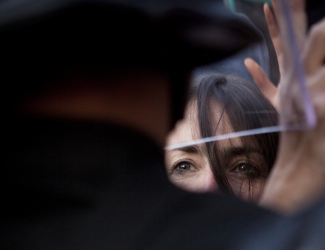
WHRDs are self-identified women and lesbian, bisexual, transgender, queer and intersex (LBTQI) people and others who defend rights and are subject to gender-specific risks and threats due to their human rights work and/or as a direct consequence of their gender identity or sexual orientation.

WHRDs are subject to systematic violence and discrimination due to their identities and unyielding struggles for rights, equality and justice.

The WHRD Program collaborates with international and regional partners as well as the AWID membership to raise awareness about these risks and threats, advocate for feminist and holistic measures of protection and safety, and actively promote a culture of self-care and collective well being in our movements.


Risks and threats targeting WHRDs  

WHRDs are exposed to the same types of risks that all other defenders who defend human rights, communities, and the environment face. However, they are also exposed to gender-based violence and gender-specific risks because they challenge existing gender norms within their communities and societies.

By defending rights, WHRDs are at risk of:

  • Physical assault and death
  • Intimidation and harassment, including in online spaces
  • Judicial harassment and criminalization
  • Burnout

A collaborative, holistic approach to safety

We work collaboratively with international and regional networks and our membership

  • to raise awareness about human rights abuses and violations against WHRDs and the systemic violence and discrimination they experience
  • to strengthen protection mechanisms and ensure more effective and timely responses to WHRDs at risk

We work to promote a holistic approach to protection which includes:

  • emphasizing the importance of self-care and collective well being, and recognizing that what care and wellbeing mean may differ across cultures
  • documenting the violations targeting WHRDs using a feminist intersectional perspective;
  • promoting the social recognition and celebration of the work and resilience of WHRDs ; and
  • building civic spaces that are conducive to dismantling structural inequalities without restrictions or obstacles

Our Actions

We aim to contribute to a safer world for WHRDs, their families and communities. We believe that action for rights and justice should not put WHRDs at risk; it should be appreciated and celebrated.

  • Promoting collaboration and coordination among human rights and women’s rights organizations at the international level to  strengthen  responses concerning safety and wellbeing of WHRDs.

  • Supporting regional networks of WHRDs and their organizations, such as the Mesoamerican Initiative for WHRDs and the WHRD Middle East and North Africa  Coalition, in promoting and strengthening collective action for protection - emphasizing the establishment of solidarity and protection networks, the promotion of self-care, and advocacy and mobilization for the safety of WHRDs;

  • Increasing the visibility and recognition of  WHRDs and their struggles, as well as the risks that they encounter by documenting the attacks that they face, and researching, producing, and disseminating information on their struggles, strategies, and challenges:

  • Mobilizing urgent responses of international solidarity for WHRDs at risk through our international and regional networks, and our active membership.

Related Content

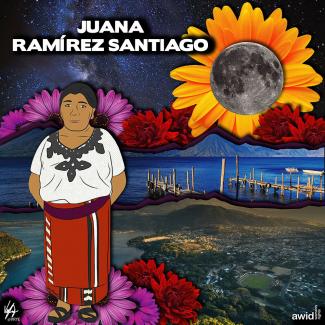
Juana Ramírez Santiago

Juana was one of the founders and current Board Member of Red de Mujeres Ixiles de Nebaj, an Indigenous women’s rights organization that is a member of the Mesoamerican Initiative of WHRDs (IM-Defensoras).

She was also a midwife and a mother of 7 children. Juana had received death threats that were reported to the Prosecutor’s office. Juana is the third Indigenous WHRD murdered in the area during 2018. The Guatemala Ombudsman reports that a total of 20 HRDs were killed in the country this year. 

Juana Ramírez Santiago was shot dead by unidentified attackers while crossing a bridge in Nebak, Quiché, Guatemala. Investigations to identify the perpetrators are ongoing.


Juana Ramírez Santiago, Guatemala

Snippet FEA ASOM Challenges Story 1 (FR)

DÉFIS

  • Changement climatique
  • Accès aux crédits
  • Intermédiaires

Respondi ao inquérito, mas mudei de ideias e quero que a nossa resposta seja eliminada. Como devo proceder?

Tem o direito de eliminar a sua resposta, por qualquer motivo e se assim o desejar. Queira entrar em contacto connosco através deste formulário, ao indicar "WITM Survey" ("Inquérito WITM") no título da sua mensagem, e iremos proceder à eliminação da sua resposta.

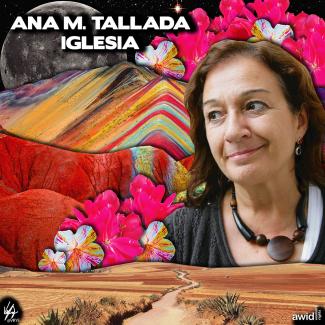
Ana M. Tallada Iglesia

Ana fue una firme defensora de los derechos de las mujeres y trabajó con una amplia diversidad de mujeres, desde aquellas que están redes de base hasta las que son parte del sector privado.

Creía que había que tender puentes entre sectores. Ana fue integrante de la Red Nacional de Promoción de la Mujer (RNPM), y tuvo participación activa en el desarrollo de muchos programas sociales que abordan temas como la salud y los derechos sexuales y reproductivos.


Ana M. Tallada Iglesia, Peru

Snippet FEA Metizneres (EN)

Metzineres

When walking in the heart of the Raval district of Barcelona, you might come across Metzineres, a feminist cooperative by and for womxn2 who use drugs surviving multiple situations of vulnerability.

Imagine a place free of stigma, where womxn can be safe. A safe place that provides shelter, support and accompaniment for womxn whose rights are systematically violated by the war on drugs and those who experience violence, discrimination and repression as a result.

Right outside the entrance, passers by and visitors are greeted with a massive chalkboard that outlines tips, tricks, wishes and drawings by drug users. There is also a calendar that boasts a range of activities self-organized by the Metzineres community. Whether it’s hairdressing and cosmetics workshops, radio shows, theater, communal meals offered to the community, or self-defense classes - there is always something going on.

The cooperative provides safe consumption sites as well as utilities that cover people’s basic needs. There are beds, storage spaces, showers, toilets, washing machines and a small outdoor terrace where people can chill or have a goat gardening.

Metzineres operates within a harm reduction framework, which attempts to reduce the negative consequences of using drugs. But harm reduction is so much more than a set of practices: it is a politics anchored in social justice, dignity and rights for people who use drugs.

2 Womxn is a term used by the collective to describe cis and trans women as well as non-binary people

هل يمكنني مشاركة الاستطلاع مع الآخرين/ الأخريات؟

نعم! الرجاء القيام بذلك! نشجعكم/ن على مشاركة رابط الاستطلاع في شبكاتكم/ن. سيسمح لنا جمع وجهات النظر أكثر تنوعاً، فهم البيئة التمويلية للحركات النسوية بشكل أكبر.

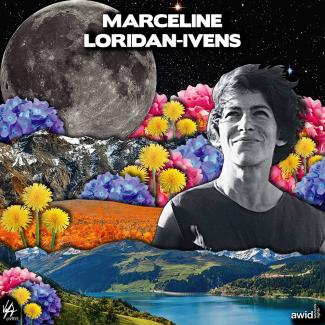
Marceline Loridan-Ivens

Née en 1928, Marceline était actrice, scénariste et réalisatrice.

En 2003, elle avait réalisé « La petite prairie aux bouleaux », mettant en vedette Anouk Aimée, ainsi que plusieurs autres documentaires. Survivante de l'holocauste, elle n'avait que quinze ans lorsque son père et elle furent arrêtés et envoyés dans des camps de concentration nazis. Les trois kilomètres qui la séparaient de son père à Auschwitz alors qu’elle-même était à Birkenau furent une distance insurmontable, décrite dans l’un de ses romans majeurs « Et tu n’es pas revenu ».

En parlant de son travail, elle a un jour déclaré: « Tout ce que je peux dire c’est que tout ce que je peux écrire, tout ce que je peux dévoiler, c’est à moi de le faire. »


Marceline Loridan-Ivens, France

Snippet FEA Care as the foundation (ES)

El cuidado como base de las economías

La pandemia de COVID-19 puso de relieve la crisis mundial de los cuidados y demostró los fracasos del modelo económico dominante que está destruyendo servicios públicos esenciales, infraestructuras sociales y sistemas de atención en todo el mundo.

Cozinha Ocupação 9 Julho, Asociación de Mujeres Afrodescendientes del Norte del Cauca (ASOM) y Metzineres son solo algunos ejemplos de economías de cuidado que centran las necesidades de las personas marginalizadas y la Naturaleza, así como el trabajo de cuidados, el trabajo reproductivo, invisibilizado y no remunerado necesario para garantizar la sostenibilidad de nuestras vidas, nuestras sociedades y nuestros ecosistemas.

Membership why page - Loyiso Lindani

J’ai l’intime conviction que des femmes puissantes peuvent donner à d’autres femmes la possibilité d’être puissantes, c’est pourquoi je suis ravie d’être membre de l’AWID. La visibilité que j’ai reçue en faisant partie de la Street Team de la communauté AWID a élargi mes connaissances et ma façon d’envisager le Féminisme et l’intersectionnalité. J’espère que davantage de femmes se joindront à nous et porteront des thématiques et des idées qui aideront d’autres femmes. .- Loyiso Lindani, Afrique du Sud.

Dilma Ferreira Silva

Dilma Ferreira Silva était une activiste de premier plan des droits amazoniens qui s’est battue durant plusieurs décennies pour les droits des personnes affectées par les barrages.

Elle faisait elle-même partie des 32 000 personnes déplacées par Tucuruí, un imposant barrage hydroélectrique, construit au Brésil sous la dictature militaire de 1964-1985. 

En 2005, Dilma a été invitée à rejoindre le Mouvement des personnes affectées par les barrages (MAB) au Brésil et, en 2006, elle y a formé un collectif de femmes pour finir ensuite par devenir coordonatrice régionale du mouvement.

Évoquant son activisme, ses collègues racontent :

« Elle se distinguait très rapidement car elle n’avait jamais peur dans la lutte. » 

Dilma vivait dans la localité rurale de Salvador Allenda, à 50 kilomètres de Tucuru. Elle a dédié sa vie à mieux protéger les communautés et les territoires affectés par la construction d’énormes projets. Elle était particulièrement préoccupée par l’impact de genre de ce type de projets et plaidait pour les droits des femmes.

Lors d’une réunion d’ordre national du MAB en 2011, Dilma évoqua les femmes affectées par les barrages, soulignant :

« Nous sommes les réelles Marias, guerrières, combattantes ici, nous nous confrontons au défi de la lutte quotidienne. »    

Au cours des années suivantes, Dilma a organisé des groupes de terrain du MAB et travaillé avec les communautés pour former des coopératives paysannes qui permirent de mieux distribuer la nourriture au sein des communautés. Ensemble, elles ont amélioré la commercialisation de la pêche et développé un projet de citerne pour un accès à l’eau potable. Elle défendait aussi les agriculteurs·rices dont les terres étaient convoitées par les « grileiros » (personnes qui s’approprient les terres).

Le 22 mars 2019, à l’âge de 48 ans, Dilma, son mari et leur ami·e furent violemment assassiné·e·s. Ces trois meurtres s’inscrivirent dans une vague de violences en Amazonie contre les Movimento dos Trabalhadores Sem (mouvements des travailleurs·ses sans terre) et les activistes écologistes et autochtones.
    

Snippets FEA EoS The Cover (ES)

Illustration of a pink house with a yellow background

La Cubierta
Cuidados y sanación

Snippet - Blog post Quote_ES

"Creemos que este es el momento para continuar organizándonos desde la solidaridad, la esperanza y la imaginación radical."

- Beijing+30 & CSW: La construcción de significados feministas en tiempos de policrisis

Lee el artículo aquí

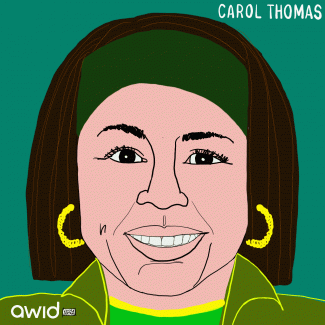
Carol Thomas

Carol Thomas was a trailblazer for women’s sexual and reproductive rights in South Africa. A gifted gynecologist and founder of the WomenSpace, she practiced and advocated for non-traditional ways of delivering healthcare to women, offering services that were high quality, empathetic and accessible.

“She entered into not only the joy of pregnancies and new babies, but the anxieties of infertility and premature deliveries and female cancers, the heartbreak of miscarriages and stillbirths.” Helen Moffett

Carol thought in new paradigms that centered the needs of women with the least access to services and rights in society:

“The prevailing socio-economic environment that we find ourselves in means that women bear a disproportionate burden of disease and unemployment…As a black, previously disadvantaged woman I have a good sense of what is happening in our communities.” - Carol Thomas

Carol’s innovative and multi-award-winning social venture “iMobiMaMa” used mobile kiosks and interactive technology to connect women directly with antenatal and reproductive health services, information and support in communities all over South Africa.

Carol supported women both in wanted and unwanted pregnancies, mentoring many nurses and doctors during her lifetime.

She was also described as the go-to gynecologist “for trans folks who could have affirming care. She got it right when so many did not have the language or pronouns. Her warm blankets, listening and saying just what you needed to hear was so comforting.” -Marion Lynn Stevens

Carol Thomas was described as being at the height of her professional career when she died on 12 April 2019 of complications following a double lung transplant.

The tributes that poured in following her unexpected death referred to her as many things:

“a role model, warrior woman, innovator, dynamic leader, mould-breaker, dynamo, brilliant scientist, compassionate doctor.”

Undoubtedly, Carol Thomas will be remembered and honored for being all of this and much more.

Snippet FEA EoS Artisana (FR)

A pink paint palette with a pink brush with yellow details

L’Artisan·e
Art et créativité

Snippet - CSW69 - OURs & friends - ES

OURs y amistades en el Espacio de Solidaridad Feminista

✉️ Solo con invitación

📅 Martes 11 de marzo de 2025
🕒 De 02:00 a 04:00 p.m., EST

🏢 Chef's Kitchen Loft with Terrace, 216 East 45th St 13th Floor New York

Organiza: Consorcio Observatorio sobre la Universalidad de los Derechos (OURS)