
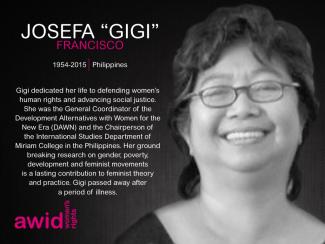
Josefa "Gigi" Francisco
Over the past few years, a troubling new trend at the international human rights level is being observed, where discourses on ‘protecting the family’ are being employed to defend violations committed against family members, to bolster and justify impunity, and to restrict equal rights within and to family life.
The campaign to "Protect the Family" is driven by ultra-conservative efforts to impose "traditional" and patriarchal interpretations of the family, and to move rights out of the hands of family members and into the institution of ‘the family’.
Since 2014, a group of states have been operating as a bloc in human rights spaces under the name “Group of Friends of the Family”, and resolutions on “Protection of the Family” have been successfully passed every year since 2014.
This agenda has spread beyond the Human Rights Council. We have seen regressive language on “the family” being introduced at the Commission on the Status of Women, and attempts made to introduce it in negotiations on the Sustainable Development Goals.
AWID works with partners and allies to jointly resist “Protection of the Family” and other regressive agendas, and to uphold the universality of human rights.
In response to the increased influence of regressive actors in human rights spaces, AWID joined allies to form the Observatory on the Universality of Rights (OURs). OURs is a collaborative project that monitors, analyzes, and shares information on anti-rights initiatives like “Protection of the Family”.
Rights at Risk, the first OURs report, charts a map of the actors making up the global anti-rights lobby, identifies their key discourses and strategies, and the effect they are having on our human rights.
The report outlines “Protection of the Family” as an agenda that has fostered collaboration across a broad range of regressive actors at the UN. It describes it as: “a strategic framework that houses “multiple patriarchal and anti-rights positions, where the framework, in turn, aims to justify and institutionalize these positions.”
Dear Feminist Movements,
On behalf of the AWID Board of Directors, I am proud to introduce AWID’s next Co-Executive Directors: Faye Macheke and Inna Michaeli!
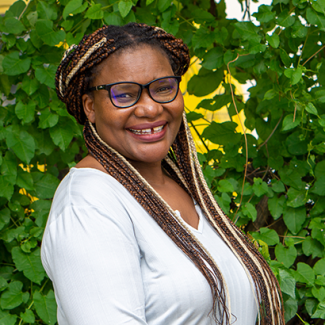 |
Faye Macheke is a passionate Pan-African feminist, active in movements for women's rights, racial justice, migrant and labor rights, and environmental justice. Her activism builds on the legacy of the struggle against apartheid in South Africa and the aftermath of the apartheid era in Zimbabwe. In 2019, Faye joined AWID as the Director of Finance, Operations and Development. She brings extensive experience in feminist leadership, strategy, and all aspects of organisational development. Faye is a committed Board Member of UAF-Africa and other women's rights organizations. She is based in Cape Town, South Africa. |
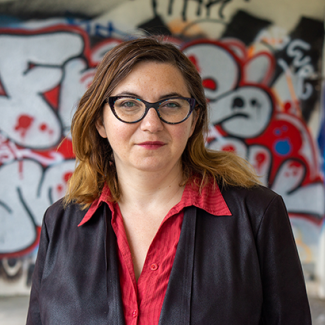 |
Inna Michaeli is a feminist lesbian queer activist and sociologist with many years of deep engagement in feminist and LGBTQI+ struggles, political education and organizing by and for migrant women, and Palestine liberation and solidarity. Inna joined AWID in 2016 and served in different roles, most recently as the Director of Programs. She brings extensive experience in research and knowledge building, policy advocacy and organizational development. Inna serves on the Board of the Jewish Voice for Peace - Germany. She is based in Berlin, Germany. |
This decision is the result of a rigorous process with full participation of the Board and the staff of AWID. The Board recognised and honoured the skills and talents of AWID staff by opening an internal hiring search. As a result, we had two brilliant candidates, who embody the integrity, ethic of care, and feminist intersectional values that drive AWID’s work, apply together as a team. Faye and Inna brought forward a brave and exciting vision to meet the challenges of this moment: building a global feminist community, resisting and disrupting systems of oppression, and supporting feminist movements to thrive.
As AWID celebrates 40 years we are excited for Inna and Faye to co-lead AWID into our next strategy and a new phase of evolving, pushing boundaries, and supporting feminist movements worldwide.
Appointing and supporting AWID’s Co-Executive Directors to lead the organisation is a fiduciary responsibility we take seriously as a Board. How we engage those processes is also a reflection of AWID’s brilliant and diverse membership, which elects AWID’s Board.
As we say good-bye to Cindy and Hakima, we, the Board, unanimously and enthusiastically welcome Faye and Inna as our next Co-EDs as of September 5, 2022. Stay tuned for more updates about our leadership transition in the months ahead.
Most of all, thank you for your ongoing support!
In feminist solidarity and love,
Margo Okazawa-Rey
President, AWID Board
Activists reflection & solidarity circle
✉️ By registration only. Register here
📅 Friday, March 14, 2025
🕒 12.00-2.00pm EST
🏢 Blue Gallery, The Blue Building, 222 East 46th Street
🎙️Facilitated by: Gopika Bashi, AWID Director of Programs
Organizer: Count Me In! Consortium
Lo personal es político, y la apasionada y valiente Nadyn Jouny personificó este mantra feminista. Nadyn experimentó de primera mano el dolor de la violencia estructural de los sistemas legales que despojan a las mujeres de sus derechos.
Cuando Nadyn decidió solicitar el divorcio, los tribunales religiosos chiítas, bajo las Leyes de Estatuto Personal Libanesas, le negaron la custodia de su joven hijo Karam. Nadyn, como tantas otras mujeres del Líbano y de otros países, se vio atrapada entre el dolor imposible de dejar una relación no deseada y abusiva y de perder a la vez los derechos sobre su hijo. Sin embargo, Nadyn se defendió, y lo habría de hacerlo hasta el último día.
Nadyn utilizó su habilidad con los medios de comunicación para convertirse en una voz franca a favor de las mujeres que luchan contra la discriminación en la legislación familiar, en el Líbano y a nivel internacional. Nadyn cofundó el grupo autofinanciado "Protecting Lebanese Women" [Protegiendo a las Mujeres Libanesas] (PLW, por sus siglas en inglés) y se unió a muchas otras madres libanesas que se enfrentaban a problemas similares de custodia. Juntas, trabajaron para crear conciencia sobre las injusticias extremas a las que se enfrentaban, a nivel nacional, protestaron ante los tribunales religiosos por sus derechos y, a nivel internacional, llamaron la atención de los medios de comunicación.
Nadyn también trabajó con ABAAD - Resource Center for Gender Equality [Centro de Recursos para la Igualdad de Género], otra organización por los derechos de las mujeres en el Líbano, para realizar campañas en favor de los derechos de las mujeres, la igualdad en la legislación familiar y relativa a las custodias y contra los matrimonios forzados y precoces.
Para muchxs de sus colegas, Nadyn llegó a "simbolizar la lucha de una madre libanesa contra la supresión y la misoginia de todo tipo" (en inglés), al utilizar "su experiencia personal y trayectoria individual de empoderamiento, dio a otras mujeres esperanza para que ellas también pudieran ser un catalizador para el cambio positivo" - ABAAD - Centro de Recursos para la Igualdad entre los Géneros, Líbano.
El 6 de octubre de 2019, Nadyn murió trágicamente en un accidente de automóvil cuando se dirigía a protestar por los injustos aumentos de impuestos en un país que ya se enfrentaba a una espiral de crisis financiera. Nadyn Jouny tenía solo 29 años en el momento de su muerte.
Todos nuestros procesos de cambio se basan en las relaciones que construimos en espacios como los Foros de AWID donde se baila juntxs, tu humor se trasluce, tu yo real, cuentas historias... eso es lo que hace la diferencia.
- Nicky Mcintyre, Estados Unidos
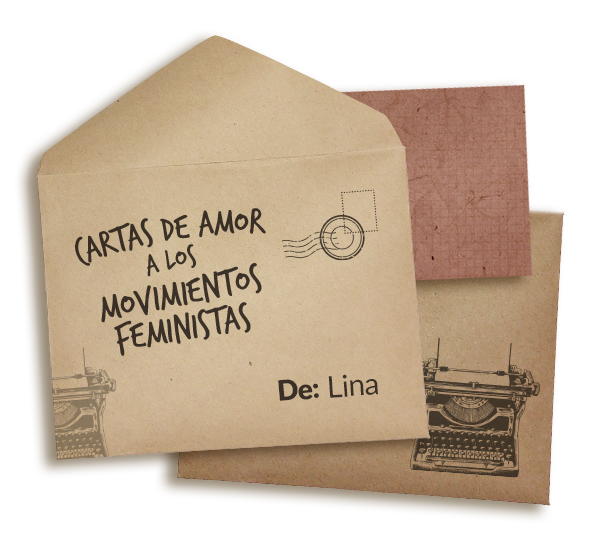
La integro desde que tengo uso de razón. De jovencita, no sabía que existía una palabra — «feminista» — para nosotrxs, quienes aspiramos a superar y desmantelar el patriarcado; quienes buscamos refugio en los brazos de la inclusión y la interseccionalidad; quienes tratamos a las personas como iguales independientemente de su género, raza, sexualidad, religión y etnia; quienes estamos continuamente aprendiendo a obrar mejor, a ser mejores y a usar nuestros privilegios para que otras personas mejoren.
Cuando tenía 14 años, mi profesor de francés de la escuela secundaria, un hombre de 1,80 metros de altura y 30 años de edad, agredió a una alumna de mi clase delante de todxs nosotrxs. La alumna, que era amiga mía desde la infancia, y varias chicas más fuimos a la dirección para denunciarlo, madres y padres se involucraron y toda la clase, treinta alumnxs, expresó su apoyo a la chica. Pero todos nuestros intentos para que el profesor rindiera cuentas por lo que había hecho fracasaron: la administración ocultóó la denunciaa y el profesor nunca fue despedido ni perseguido. Mis compañeras y yo estábamos indignadas, así que hicimos lo que toda joven feminista furiosa haría: LE TIRAMOS HUEVOS A SU AUTO. Si bien los huevos se lavaron con facilidad, costó más sacar la pintura que usamos para escribir las palabras «Cerdo» y «Khamaj» (basura). Nunca olvidaré cómo nos hizo sentir eso: liberadas, enfurecidas, felices, muy unidas y con poder. La misma emoción se repite en todos los ámbitos feministas en los que he estado desde entonces. La feminista adolescente que hay en mí creció y participó en Women Deliver, AWID, Unootha, facilitó talleres feministas en la universidad, e incluso fue perseguida por su filiación feminista a los 19 años, pero esa es otra historia para otra carta.
Los movimientos y espacios feministas me brindan seguridad y empoderamiento. Son las madres que hubiéramos deseado tener y los vínculos que necesitábamos para conectarnos y organizarnos, a pesar de nuestras diferencias, contra un enemigo común, el patriarcado, que nos ha estado perjudicando a todxs. Con ustedes aprendí a ser resiliente y a reunir mis fuerzas y habilidades para estimular a otras personas, para sacar a la luz la situación de las personas marginadas, y dar voz a quienes no la tienen.
Lo que más me gusta de ustedes, movimientos feministas, es que a veces hacen mal las cosas, desprecian y también marginan, tienen prejuicios como cualquier otro movimiento, pero lo que los diferencia es que siempre se esfuerzan por ser mejores. La rendición de cuentas no es algo a lo que le teman, y son un colectivo en constante cambio que refleja cómo el altruismo y la filantropía que se proponen lograr la equidad de género también cambian con el paso del tiempo.
Que crezcan siempre, que obren mejor, que siempre se enfurezcan, que siempre rujan, que siempre amen, que siempre hablen distintas lenguas y que siempre sientan su poder.
Amor, luz y rabia,
Lina
Une enquête personnelle sur la vie mystérieuse de la tante de la réalisatrice Sally, une aristocrate éthiopienne devenue rebelle communiste qui a disparu après la révolution conduisant au renversement de l'empereur Haile Selassie.
23 juin à 12 h 30 EST sur IG en direct

Filter for funders that support initiatives in your geographical area.
Doris Valenzuela Angulo était une activiste sociale, leader et défenseure des droits humains afrodescendante de Buenaventura, en Colombie. Elle faisait partie du réseau national Comunidades Construyendo Paz en Colombia (CONPAZ, Communautés construisant la paix en Colombie) composé d’organisations présentes dans les communautés affectées par le conflit armé œuvrant en faveur de la non-violence et la justice socio-environnementale.
Doris s’opposait à la violence paramilitaire continue, aux pressions incessantes des mégaprojets cherchant à déplacer sa communauté, et à la complicité de l’État. Confrontée à l’un des contextes les plus difficiles de son pays, elle joua un rôle de premier plan dans l’initiative de résistance non-violente sans précédent Espacio Humanitario Puente Nayero, un lieu urbain conçu pour assurer la cohésion communautaire, la sécurité, la créativité et l’action collective.
Ce combat non-violent unique en son genre des familles de l’Espacio Humanitario Puente Nayero attira l’attention et le soutien des agences tant locales qu’internationales. En septembre 2014, la Commission interaméricaine des droits de l’Homme accorda des mesures de protection préventives à la communauté, ordonnant au gouvernement colombien d’adopter des mesures nécessaires en vue de protéger la vie et l’intégrité physique des habitant·e·s. Les menaces et la violence des paramilitaires se poursuivirent néanmoins. Malgré l’assassinat de son fils Cristian Dainer Aragón Valenzuela en juillet 2015,Doris continua à mettre toute son énergie à éviter le recrutement forcé des enfants et des jeunes par les néo-militaires. Elle devint alors également une cible, recevant constamment des menaces pour son activisme et le travail qu’elle accomplissait.
Les incessantes agressions et menaces de mort dont elle était l’objet forcèrent Doris à quitter la Colombie. Elle vécut en Espagne de février 2017 à février 2018, dans le cadre du programme de protection temporaire d’Amnesty International pour les défenseur·e·s des droits humains en danger.
Doris a été assassinée en avril 2018 à Murcie, en Espagne, par son ex-compagnon. Elle n’avait que 39 ans.
« Doris, cette année passée avec toi nous a montré combien une personne peut avoir la capacité de transformer et créer de l’espoir en dépit des événements profondément négatifs et dévastateurs qui jalonnent sa vie... Nous poursuivons notre engagement à défendre tous les droits humains. Ton courage et ta lumière nous guideront toujours. » - Montserrat Román, Amnesty International, Groupe de La Palma, Espagne
« ... Tu le savais. Tu l’as toujours su. Et malgré tout cela, tu as résisté sans faillir à tant d’injustice, de misère, de persécution. Tu t’es élevée, fière et acharnée, contre ceux qui continuaient à vouloir que tu abandonnes tout espoir, que tu t’abaisses, que tu te rendes. Debout, tu as réclamé haut et fort ta liberté et la nôtre, qui était la tienne. Rien ni personne n’est parvenu à paralyser tes efforts pour changer le monde et le rendre plus généreux et plus vivable. Tu vis parmi nous, aujourd’hui plus vivante que jamais malgré la mort. Tu vis encore par tes actes, par ton courage, par ta grandeur lorsque tu pleurais pour cette terre promise que tu invoquais à chacun de tes cris, pour tous ces déserts que tu as habités. Toi. Toujours en vie. Doris Valenzuela Angulo.
Ce ne sont que des mots. Je sais. Je le sais, moi aussi. Mais les mots nous unissent, nous protègent, nous donnent la force et le soutien nécessaires pour continuer à aller vers la lumière que tu défendais tant... »
Chaque Forum de l’AWID se déroule dans une région différente, et il était temps de retourner en Asie ! Nous avons visité de nombreux pays de la région, consulté des mouvements féministes et procédé à des évaluations détaillées de la logistique, de l'accessibilité, de la sécurité, des visas et bien d’autres choses encore. Finalement, le conseil d'administration de l'AWID a approuvé à l’unanimité Bangkok, en Thaïlande, comme étant la meilleure option. Nous sommes ravi·e·s de retrouver Bangkok, où le Forum de l’AWID avait déjà eu lieu en 2005.
Hello again, and again, and again. I have known and loved you my entire adult life, since I first met you meaningfully, after graduating from university. I’d seen you one time before then. That was you appearing as Betty Friedan on a local TV talk show in the US Midwest, in the late-1960s. At the time, Mrs. Wells, my other mother, and I commented on what wild, far-fetched ideas this woman was trying to convince us about. Decade after decade since then I have fallen more deeply in love with you, Beloved, and understand and witness your political and theoretical brilliance, ethical and moral authority, creativity, joy, and love, above all. Nearly 60 years later, I know we are partners forever.

The early years of our acquaintanceship was ok. I was quite self-involved--figuring racial, gender, and sexual identity; getting clear on my core politics, values, and ethics; completing my formal education--and you provided numerous settings, intellectual drop-in centers, and comforting holding environments where and through which I was able to craft the young-adult building blocks of the feminist and human being whom I would become.
The predominantly white women’s movement of Cambridge and Boston, including Daughters of Bilitis, was my starting place. That suited me at the time but soon realized I desired something more. Poof! Like magic (serendipity), I connected with a small group of radical, anti-imperialist, Black, socialist lesbian women and we soon became the Combahee River Collective.
That early Combahee experience, combined with critical life lessons and particular African-American/Korean immigrant racial politics of early-1990s in the US, prepared me for the journey that has led me to identify and work as a transnational feminist to address militarism and to dedicate myself to imagining other worlds where all living beings will thrive.
The next two critical women’s-movement moments were decades after Combahee years but deeply linked. First was meeting and being invited into the Korean feminist movement organizing against US military bases and supporting the “kijichon women” the Korean women whose lives, including for some, their mixed-race children, revolved around servicing US military personnel in numerous ways in villages and towns adjacent to the bases. Korean Beloved Feminists, especially Kim Yon-Ja and Ahn Il-Soon, the first sisters I met and traveled with, made me see and understand the critical importance of nation as an analytical and organizing principle. The “capstone” was living, working in occupied Palestine. The late Maha Abu-Dayyeh introduced me to the Palestinian women’s movement, with a profound comment, “you can leave Palestine but Palestine will never leave you.” So true. And, all my work and experiences across many borders brought me to AWID--my second home.
As you know, Beloved, being with you has not been easy or simple. Indeed, you are demanding, consistently riddled with contradictions, and sometimes even hurtful. Nonetheless, you continue to grow and develop, as you are supporting my political, emotional, and spiritual growth and development. I guess we are growing each other--a very profound process to which I will dedicate the rest of my time in my current form.
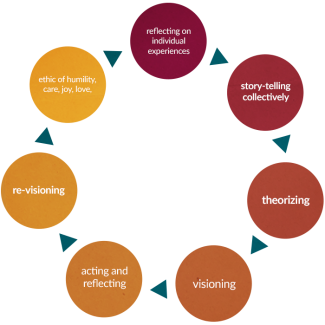
The through-line of being with you all these decades is this:
Feminists Collectively Engaging the Heads, Hearts, Hands, and Spirits to transform our worlds
So much love, Feminist Movements!
Your Margo
AKA DJ MOR Love and Joy
Wellfleet Massachusetts USA
Actualmente, una compleja red de actores anti-derechos, en constante evolución, está ejerciendo cada vez más influencia tanto en los espacios internacionales y regionales, como en las políticas nacionales. Los actores anti-derechos están ingresando en los espacios multilaterales (donde múltiples países se reúnen para la colaboración internacional), con el fin de transformarlos y socavarlos desde adentro. Emplean una variedad de discursos persuasivos para ganar legitimidad, a menudo cooptando el lenguaje de los derechos y la justicia para ocultar sus verdaderas agendas.
Este informe es el segundo de una serie de reportes sobre las tendencias en derechos humanos, producido por el Observatorio de la Universalidad de los Derechos (OURs, por sus siglas en inglés). Además del análisis sobre actores anti-derechos clave y sus discursos, estrategias e impactos, el informe presenta breves narrativas inspiradoras de acción feminista y ejercicios de construcción de conocimiento para ayudar a fortalecer nuestra resistencia colectiva.
El efecto sobre nuestros derechos ya ha sido grave, pero esto no ha terminado todavía. Todxs podemos hacer nuestra parte para resistir las agendas anti-derechos y reclamar nuestros derechos.
¡Únete hoy mismo al llamado a la acción colectiva!
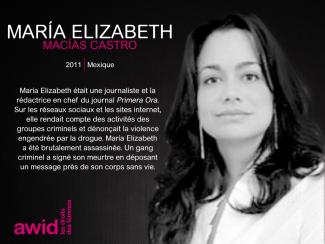
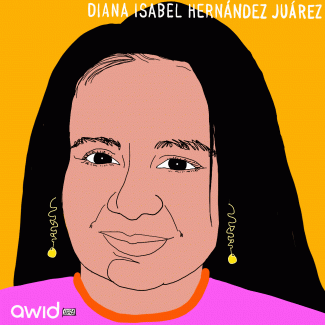
Diana Isabel Hernández Juárez was a Guatemalan teacher, human rights defender and environmental and community activist. She was the coordinator of the environmental program at Our Lady of Guadalupe Parish on the South coast of the country.
Diana dedicated her life to co-creating environmental awareness, working especially closely with local communities to address environmental issues and protect natural resources. She initiated projects such as forest nurseries, municipal farms, family gardens and clean-up campaigns. She was active in reforestation programmes, trying to recover native species and address water shortages, in more than 32 rural communities.
On 7 September 2019, Diana was shot and killed by two unknown gunmen while she was participating in a procession in her hometown. Diana was only 35 years old at the time of her death.