Philippe Leroyer | Flickr (CC BY-NC-ND 2.0)

Women Human Rights Defenders

WHRDs are self-identified women and lesbian, bisexual, transgender, queer and intersex (LBTQI) people and others who defend rights and are subject to gender-specific risks and threats due to their human rights work and/or as a direct consequence of their gender identity or sexual orientation.

WHRDs are subject to systematic violence and discrimination due to their identities and unyielding struggles for rights, equality and justice.

The WHRD Program collaborates with international and regional partners as well as the AWID membership to raise awareness about these risks and threats, advocate for feminist and holistic measures of protection and safety, and actively promote a culture of self-care and collective well being in our movements.


Risks and threats targeting WHRDs  

WHRDs are exposed to the same types of risks that all other defenders who defend human rights, communities, and the environment face. However, they are also exposed to gender-based violence and gender-specific risks because they challenge existing gender norms within their communities and societies.

By defending rights, WHRDs are at risk of:

  • Physical assault and death
  • Intimidation and harassment, including in online spaces
  • Judicial harassment and criminalization
  • Burnout

A collaborative, holistic approach to safety

We work collaboratively with international and regional networks and our membership

  • to raise awareness about human rights abuses and violations against WHRDs and the systemic violence and discrimination they experience
  • to strengthen protection mechanisms and ensure more effective and timely responses to WHRDs at risk

We work to promote a holistic approach to protection which includes:

  • emphasizing the importance of self-care and collective well being, and recognizing that what care and wellbeing mean may differ across cultures
  • documenting the violations targeting WHRDs using a feminist intersectional perspective;
  • promoting the social recognition and celebration of the work and resilience of WHRDs ; and
  • building civic spaces that are conducive to dismantling structural inequalities without restrictions or obstacles

Our Actions

We aim to contribute to a safer world for WHRDs, their families and communities. We believe that action for rights and justice should not put WHRDs at risk; it should be appreciated and celebrated.

  • Promoting collaboration and coordination among human rights and women’s rights organizations at the international level to  strengthen  responses concerning safety and wellbeing of WHRDs.

  • Supporting regional networks of WHRDs and their organizations, such as the Mesoamerican Initiative for WHRDs and the WHRD Middle East and North Africa  Coalition, in promoting and strengthening collective action for protection - emphasizing the establishment of solidarity and protection networks, the promotion of self-care, and advocacy and mobilization for the safety of WHRDs;

  • Increasing the visibility and recognition of  WHRDs and their struggles, as well as the risks that they encounter by documenting the attacks that they face, and researching, producing, and disseminating information on their struggles, strategies, and challenges:

  • Mobilizing urgent responses of international solidarity for WHRDs at risk through our international and regional networks, and our active membership.

Related Content

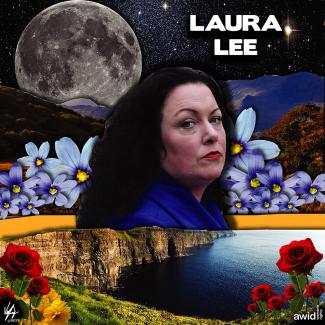
Laura Lee

Laura était une activiste et une avocate de premier plan qui a mené une campagne courageuse en faveur de la dépénalisation du travail du sexe en Irlande.

On se souvient d'elle comme « une combattante de la liberté pour les travailleurs et les travailleuses du sexe, une féministe, une mère pour certainEs et une amie nécessaire pour beaucoup ».

Laura militait pour que les personnes de l'industrie du sexe soient reconnu-e-s comme des travailleurs et travailleuses sujets de droits. Elle a activement milité en faveur de la dépénalisation, notamment en engageant une procédure judiciaire devant la haute cour de Belfast qui concernent des dispositions criminalisant l’achat de services sexuels. Laura a déclaré que son intention était de porter l'affaire devant la Cour européenne des droits de l'homme.


Laura Lee, Ireland

Snippet FEA Exclusion and Stigma (FR)

Une illustration d'un mégaphone en bleu marine. Des lignes représentant des ondes sonores sortent de l'extrémité du haut-parleur, en bordeaux.

L'EXCLUSION, LA STIGMATISATION ET LES ABUS INSTITUTIONNELS
auxquels les personnes trans et les travestis continuent de faire face au quotidien

Community knowledge to build just futures

Context

Today, many community knowledge systems are at risk.

Fast-paced economic, political, and cultural changes are bulldozing environments, practices and livelihoods. Various forms of knowledge are being erased from practice, commodified and colonized in the massive swallow of globalisation and in the promise of short-term gains or band aid solutions.

Definition

Buen Vivir, a concept adapted from Andean Indigenous peoples’ knowledges, is described as the collective achievement of a life in fulfillment, based
on harmonic and balanced relations among human beings and all living beings, in reciprocity and complementarity. It means acknowledging that human beings are a part
of nature, we depend on nature and are inter-dependent among ourselves.

Inherent in Buen Vivir is a vision that integrates production and reproduction as inseparable processes of the economy, of wealth production and living conditions.

Feminist perspective

In this sense, a broad understanding of Buen vivir from a feminist lens values relationships and resources mobilized in production and reproduction cycles—favouring equilibrium of not just the market kind—to guarantee continuity and changes as long as they are compatible with economic justice and life sustainability.

From a feminist perspective there have also been criticisms of the binary conceptions of gender and complementary of men and women. Binary conceptions leave little space for a deeper discussion on heteropatriarchy and non-conforming gender relationships.

Nevertheless, one of the main contributions of centralizing the principle of Buen Vivir to political, economic and social frameworks, is that equality is no longer the paradigm of individual rights, but the transformation of society as a whole.


Learn more about this proposition:
Part of our series of


  Feminist Propositions for a Just Economy

Snippet - WITM Why now_col 2 - AR

توفير الموارد للحركات النسوية هو أمر أساسي لتوفير حاضر أكثر سلماً وعدالة ومستقبل أكثر تحرراً.
في العقد الأخير، خصّص الممولون/ات أموال أكبر للمساواة الجندرية، لكن فقط 1% من التمويل الخيري والتنموي تحرك بشكل مباشر لتمويل حركات التغيير الاجتماعي بقيادة نسوية.

كي نسعى إلى الوفرة، والخروج من هذه الندرة المزمنة، يدعو استطلاع "أين المال" المناصرات/ين النسويات/ين ومناصرات/ين العدالة الجندرية بمشاركتنا في مشوار جمع الإفادات وبناء القضايا لحشد أموال أكثر وأفضل كي نغيرّ موازين القوى في المناخ التمويلي القائم اليوم. يتضامن استطلاع "أين المال" مع الحركات التي يستمر إخفاءها وتهميشها والتي لا يتاح لها تمويلا أساسيا، مرن وطويل الأمد مبن على الثقة. ويسلّط استطلاع "أين المال؟" الضوء على وضع التمويل، يتحدّى الحلول الزائفة ويُظهر كيف تحتاج نماذج التمويل أن تتغير كي تزدهر الحركات وتتعامل مع تحديات الزمن المركبة.

Main image
FFC - Banners.png
Body

The Feminist Film Club

As part of AWID’s Feminist Realities journey, we invite you to explore our newly launched Feminist Film Club: a collection of short and feature films selected by feminist curators and storytellers from around the world, including Jess X. Snow (Asia/Pacific), Gabrielle Tesfaye (Africa/African Diaspora), and Esra Ozban (South West Asia, North Africa). Alejandra Laprea is curating the Latin & Central American program, which we’ll launch in September during AWID’s Crear, Résister, Transform: A Festival for Feminist Movements. In the meantime, look out for announcements on special films screenings and conversations with filmmakers!

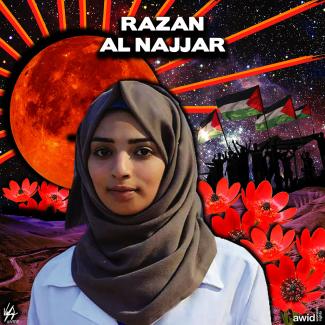
Razan Al-Najjar

Razan was a 21-year-old volunteer medic in Palestine.

She was shot as she ran toward a fortified border fence, in an effort to reach a casualty in the east of the south Gaza city of Khan Younis.

In her very last Facebook post, Razan said: “I am returning and not retreating,” adding: “Hit me with your bullets. I am not afraid.”


Razan Al-Najjar, Palestine

Snippet FEA The fight for a world full of workplaces (EN)

The fight for a world full of workplaces that are free from of all forms of discrimination, stigma and exclusion is  a worthy one. A world in which sex work is decriminalized and recognized as work is part of this.

A world where all workers have safe working conditions, dignified wages, and can enjoy the same rights like health care, pension pay, sick days, holidays, job security and more, no matter their gender, race, ethnicity, age or ability. Labor rights are feminist issues, and feminist unions play a key role in advancing the legal, labor and economic rights of all workers, especially migrant workers, domestic workers, informal workers and sex workers. These are folks who have most recently been disproportionately affected by the pandemic, its burdens of care, lockdowns, curfews and increased policing. Let us introduce you to the stories of feminists and union organizers that are fighting for better working conditions and better worlds for all.

Feminist Alternatives Project

As feminists many of us feel frustrated as we lurch from one political ‘moment’ to another; our work constrained by the parameters of organisational mandates, funding trends or political agendas, our time spent arguing over the need for gender analysis rather than building alliances for change.


The Gender & Development Network’s project on Feminist Alternatives provides space to consider what is important, to listen deeply to others and to accept challenges to our assumptions. Transformative progress towards feminist societies requires fundamental change that is context-specific, recognising intersectionality, the multiplicity of feminism, and the pivotal role of women’s collective action.

Rather than attempt to write a single paper, we have therefore produced a collection of thought pieces from academics, activists and practitioners around the world – not to suggest that we have the answers, but rather to encourage and provoke debate with the hope that more articles can be added in the future.

We are delighted to link our collection to AWID’s Feminist Propositions for a Just Economy.

Find out more about the Feminist Alternative project

Snippet - WITM RESOURCES - PT

Recursos

(Disponível em inglês)

Body

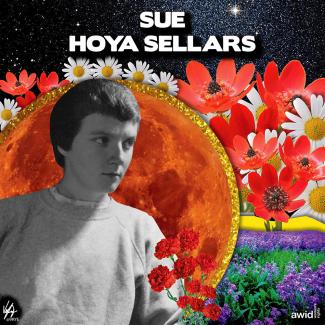
Sue Hoya Sellars

Sue fue artista, activista y maestra y nació en 1936 en Maryland, Estados Unidos.

Creó arte para mujeres y sobre mujeres. Como lesbiana feminista, y durante un tiempo también separatista, se dedicó a la creación de espacios sólo para mujeres. En 1976 compró tierras que todavía son conservadas por mujeres que van temporariamente a hacer arte. Sue mantuvo una apasionada posición en la protección de las mujeres y las niñas.

Con su innovador enfoque futurista, clásico y antropológico, llenaba cada habitación en la que entraba con su intelecto, su excentricidad auténtica, su ingenio implacable y su humor. Sus ideas acerca de la conciencia y la creatividad siguen inspirando a mucha gente.


Sue Hoya Sellars, USA

Snippet FEA Georgia's minimum wage (ES)

El salario mínimo de Georgia se encuentra en un porcentaje inferior al de todos los países del mundo. Esta realidad afecta mayoritariamente a las mujeres.

El país no solo tiene una brecha salarial de género significativa, sino que las mujeres también trabajan más horas y más horas no reguladas antes de irse a casa para ocuparse de las tareas domésticas y de sus familias. No hay licencia por maternidad, no hay aumentos de salario por horas extras, no hay seguro de desempleo, y no hay licencias por enfermedad u otra protección social. Presionados por organizaciones occidentales, los partidos políticos oligárquicos georgianos han estado implementando reformas que están destruyendo el estado de bienestar, aumentando las medidas de austeridad y empeorando la explotación de lxs trabajadorxs, todo para los beneficios de grandes corporaciones que aplauden al país por su "facilidad para hacer negocios". Los medios de comunicación, cooptados por intereses privados y corporativos, están sesgados sobre estos temas o los silencian. La organización sindical sigue siendo una de las pocas opciones para luchar por los derechos humanos básicos y para hacer que el Estado y las empresas rindan cuentas ante las violaciones y persecuciones diarias y generalizadas contra lxs trabajadorxs, especialmente contra las mujeres.

Fuentes: Minimum-Wage y entrevista con Sopo Japaridze en Democracia Abierta

Actores principales de la oposición

Estamos presenciando un nivel de participación sin precedentes de actores anti-derechos en los espacios internacionales de derechos humanos. Para reforzar su impacto y amplificar sus voces, estxs actores se dedican cada vez más a la construcción de alianzas tácticas que atraviesan sectores, fronteras regionales y nacionales y credos religiosos.


Esta «alianza non-santa» conformada por actores conservadores de tradición religiosa católica, evangélica, mormona, ortodoxa rusa y musulmana, ha encontrado una causa común en una serie de discursos compartidos y acciones de incidencia que intentan hacer retroceder los logros de lxs feministas y del movimiento de derechos sexuales a nivel internacional.

Santa Sede

  • Actividades principales: La «Santa Sede», como gobierno de la iglesia católica romana, utiliza su condición singular de estado Observador Permanente en la ONU para ejercer presión a favor de nociones conservadoras, patriarcales y heteronormativas de la feminidad, las identidades de género o «la familia» y para difundir políticas contra el aborto y la anticoncepción.

  • Sede: Ciudad del Vaticano, Roma, Italia.

  • Afiliación religiosa: Católica

  • Conexiones con otrxs actores anti- derechos: grupos de la derecha cristiana estadounidenses; alianzas ortodoxas interreligiosas; organizaciones de la sociedad civil (OSC) católicas

Organization of Islamic Cooperation [Organización para la Cooperación Islámica, OIC]

  • Actividades principales: Se describe a sí misma como la «voz colectiva del mundo musulmán» y actúa como un bloque de estados en los escenarios de la ONU. La OIC intenta crear lagunas en la protección de los derechos humanos a partir de referencias a la religión, la cultura o la soberanía nacional. También propaga el concepto de «familia tradicional», y contribuye a un régimen de derechos humanos paralelo pero restrictivo (ver como ejemplos la Declaración de los Derechos Humanos en el Islam o la Declaración de El Cairo de 1990).

  • Sede: Yeda, Arabia Saudita

  • Afiliación religiosa: Musulmana

  • Conexiones con otrxs actores anti-derechos: Representaciones de estados ultra conservadores (como Rusia) ante la ONU.

World Congress of Families [Congreso Mundial de las Familias]

  • Actividades principales: Conferencias internacionales y regionales; investigación, producción y difusión de conocimiento; cabildeo en las Naciones Unidas «para defender la vida, la fe y la familia»

  • Sede: Rockford, Illinois, Estados Unidos

  • Afiliación religiosa: Predominantemente católica y cristiana evangélica

  • Conexiones con otrxs actores anti-derechos: Sutherland Institute, un grupo de expertxs conservador; Iglesia de los Santos de los Últimos Días; Departamento para la Familia y la Vida de la iglesia ortodoxa rusa; Sacerdotes por la Vida (anti-abortistas); Foundation for African Culture and Heritage [Fundación para la Cultura y el Patrimonio Africano]; Polish Federation of Pro-Life Movements [Federación Polaca de Movimientos Pro-vida]; European Federation of Catholic Family Associations [Federación Europea de Asociaciones de Familias Católicas]; Comité de las organizaciones no gubernamentales sobre la familia ante Naciones Unidas; Red Política por los Valores; Georgian Demographic Society [Sociedad Demográfica Georgiana]; parlamentarioxs de Polonia, Moldavia y otros países; FamilyPolicy [Instituto de Políticas de la Familia]; Russian Institute for Strategic Studies [Instituto Ruso de Estudios Estratégicos]; Hatze Oír y C-Fam; entre otrxs.

Center for Family and Human Rights [Centro para la familia y los derechos humanos, C-Fam]

  • Actividades principales: Cabildeo en las Naciones Unidas, en particular ante la Comisión de la Condición Jurídica y Social de las Mujeres, para «defender la vida y la familia»; difusión de información en medios (boletín Friday Fax); construcción de movimientos; formación para activistas conservadorxs.

  • Sede: Nueva York y Washington D.C., Estados Unidos

  • Afiliación religiosa: Católica

  • Conexiones con otrxs actores anti-derechos: International Youth Coalition [Coalición Internacional de Jóvenes]; Alianza Mundial de la Juventud; Human Life Internacional [Vida Humana internacional]; Santa Sede; Sociedad Civil para la Familia (la coordina); Family Research Council (Estados Unidos) [Comité de investigación sobre la familia] y otras OSC cristianas/católicas anti-derechos; delegación de los Estados Unidos ante la CSW.

Family Watch International [Observatorio Internacional de la Familia]

  • Actividades principales: Cabildeo en favor de políticas por «la familia», anti-LGBTQ y anti-ESI  (educación sexual integral) en escenarios internacionales de derechos humanos; capacitación para sociedad civil y representantes de Estados (por ejemplo, una guía de recursos sobre lenguaje consensuado de las Naciones Unidas en torno a la familia); difusión de información; producción y análisis de conocimiento; campañas en línea.

  • Sede: Gilbert, Arizona, Estados Unidos.

  • Afiliación religiosa: Mormón

  • Conexiones con otrxs actores anti-derechos: líder del UN Family Rights Caucus [Grupo de incidencia por los derechos de la familia ante la ONU]; C - Fam; Jews Offering New Alternatives to Homosexuality [Judíos ofreciendo nuevas alternativas a la homosexualidad, JONAH]; National Association for Research and Therapy of Homosexuality [Asociación Nacional de Investigación y Terapia de la Homosexualidad, NARTH]; Congreso Mundial de las Familias; CitizenGo; Magdalen Institute [Instituto Magdalena]; Asociación La Familia Importa; Group of Friends of the Family [Grupo de Amigos de la Familia], que es un bloque de 25 Estados.

Alianza Mundial de la Juventud

  • Actividades principales: Incidencia en espacios políticos internacionales, entre ellos Naciones Unidas, la Unión Europea y la Organización de Estados Americanos por «la familia», y contra los derechos sexuales y los derechos reproductivos; capacitación a sus jóvenes integrantes en el uso de la diplomacia y la negociación, relaciones internacionales, actividades de grupos de base y creación de mensajes; programa de pasantías para fomentar la participación de lxs jóvenes en su trabajo; Emerging Leaders Conference [Conferencia de Líderes Emergentes] que tiene lugar en forma regular; producción y difusión de conocimiento.

  • Sede: Nueva York (Estados Unidos) y oficinas regionales en Nairobi (Kenia), Quezon City (Filipinas), Bruselas (Bélgica), Ciudad de México (México) y Beirut (Líbano).

  • Afiliaciones religiosas: Principalmente católica pero tiene como objetivo lograr una membresía pluriconfesional.

  • Conexiones con otrxs actores anti-derechos: C-Fam; Vida Humana Internacional; Santa Sede; Campaign Life coalition [Coalición Campaña por la Vida].

Iglesia ortodoxa rusa

  • Actividades principales: La iglesia ortodoxa rusa, capitalizando sus estrechos vínculos con el Estado ruso, ha actuado como un agente promotor de cambios en las normas en debates internacionales sobre derechos humanos. Rusia y su iglesia ortodoxa han cooptado el lenguaje de los derechos para poner el acento en la «moralidad» y en los «valores tradicionales» como supuestas fuentes principales de los derechos humanos. Rusia lideró una serie de resoluciones sobre «valores tradicionales» ante el Consejo de Derechos Humanos y es la primera en presentar enmiendas hostiles a las resoluciones progresistas en áreas como la mortalidad materna, la protección del espacio para la sociedad civil y el derecho a la protesta pacífica.
  • Conexiones con otrxs actores anti-derechos: Organización para la Cooperación Islámica; iglesias ortodoxas de Europa oriental y del Cáucaso, por ejemplo la iglesia ortodoxa georgiana; derecha cristiana de los Estados Unidos incluyendo a los grupos evangélicos; Congreso Mundial de las Familias; Grupo de Amigos de la Familia (bloque de Estados).

Descargar capítulo


Otros capítulos


Наша группа, организация и/или движение не зарегистрированы – можем ли мы принять участие в опросе?

Безусловно, мы хотим услышать ваше мнение и о вашем опыте привлечения ресурсов.

Body

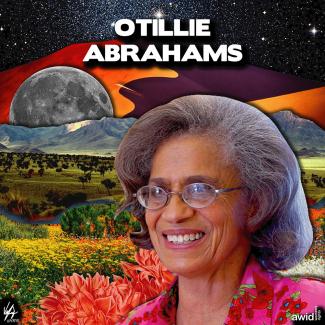
Ottilie Abrahams

Ottilie était une militante féministe, éducatrice et politicienne namibienne.

Elle était l'une des fondatrices de l'Organisation populaire du Sud-Ouest africain (SWAPO), du Yu Chi Chan Club (groupe révolutionnaire armé) et du Front de libération nationale du Sud-Ouest africain (SWANLIF). Ottilie a également été une des fondatrices de la Namibian Women’s Association et du Girl Child Project. Tout au long de sa vie, Ottilie a plaidé en faveur du droit de discuter, de penser, de contester et de réclamer. Elle a mobilisé des femmes, organisé des assemblées d’étudiants et d’enseignants et critiqué d'autres camarades pour leur élitisme et leur corruption.

Ottilie a œuvré sans relâche pour démanteler le patriarcat et faire émerger une démocratie participative, féministe, libératrice et transformatrice.

Ottilie disait souvent : « Je me reposerai quand je serai morte. »


Ottilie Abrahams, Namibia