Alberta "Betty" Cariño
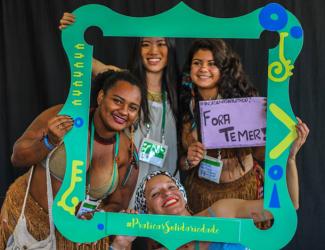
Young feminist activists play a critical role in women’s rights organizations and movements worldwide by bringing up new issues that feminists face today. Their strength, creativity and adaptability are vital to the sustainability of feminist organizing.
At the same time, they face specific impediments to their activism such as limited access to funding and support, lack of capacity-building opportunities, and a significant increase of attacks on young women human rights defenders. This creates a lack of visibility that makes more difficult their inclusion and effective participation within women’s rights movements.
AWID’s young feminist activism program was created to make sure the voices of young women are heard and reflected in feminist discourse. We want to ensure that young feminists have better access to funding, capacity-building opportunities and international processes. In addition to supporting young feminists directly, we are also working with women’s rights activists of all ages on practical models and strategies for effective multigenerational organizing.
We want young feminist activists to play a role in decision-making affecting their rights by:
Fostering community and sharing information through the Young Feminist Wire. Recognizing the importance of online media for the work of young feminists, our team launched the Young Feminist Wire in May 2010 to share information, build capacity through online webinars and e-discussions, and encourage community building.
Researching and building knowledge on young feminist activism, to increase the visibility and impact of young feminist activism within and across women’s rights movements and other key actors such as donors.
Promoting more effective multigenerational organizing, exploring better ways to work together.
Supporting young feminists to engage in global development processes such as those within the United Nations
Collaboration across all of AWID’s priority areas, including the Forum, to ensure young feminists’ key contributions, perspectives, needs and activism are reflected in debates, policies and programs affecting them.
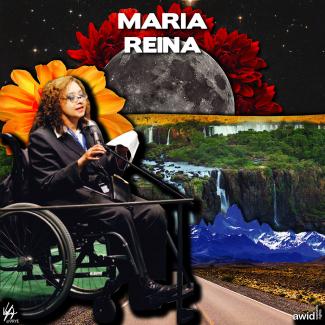
She represented the International Disability and Development Consortium during the negotiation of the United Nations Convention on the Rights of Persons with Disabilities (2001-2006).
Her work was devoted to the implementation of the goal of the Convention - realization of universal human rights by, for and with persons with disabilities for an inclusive, accessible and sustainable world.
In her words, her leadership was about “...serving the disability community, starting with small tasks that others may not wish to do”.
She passed away on October 27, 2017 in her hometown of Rosario, Argentina.
Read more about María Verónica Reina in her own words
Le processus de l’Organisation des Nations Unies (ONU) sur le financement du développement (FdD) vise à traiter différentes formes de financement du développement et de coopération pour le développement. Selon le Consensus de Monterrey, ce processus comporte six axes clés :
À l’AWID, nous concevons ces réalités féministes comme les exemples vivants des mondes que nous savons possibles. Nous concevons ces diverses réalités féministes comme des revendications et des incarnations d’espoir et de pouvoir. Elles sont ancrées dans les multiples manières de vivre, de penser et de faire autrement, que ce soit au niveau des expressions quotidiennes de nos modes de vie ou nos manières d'être en relations les un.e.s avec les autres ou au niveau de systèmes alternatifs de gouvernance et de justice.
Les Réalités féministes combattent les systèmes de pouvoir dominants tels que le patriarcat, le capitalisme et la suprématie blanche.
Télécharger le magazine complet (PDF)


Para recolher testemunhos centrados na realidade feminista sobre como o dinheiro circula e os bolsos em que entra;
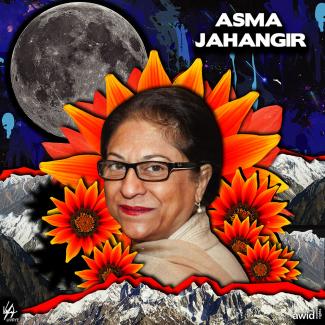
Asma fue una destacada activista pakistaní por los derechos humanos, valiente crítica de la interferencia de los militares en la política, y firme defensora del estado de derecho.
Fue la fundadora y presidenta de la Human Rights Commission of Pakistan [Comisión de Derechos Humanos de Pakistán, un grupo independiente], y una de las administradoras del International Crisis Group. Obtuvo premios internacionales, y fue Relatora Especial de Naciones Unidas sobre derechos humanos y ejecuciones extrajudiciales.
Es recordada con afecto por sus colegas y amigxs de AWID
«Con su vida, Asma reescribió la historia que a muchas nos contaron, como mujeres. Asma cambió el mundo. Lo cambió en Pakistán, y lo cambió en nuestras imaginaciones.»
L'appel à propositions est maintenant fermé.
Nous avons lancé un Appel à activités le 19 novembre 2019 et la date limite de réception des propositions était le14 février 2020.
Trouvez d'autres moyens de vous engager sur le chemin du Forum
The Nadia Echazú Textile Cooperative carries the name of a pioneer in the struggle for trans rights in Argentina. In many ways, the work of the cooperative celebrates her life and legacy.
Nadia Echazú had a remarkable activist trajectory: she was one of the co-founders of "El Teje", the first trans newspaper in Latin America, alongside Lohana Berkins, Diana Sacayán and Marlene Wayar. Nadia was part of the Argentinian Association of Travestis, Transexual and Transgender people (Asociación de Travestis y Transexuales de Argentina, ATTA) and founded The Organization of Travestis and Transgender People of Argentina (Organización de Travestis y Transexuales de Argentina, OTTRA).
Shortly after her death, her fellow activists founded the cooperative in her name, to honor the deep mark she left on trans and travesti activism in Argentina.
 توفير الموارد للحركات النسوية هو أمر أساسي لتوفير حاضر أكثر سلماً وعدالة ومستقبل أكثر تحرراً.
في العقد الأخير، خصّص الممولون/ات أموال أكبر للمساواة الجندرية، لكن فقط 1% من التمويل الخيري والتنموي تحرك بشكل مباشر لتمويل حركات التغيير الاجتماعي بقيادة نسوية.
كي نسعى إلى الوفرة، والخروج من هذه الندرة المزمنة، يدعو استطلاع "أين المال" المناصرات/ين النسويات/ين ومناصرات/ين العدالة الجندرية بمشاركتنا في مشوار جمع الإفادات وبناء القضايا لحشد أموال أكثر وأفضل كي نغيرّ موازين القوى في المناخ التمويلي القائم اليوم. يتضامن استطلاع "أين المال" مع الحركات التي يستمر إخفاءها وتهميشها والتي لا يتاح لها تمويلا أساسيا، مرن وطويل الأمد مبن على الثقة. ويسلّط استطلاع "أين المال؟" الضوء على وضع التمويل، يتحدّى الحلول الزائفة ويُظهر كيف تحتاج نماذج التمويل أن تتغير كي تزدهر الحركات وتتعامل مع تحديات الزمن المركبة.
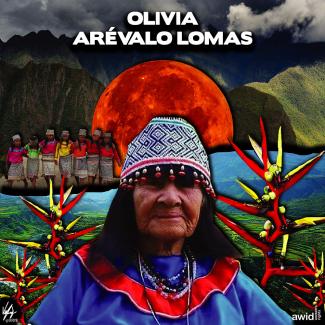
Olivia était la cheffe spirituelle des peuples autochtones Shipibo Konibo.
Sage femme et grand-mère autochtone, elle était connue pour sa préservation de la médecine traditionnelle et des chants sacrés de son peuple (les íkaros). Olivia Arévalo était une défenseure engagée en faveur des droits culturels et environnementaux de son peuple. L’assassinat d’Olivia s’est produit dans un contexte de conflit territorial entre la communauté Shipibo et les entreprises qui souhaitent s’accaparer leurs terres pour cultiver de l’huile de palme.
Les membres de sa communauté ont déclaré: « Sa mort est une agression contre toute la communauté Shipibo. Elle était la mémoire vivante de son peuple ».
Nous vous fournirons cette information sous peu. Restez à l’écoute !
Sindicato Red de Solidaridad
(Disponível em inglês)
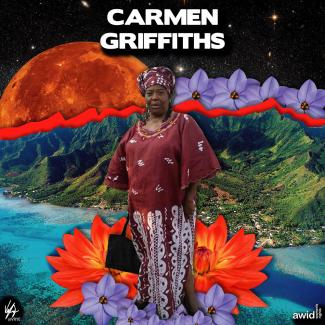
Carmen was the Head of the Construction Resource and Development Collective (CRDC) and was instrumental in supporting women’s involvement in the construction industry in Jamaica.
She also worked on issues of disaster preparedness for rural and urban women. She worked closely with women (especially single mothers) teaching them how to use hurricane straps and other technology to secure their homes. She worked in the area of water and sanitation and was a strong advocate for sustainable environmental management and development.
She was a part of the Huairou Commission and advocated for grassroots women on such issues as shelter, energy, and sustainable livelihoods.
Non, vous n’avez pas besoin d’être membre de l’AWID pour participer, mais les membres de l’AWID bénéficient d’une réduction sur les frais d’inscription ainsi qu’un certain nombre d’autres avantages.
Apprenez-en davantage sur la façon de devenir membre de l’AWID